Updated November 13, 2026
MiniMax H3-Image edit test: 48 photos against Nano Banana 2.1 and GPT Image 2.6
Quick answer
MiniMax H3-Image, an open-weight image model released on November 10, 2026, handled most of our 48 photo edits about as well as Nano Banana 2.1 and GPT Image 2.6, at about half Nano Banana 2.1's cost at 2K: $0.026 to $0.034 per 2K edit and about $0.074 at 4K through fal.ai. Faces were its weak spot: it turned a man's brown eyes blue and made a woman in an ID photo look older. It rewrites every edit prompt before it draws, and once that rewrite called a teal label black. A 2K edit took a median of 24 seconds and a 4K one 29 to 39 seconds, against MiniMax's claim of 4K in under 10.
What MiniMax H3-Image is
- Released
- MiniMax published the weights and API on November 10, 2026, and its announcement post on November 11. It is built on MiniMax's H3 video model.
- Open weights
- A 33.1-billion-parameter diffusion transformer on Hugging Face (MiniMaxAI/MiniMax-H3-Image), distilled to 6 sampling steps with no classifier-free guidance, so negative prompts are not supported.
- What it does
- Text-to-image and image editing in one model, with up to 16 reference images per edit. Output runs from about 0.66 to 20 megapixels, at aspect ratios from 1:3 to 3:1; 4K means about 16 megapixels, such as 4096 × 4096.
- What it can't do
- No masked edits (MiniMax's API returns an error if you send a mask) and no transparent backgrounds.
- Prompt rewriting
- Every edit prompt is expanded by MiniMax before the image is generated, and this can't be turned off for edits. The API returns the rewritten prompt, so you can read what the model was actually told.
- License
- The MiniMax-H3-Image Community License excludes the European Union, the United Kingdom, South Korea and the United States, and asks for written permission above $1 million in annual revenue or to offer the model as a hosted service. Products built on it must display "MiniMax-H3-Image". Using MiniMax's API or a host such as fal.ai is covered by that service's own terms instead.
- Where to run it
- MiniMax's API (MiniMax-H3-Image and a Highspeed version), MiniMax's Hailuo AI app, and fal.ai, which is what we used.
Cost and speed, measured
Cost per edit with one source photo, from our own runs. H3-Image ran through fal.ai on November 13, 2026; Nano Banana 2.1 through Google's API on October 9; GPT Image 2.6 through fal.ai on November 6. H3-Image times run from sending the request to having the file, including fal's queue.
| Model | Output | Cost per edit | Time per edit |
|---|---|---|---|
| MiniMax H3-Image | 1K, 1024 × 1024 | $0.026 | 23 s (2 runs) |
| MiniMax H3-Image | 2K, 2048 × 2048 or 1760 × 2368 | $0.026–$0.034 | 19–40 s, median 24 s |
| MiniMax H3-Image | 4K, 4096 × 4096 or 3552 × 4752 | $0.073–$0.075 | 29–39 s |
| Nano Banana 2.1 | 2K, 2400 × 1792 | $0.057 | about 29 s |
| Nano Banana 2.1 | 4K, 4800 × 3584 | $0.121 | about 44 s |
| GPT Image 2.6, medium | 2K, about 4.2 MP | $0.075 | not timed |
| GPT Image 2.6, medium | 4K, about 8.3 MP | $0.119 | not timed |
Asking for 1K saves nothing. Output is billed at about one token per 1,024 pixels (4,096 tokens for 2048 × 2048), but a 1024 × 1024 output was billed 4,096 tokens too, so a 1K edit costs the same as a 2K one and just has fewer pixels.
Part of what you pay for is the rewrite. Our prompts had a median length of 257 characters; the rewritten prompts that came back had a median of about 1,380, describing every object and saying which ones stay unchanged. In the 12 runs where we kept the full token counts, the text side came to 3,188 to 4,466 input tokens, 28% to 35% of the cost of the edit.
How we tested
We took the 48 prompts in YepShot's Explore library and ran each one on MiniMax H3-Image on November 13, 2026, through fal.ai's edit endpoint (minimax/h3-image/edit), from the same source photo and with the prompt word for word. Size was fal's default, auto, which keeps the photo's aspect ratio within a 2048 × 2048 area. We then ran 6 of the prompts again at about 16 megapixels. The Nano Banana 2.1 results are from October 10 (October 14 for the three text prompts) and the GPT Image 2.6 results from November 6, both at 1K; the full method for those is on the GPT Image 2.6 comparison. H3-Image has no mask input, so for the 8 prompts that edit a brushed area we sent the mask as an extra image with an instruction to edit only inside it, the same way we did for the other two models. Each model ran once per prompt, so treat any single difference as an example rather than a benchmark. Costs come from the token counts fal returned, multiplied by fal's published prices; they leave out MiniMax's launch-week 4K discount.
None of H3-Image's 48 results printed a real brand name, so unlike the GPT Image 2.6 comparison, no image on this page has been altered.
Where H3-Image differed
Most of the 48 sets are close: white backgrounds, lifestyle scenes, seasonal sets, glare and barcode removal, recoloring, colorizing and style changes all came out well on all three. These are the ones where H3-Image did something different, for better or worse.
Original

Nano Banana 2.1

GPT Image 2.6

MiniMax H3-Image
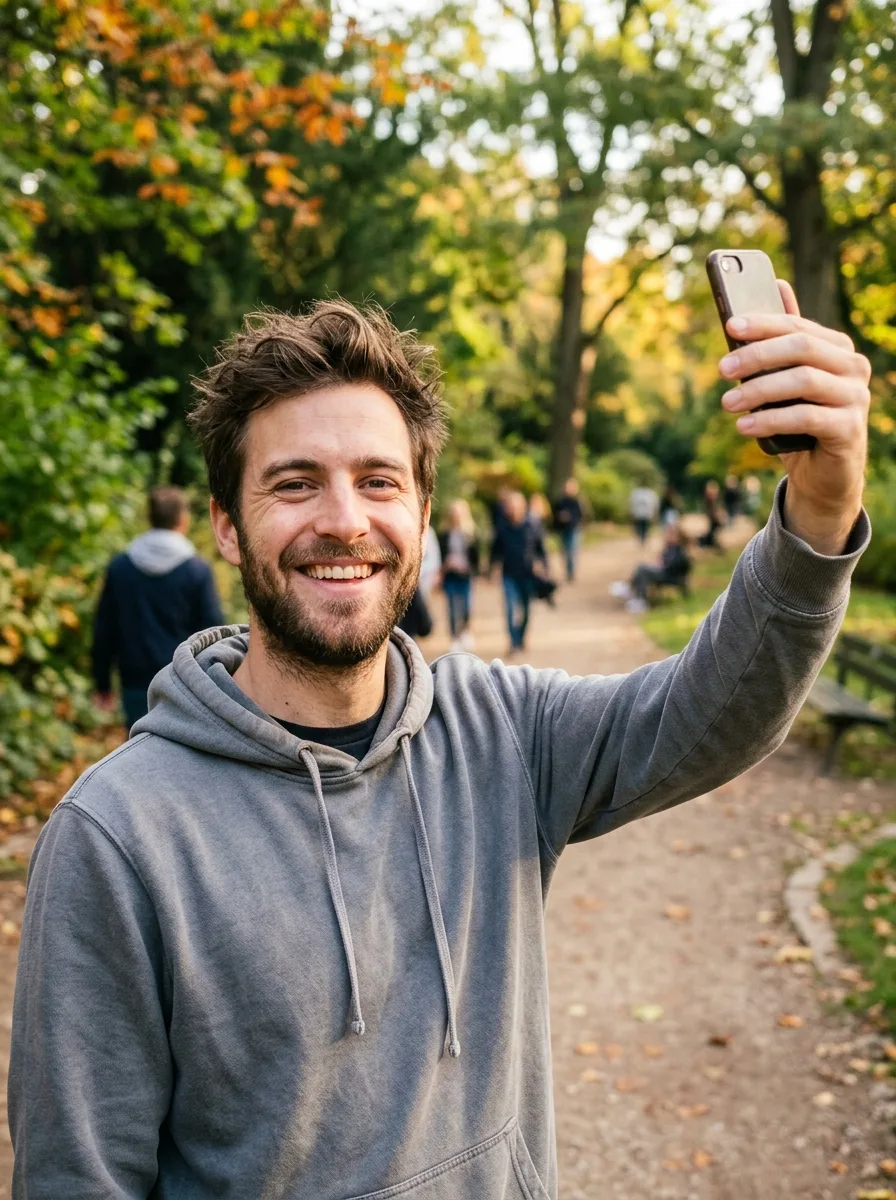
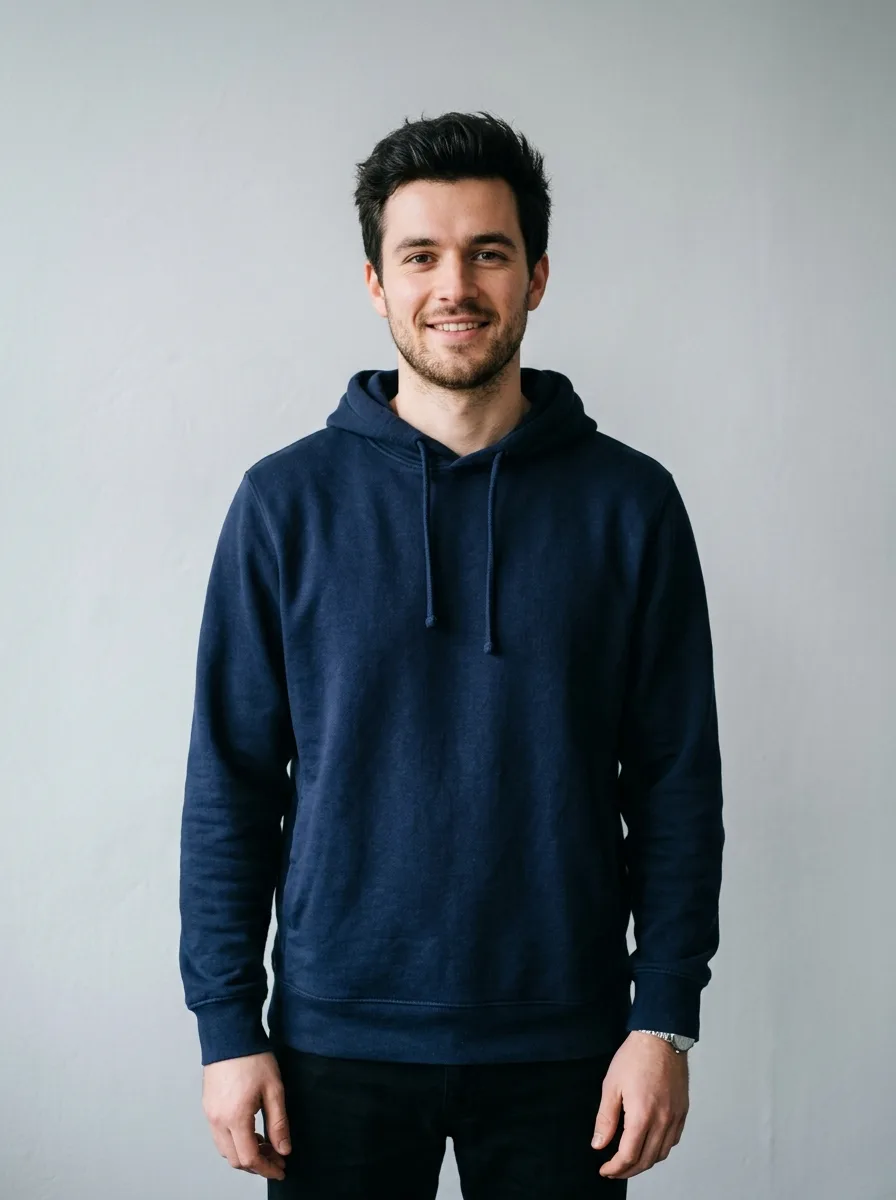
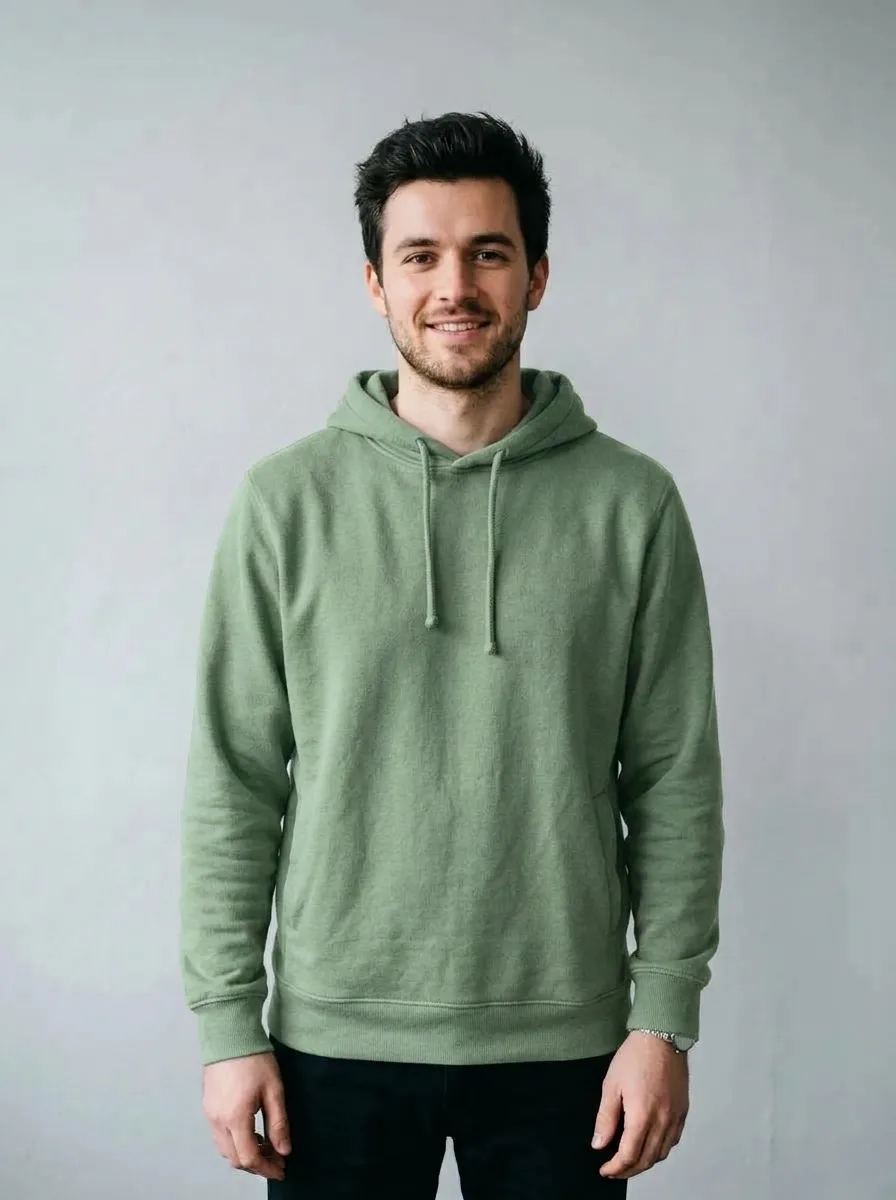
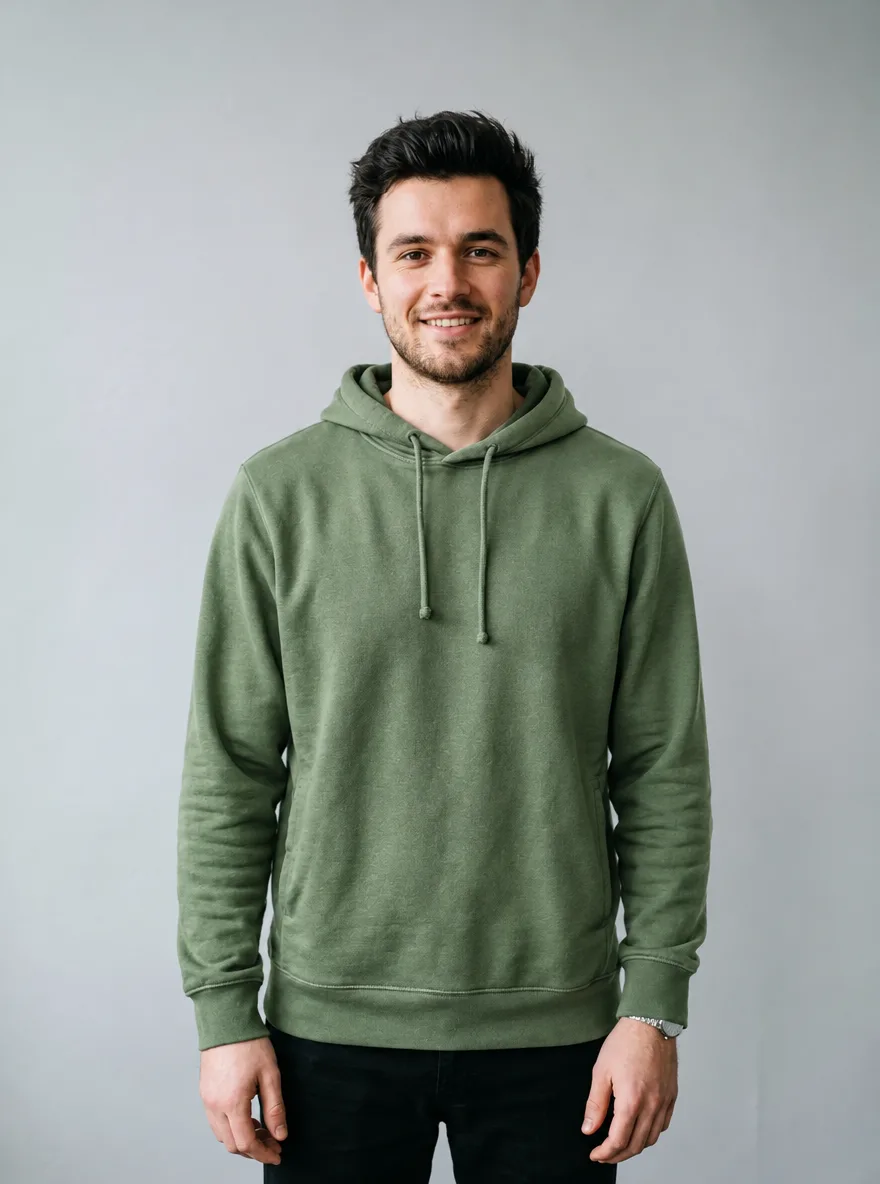
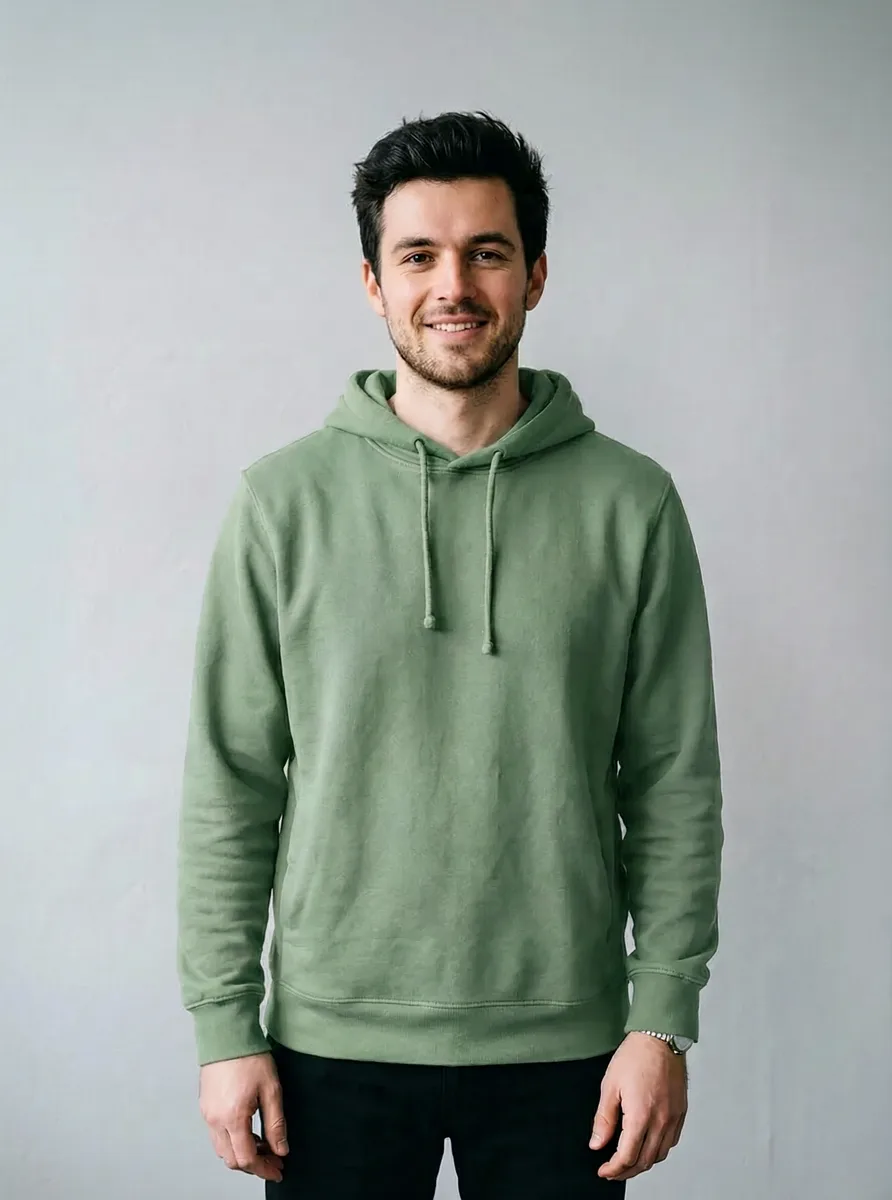
It changed the man's face
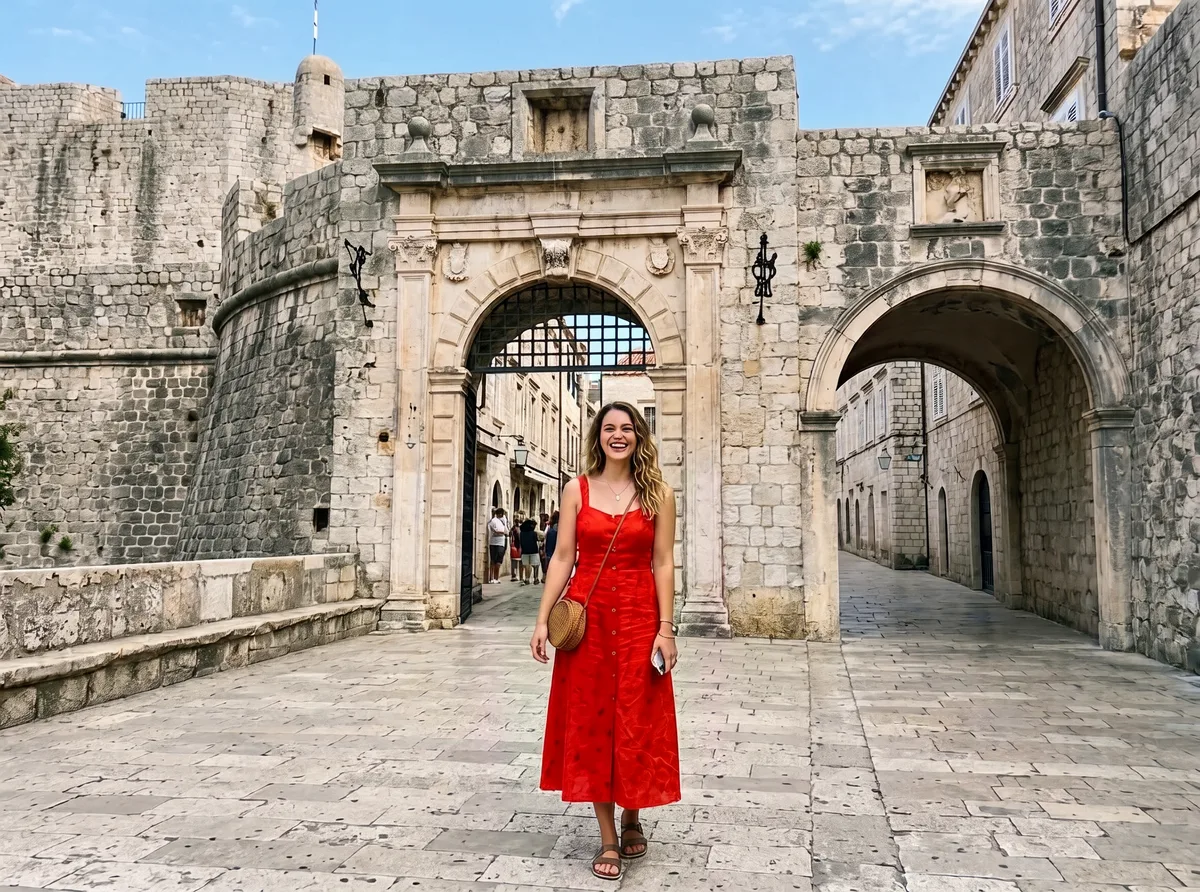
The prompt turns a park selfie into a studio headshot and keeps the face. Nano Banana 2.1 and GPT Image 2.6 kept his brown eyes and broad face. H3-Image gave him blue-gray eyes, a narrower face and neater hair, though its own rewritten prompt said his facial identity remains unchanged.
Original
Nano Banana 2.1
GPT Image 2.6
MiniMax H3-Image
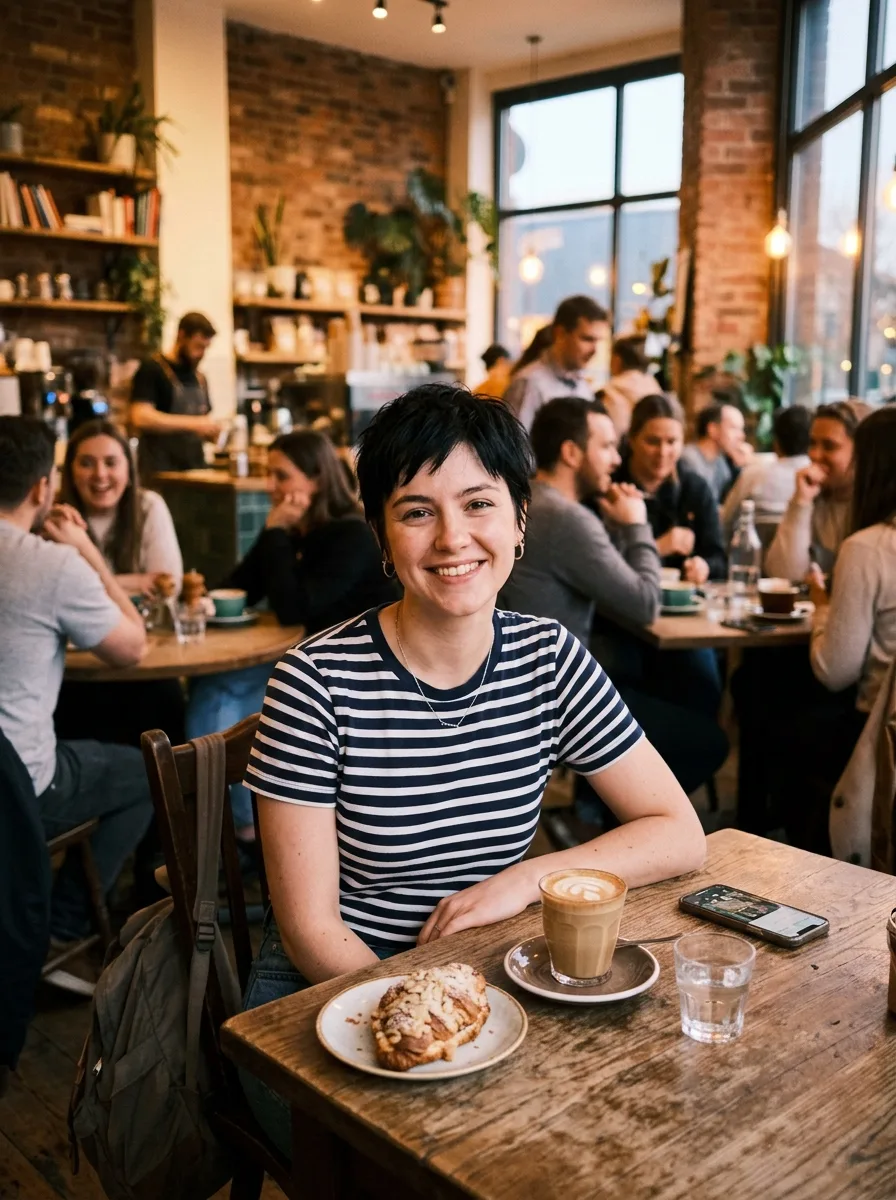
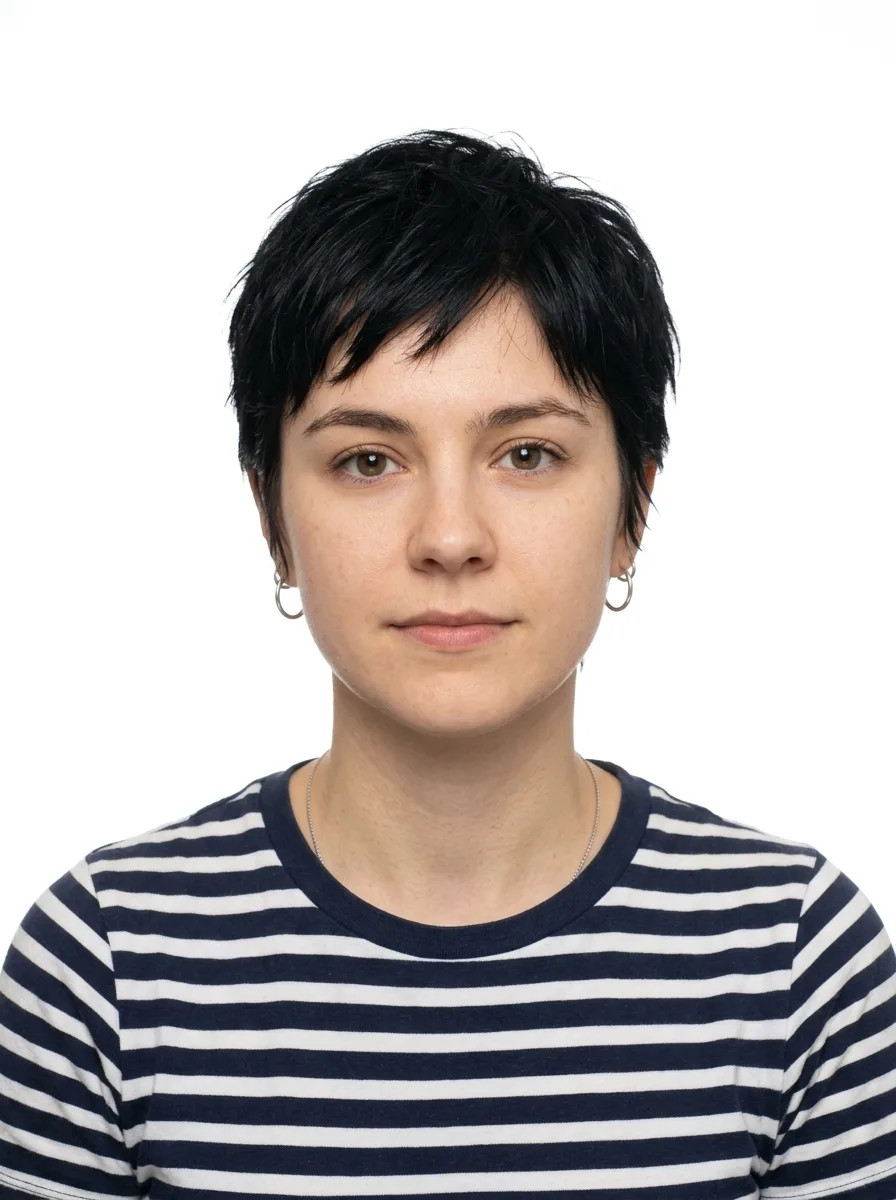
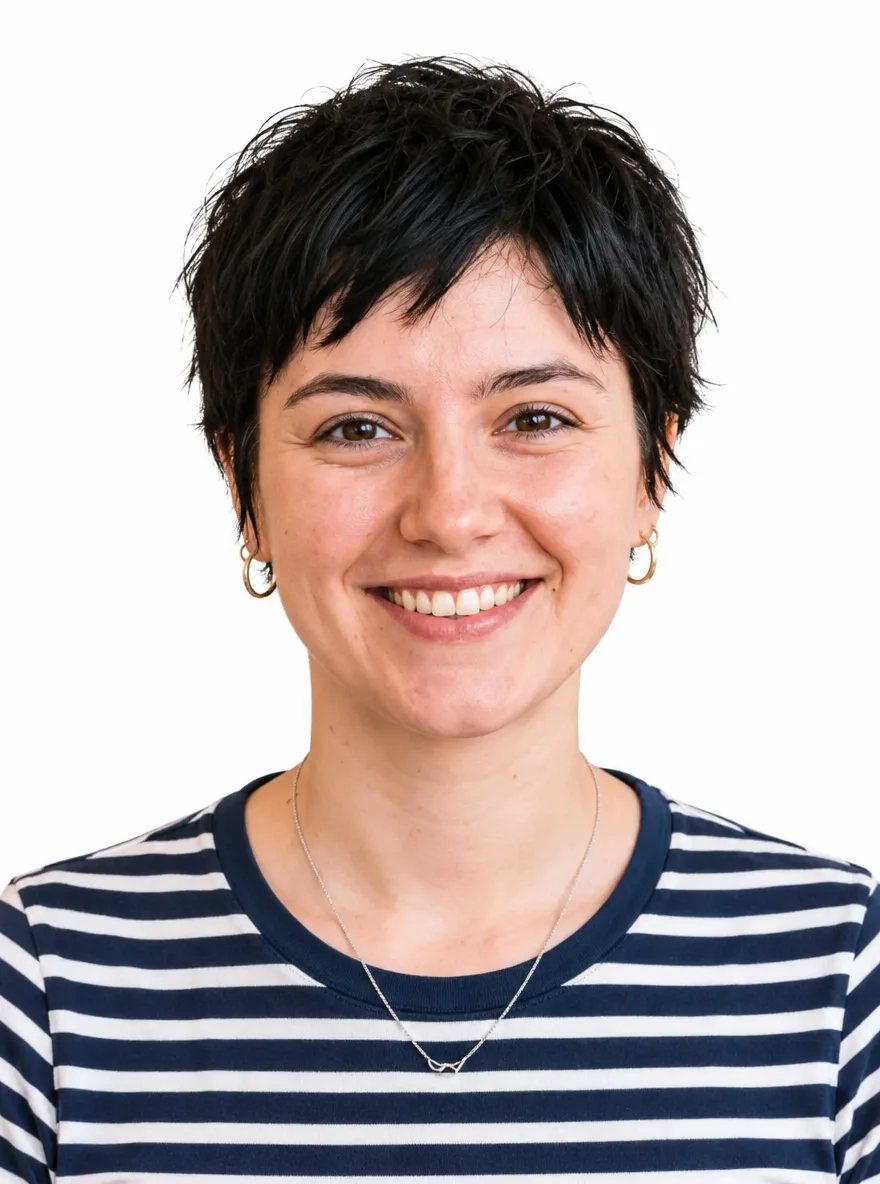
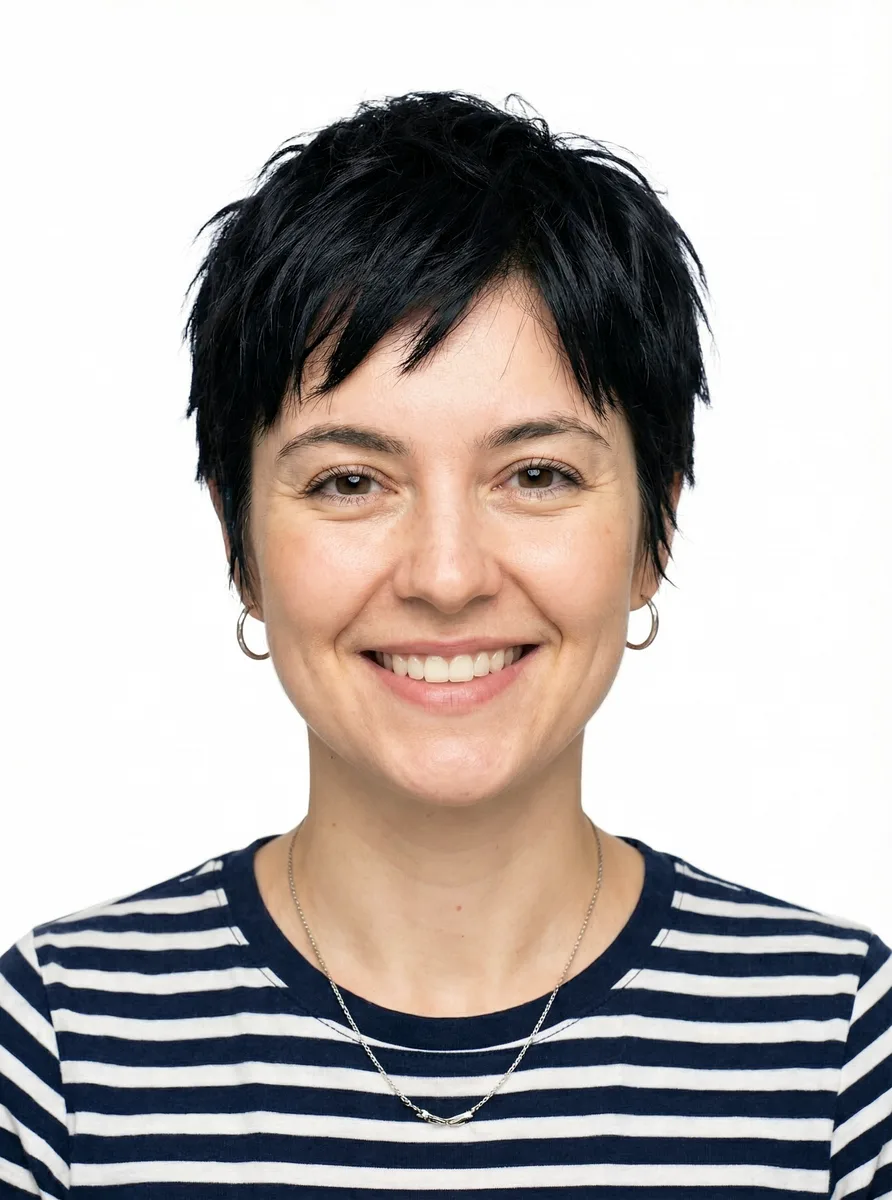
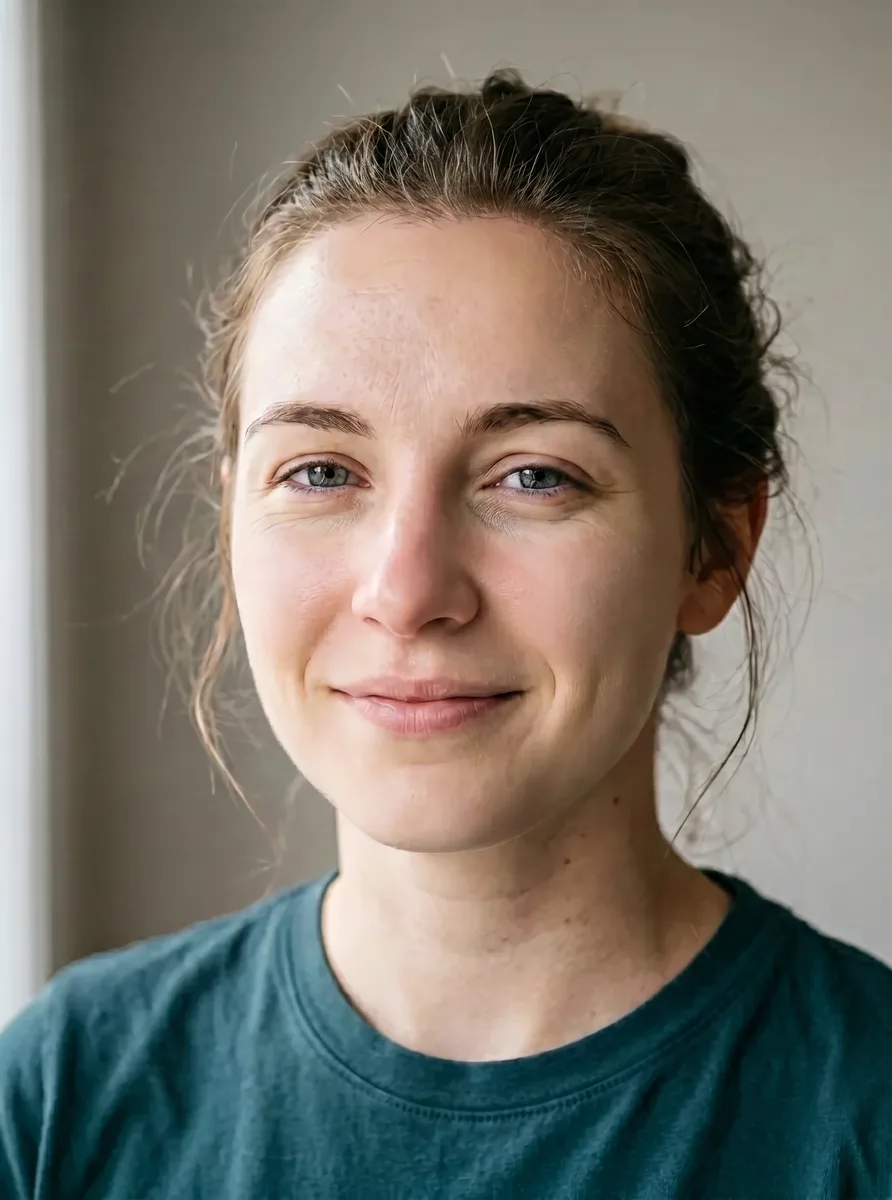
The ID photo came back looking older
Asked for a passport-style photo that keeps the face exactly the same, H3-Image added deeper lines around the eyes, and the woman looks years older than in the original. The other two kept her features close.
Prompt: ID Photo with White Background
Original
Nano Banana 2.1
GPT Image 2.6
MiniMax H3-Image
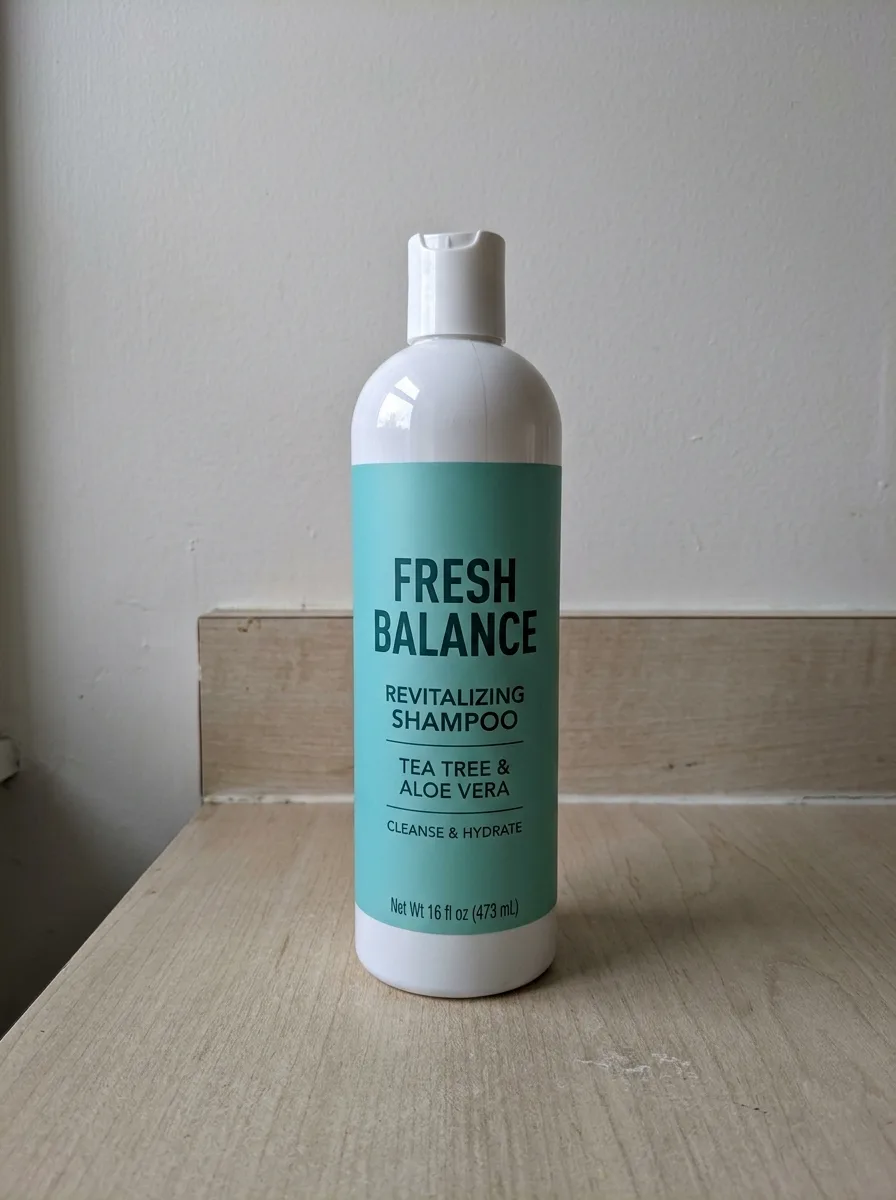
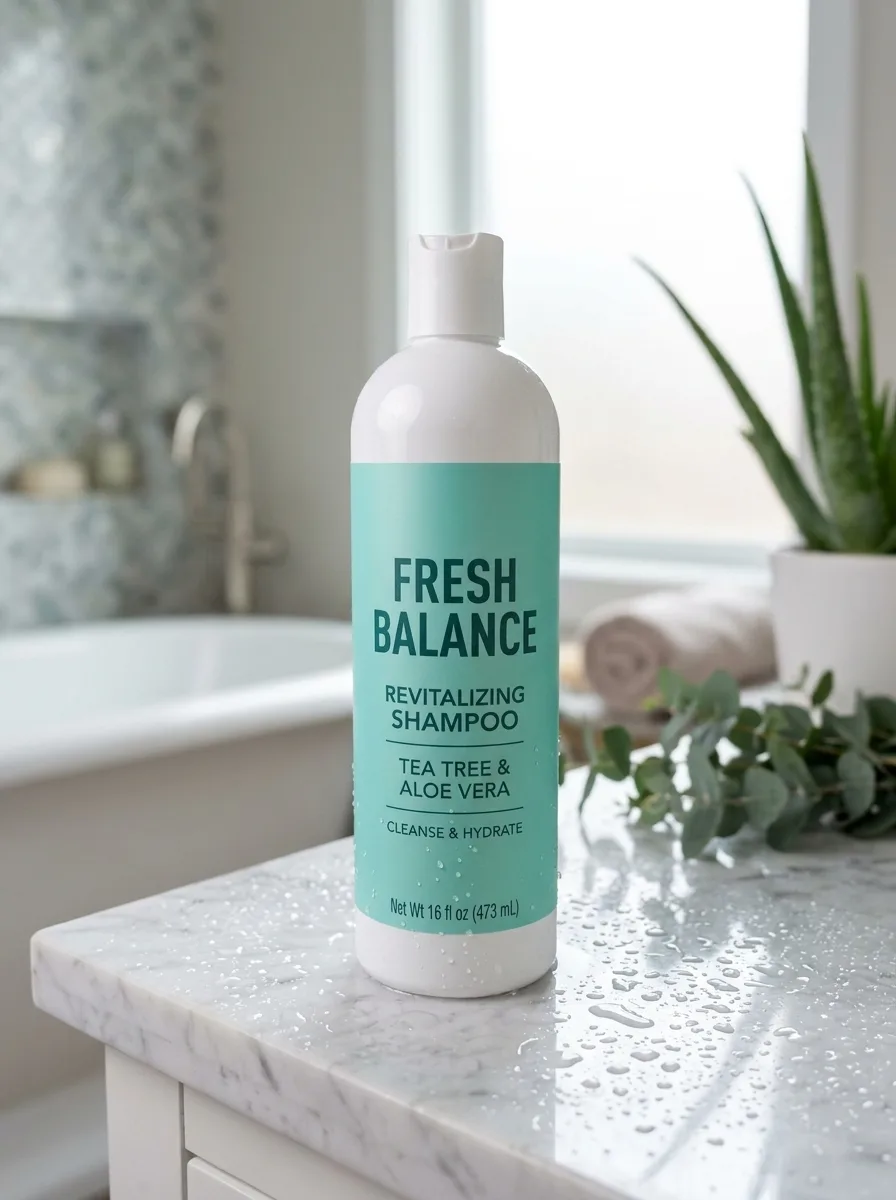
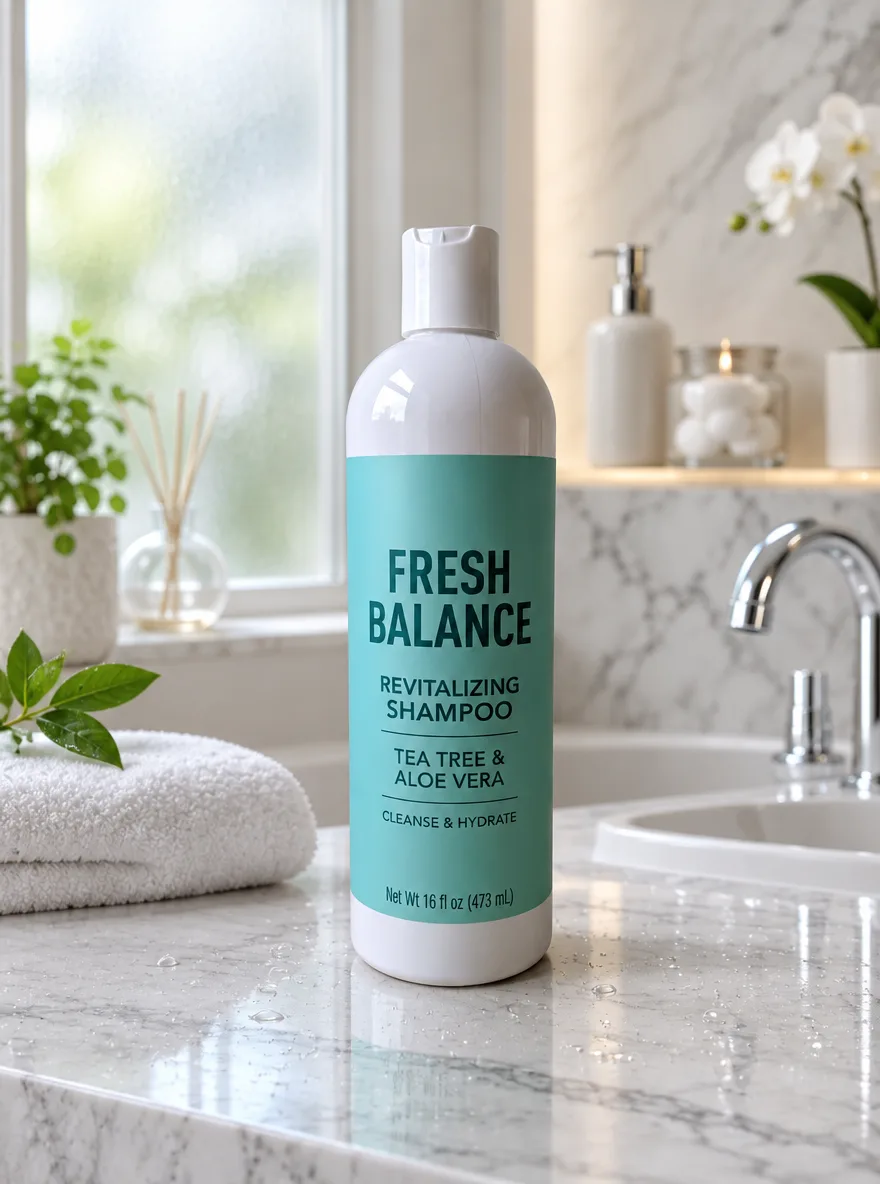
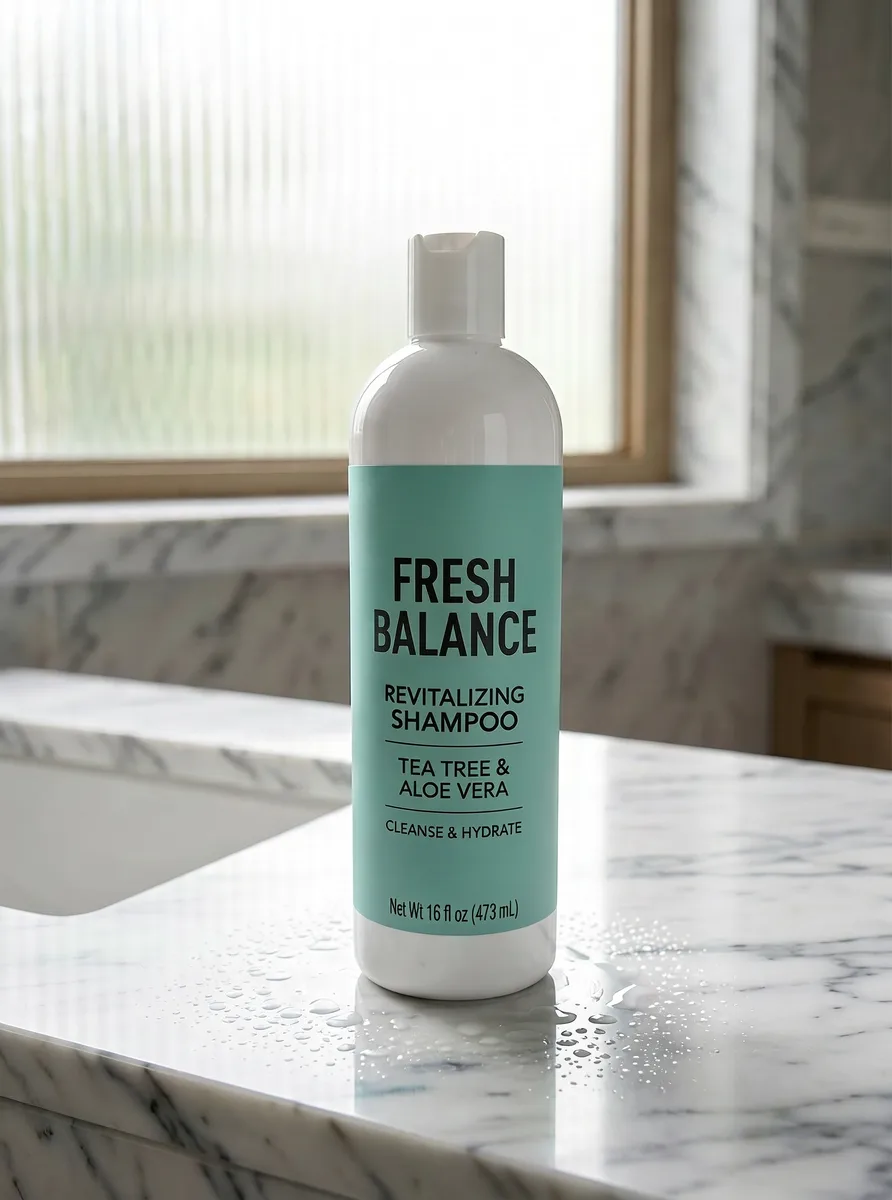
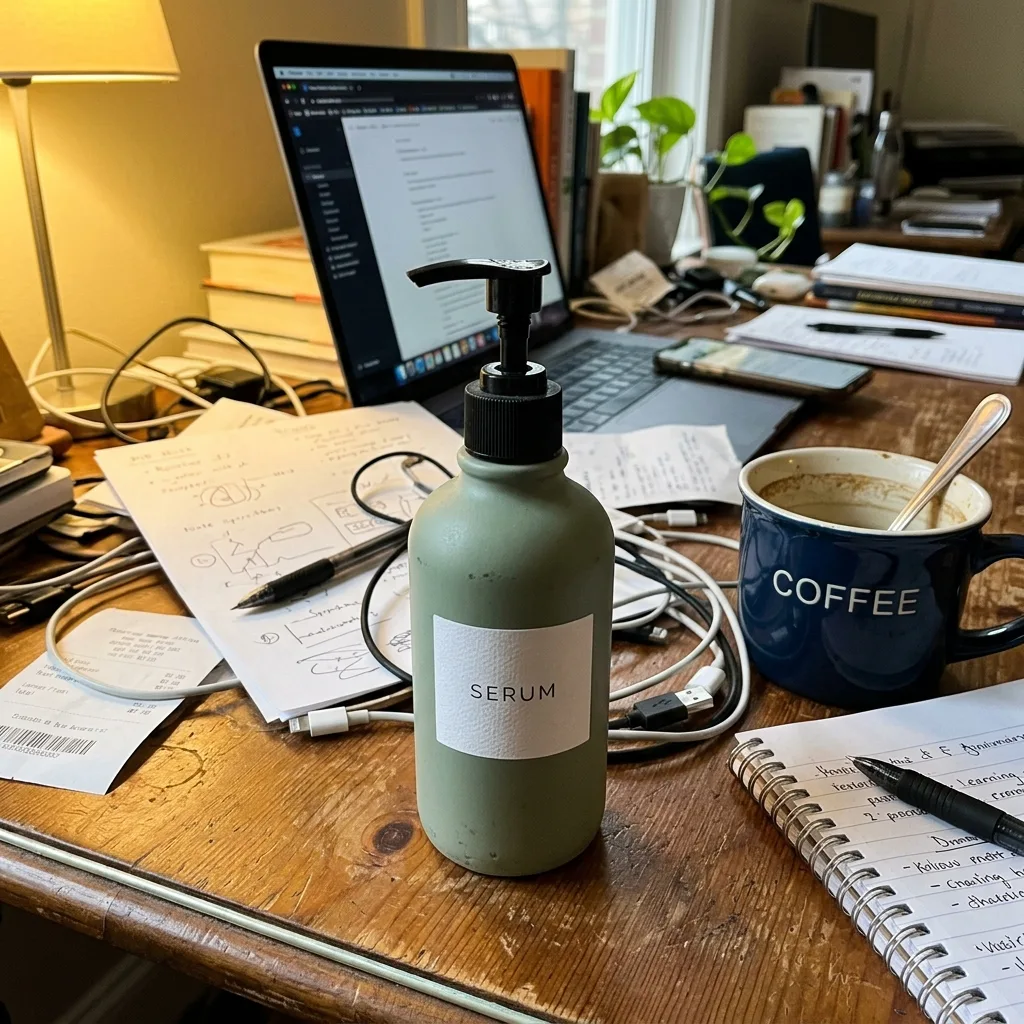
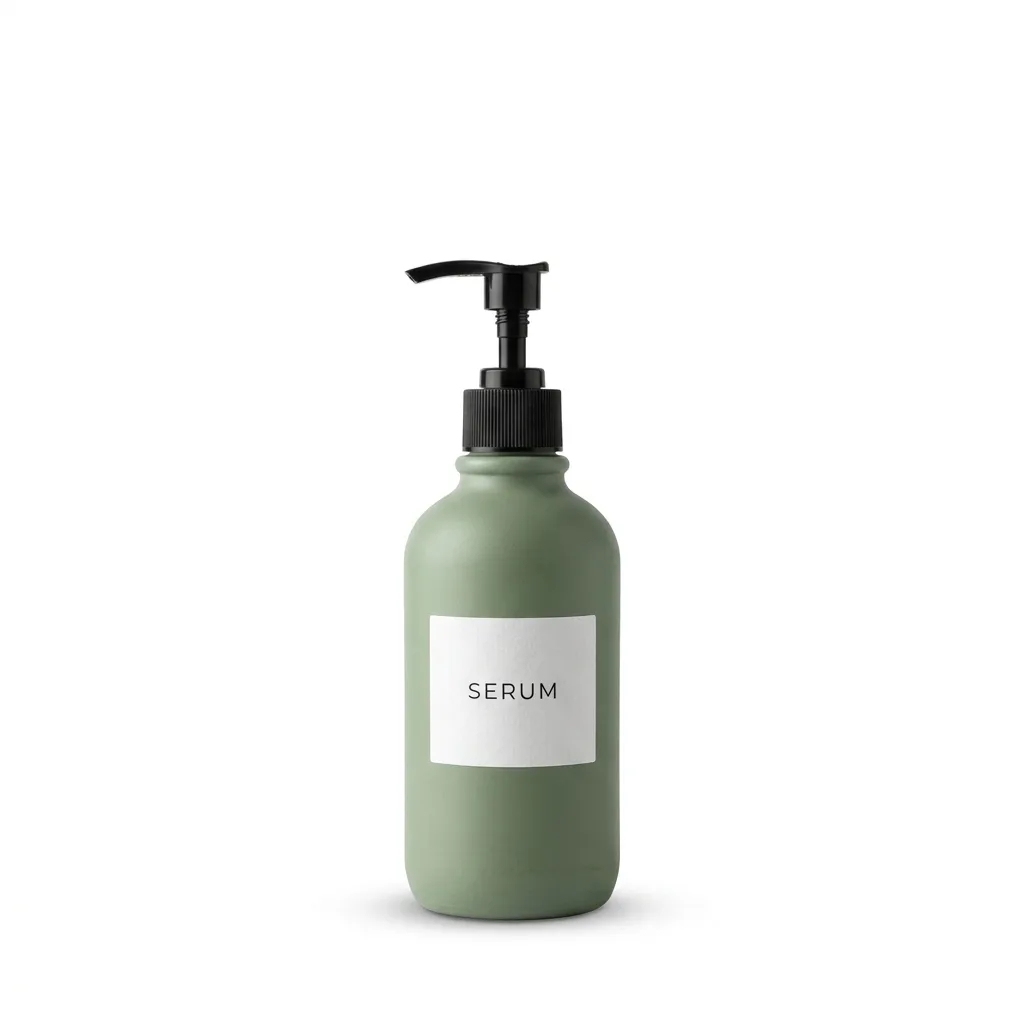
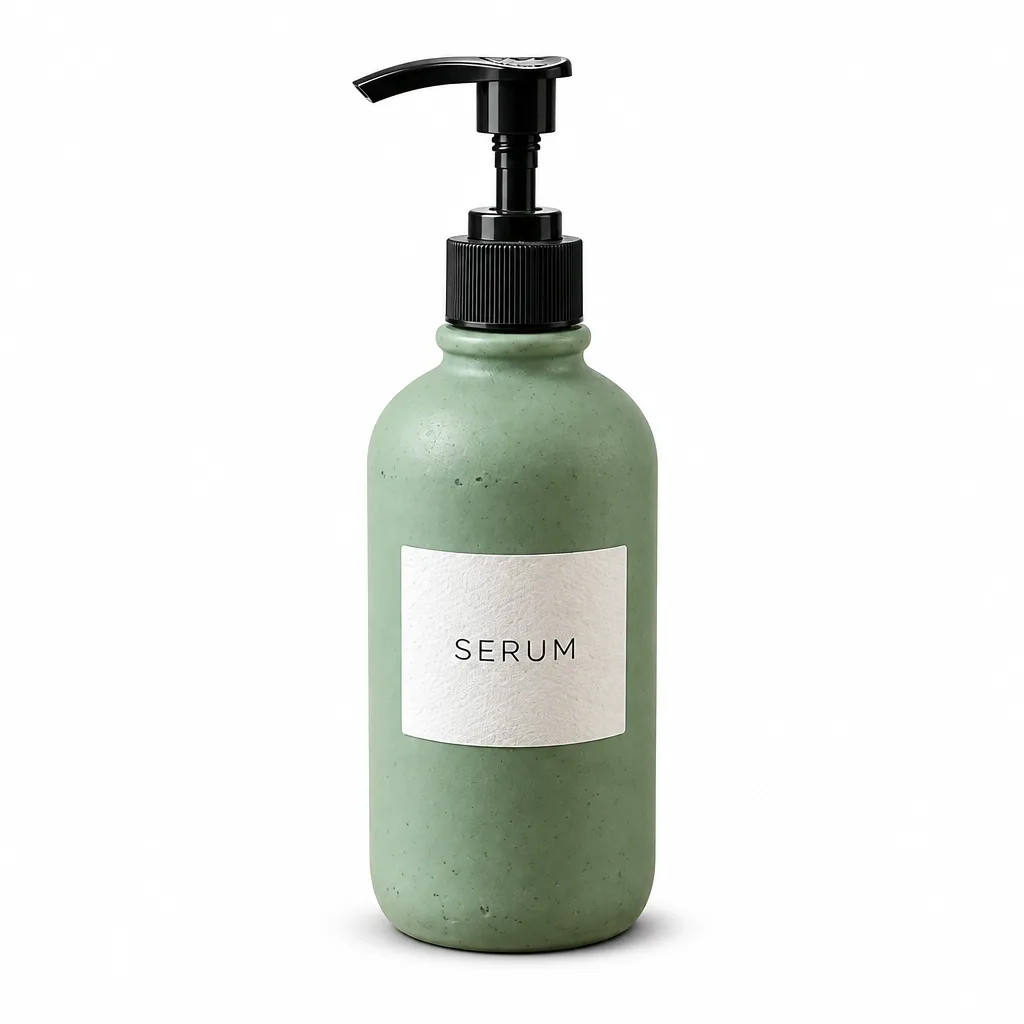
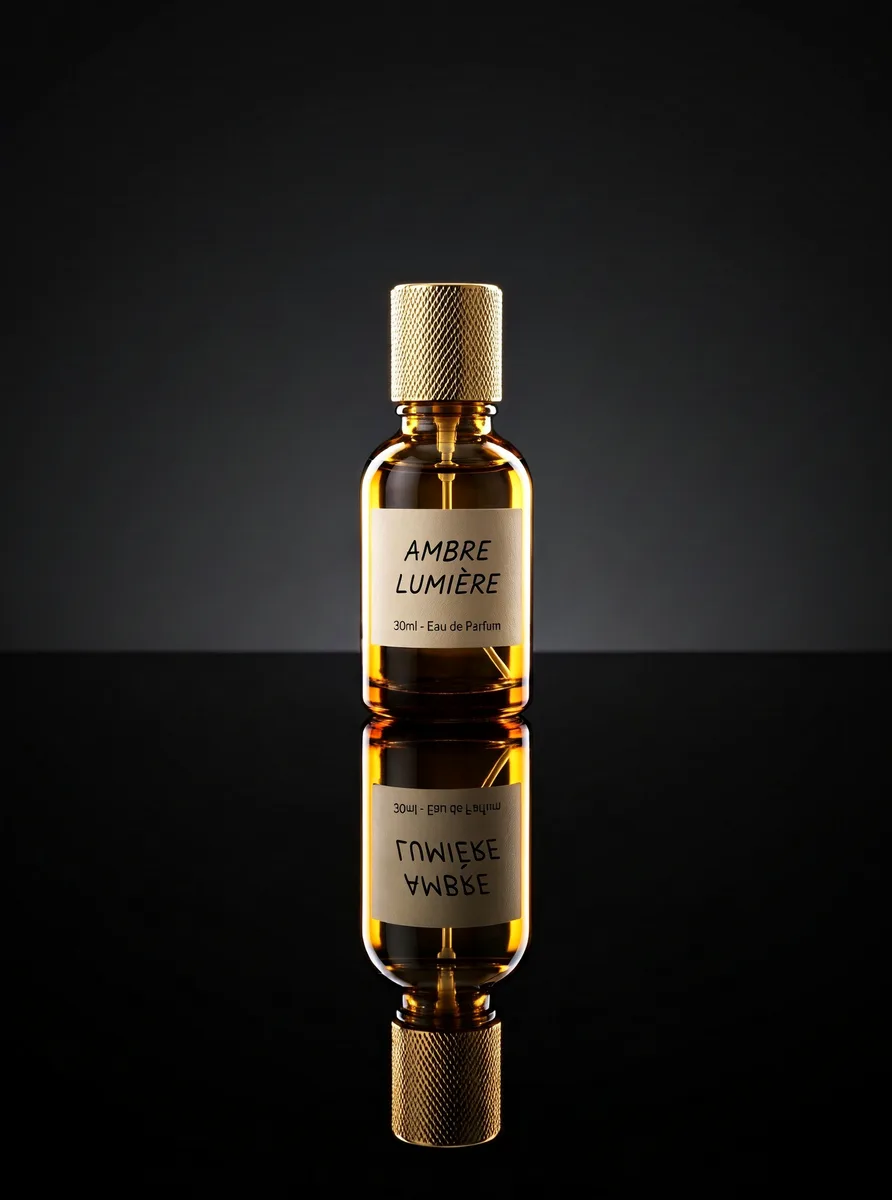
The rewrite turned the label's teal text black
The bottle's text is dark teal. H3-Image's rewritten prompt described it as "the black printed text block", and the result printed it in near-black. The scene itself, marble, water drops and soft window light, is as good as the other two.
Original
Nano Banana 2.1
GPT Image 2.6
MiniMax H3-Image
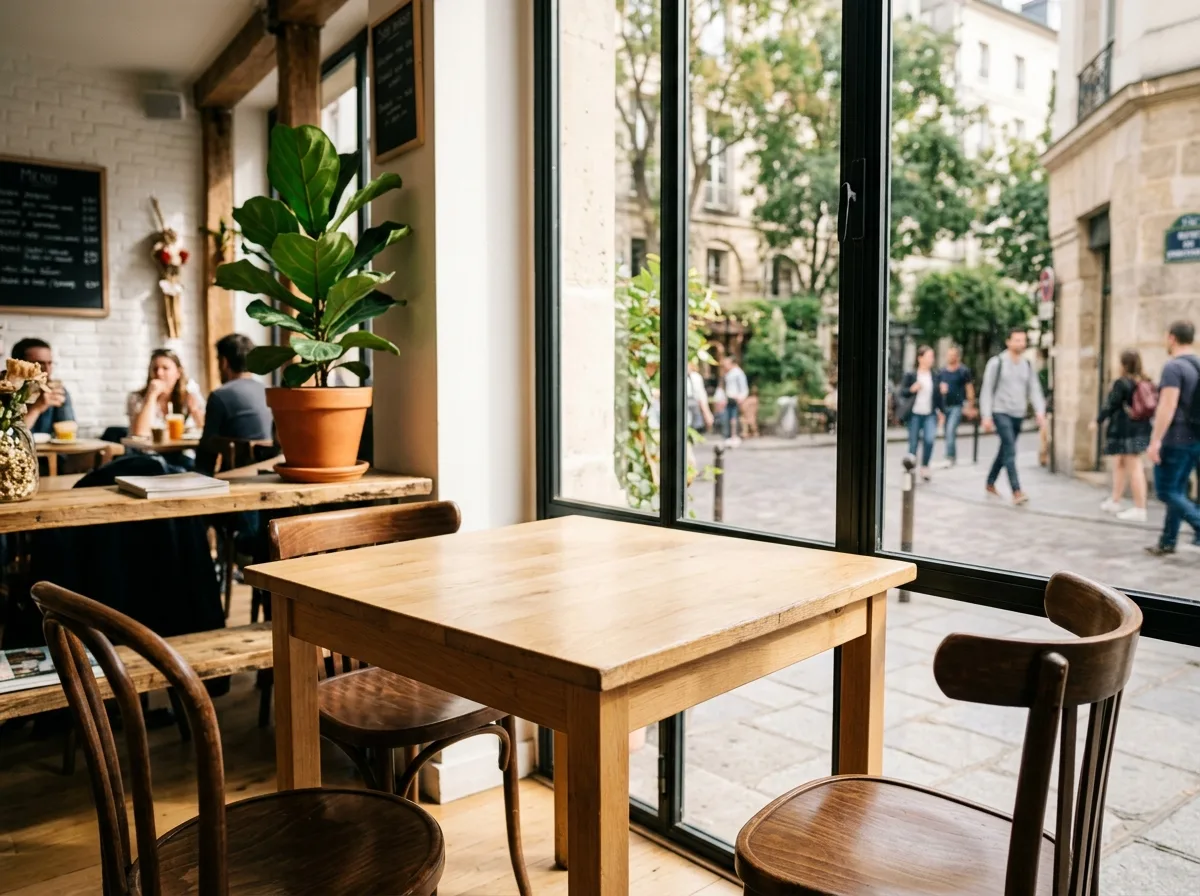
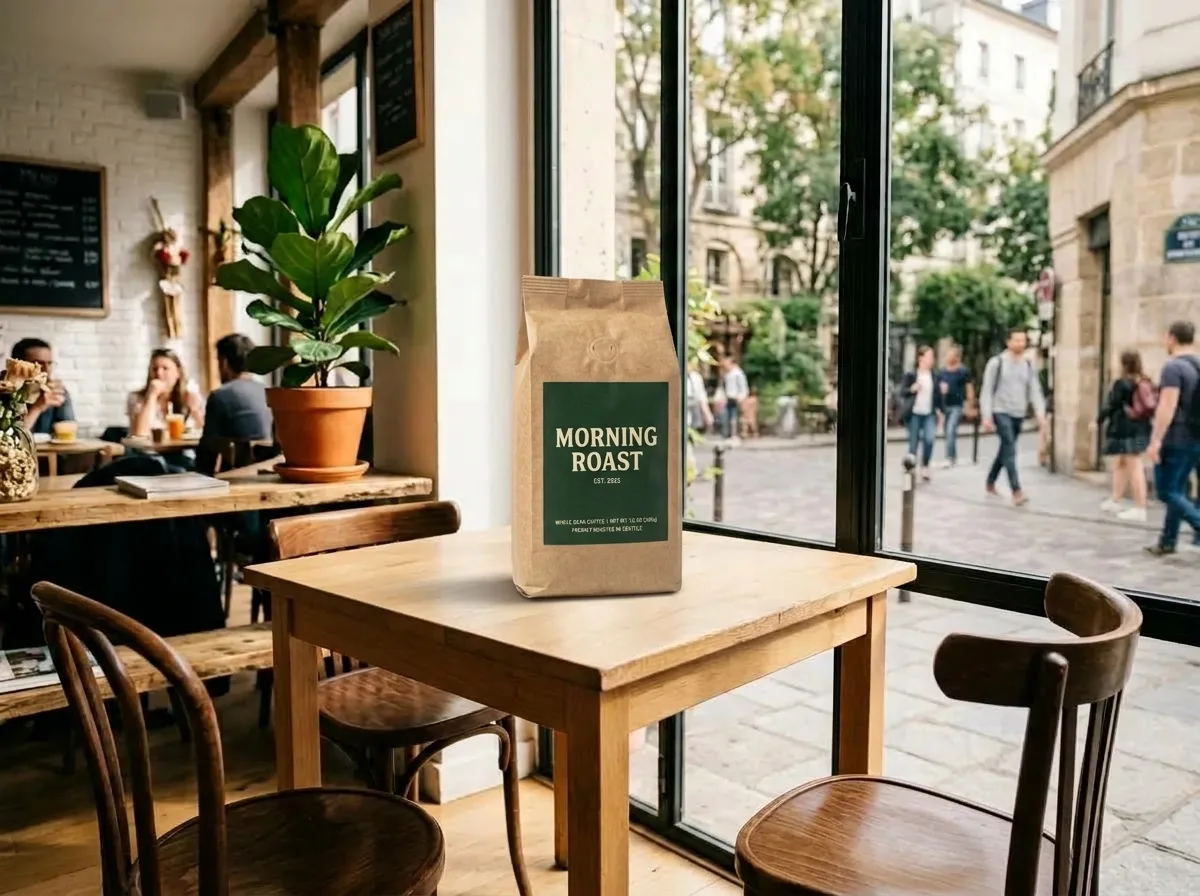
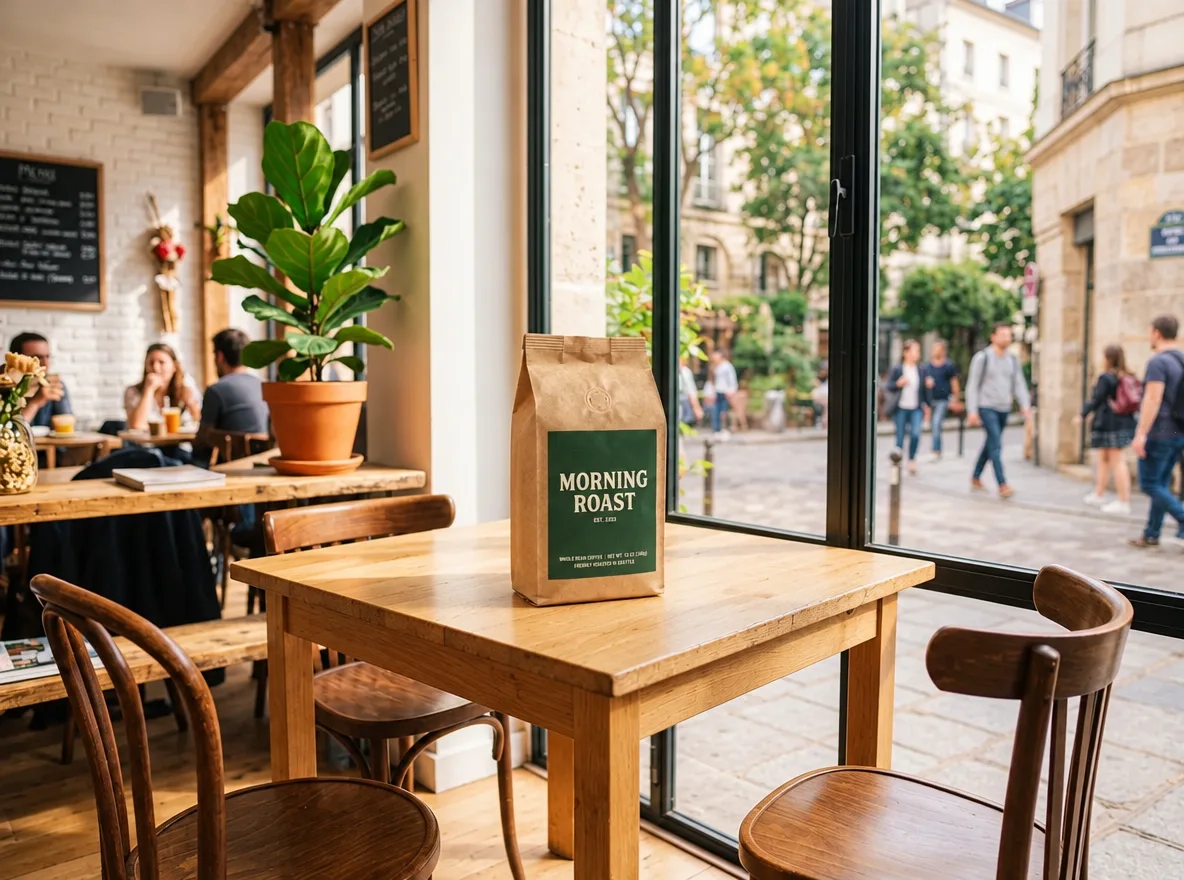
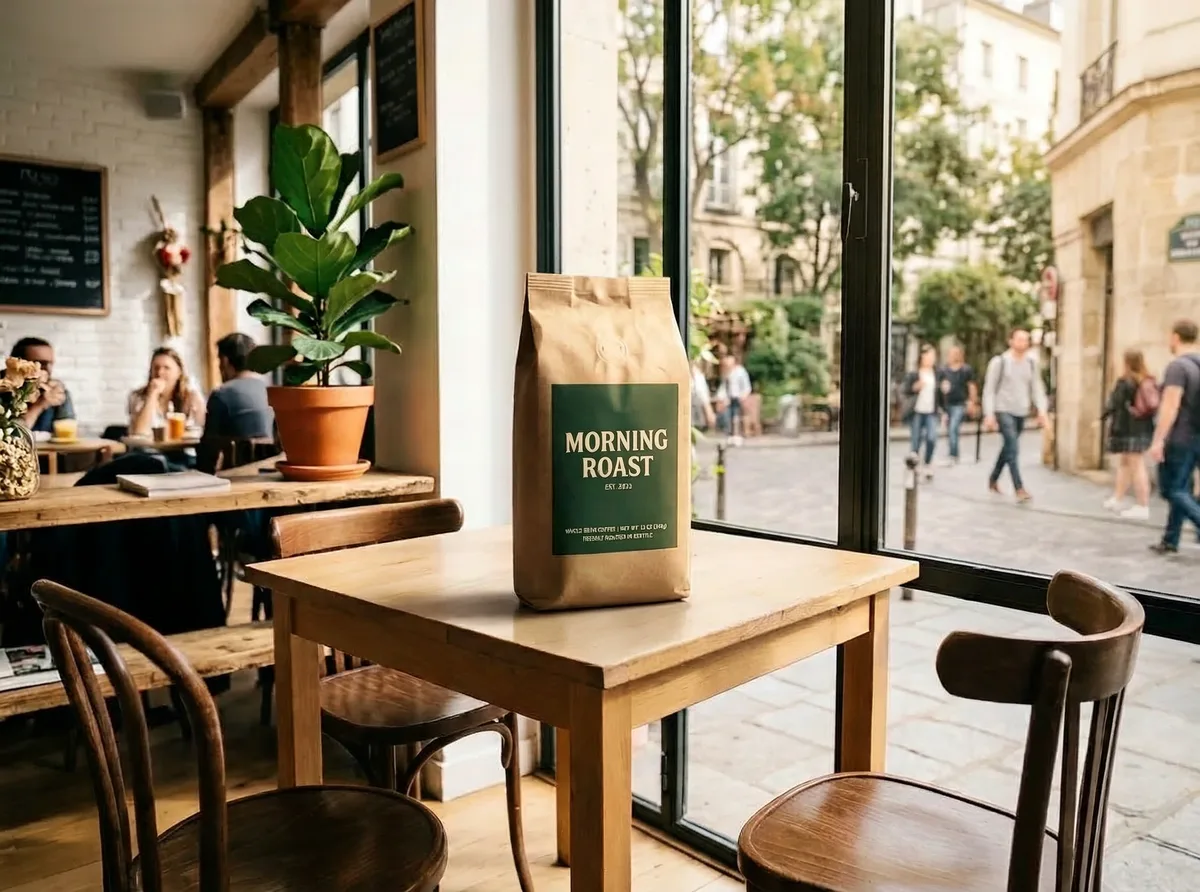
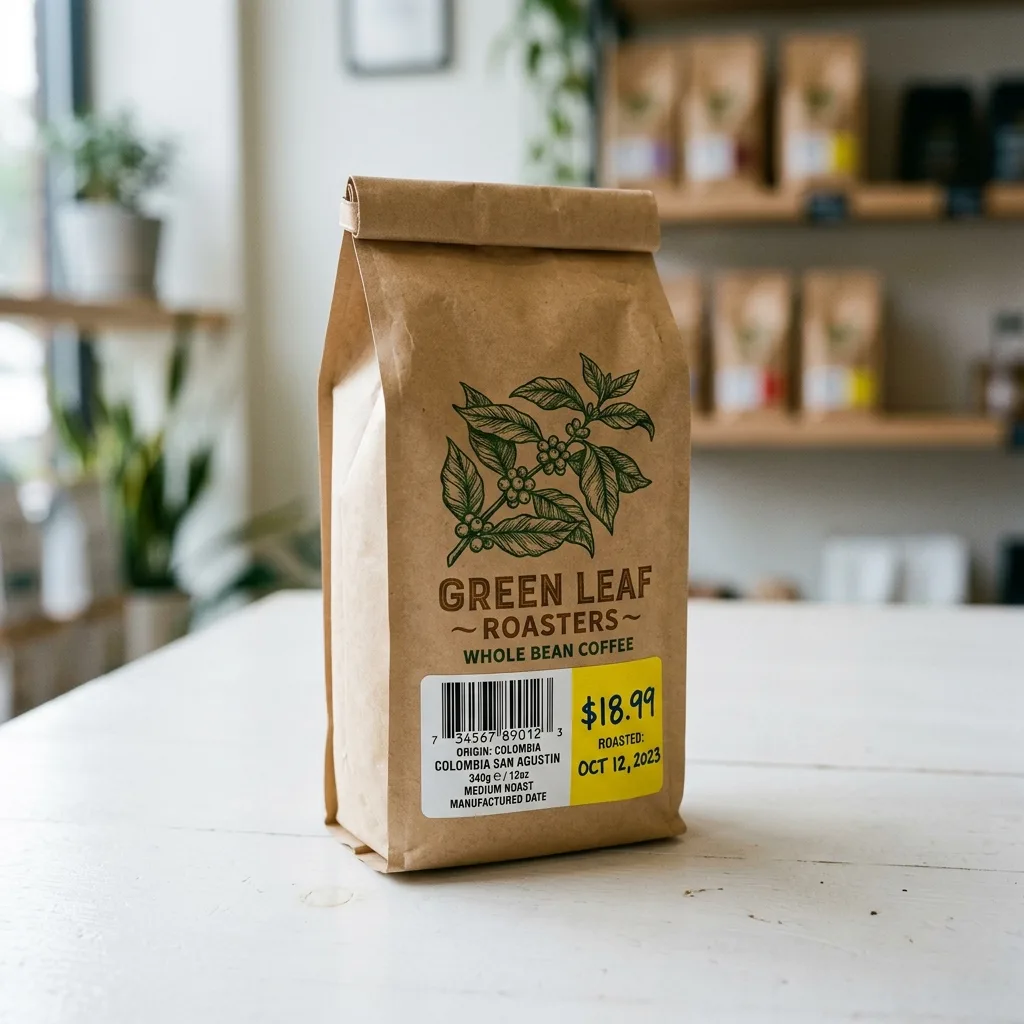
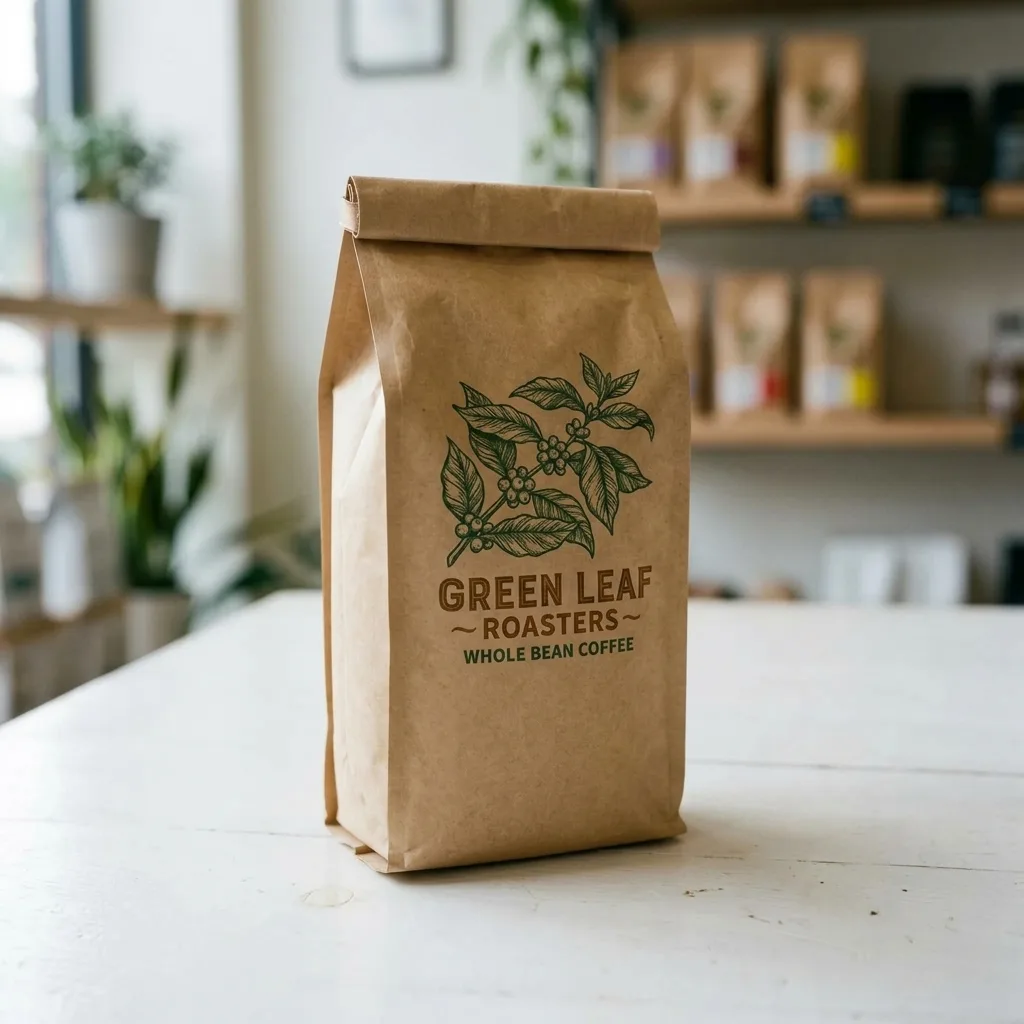
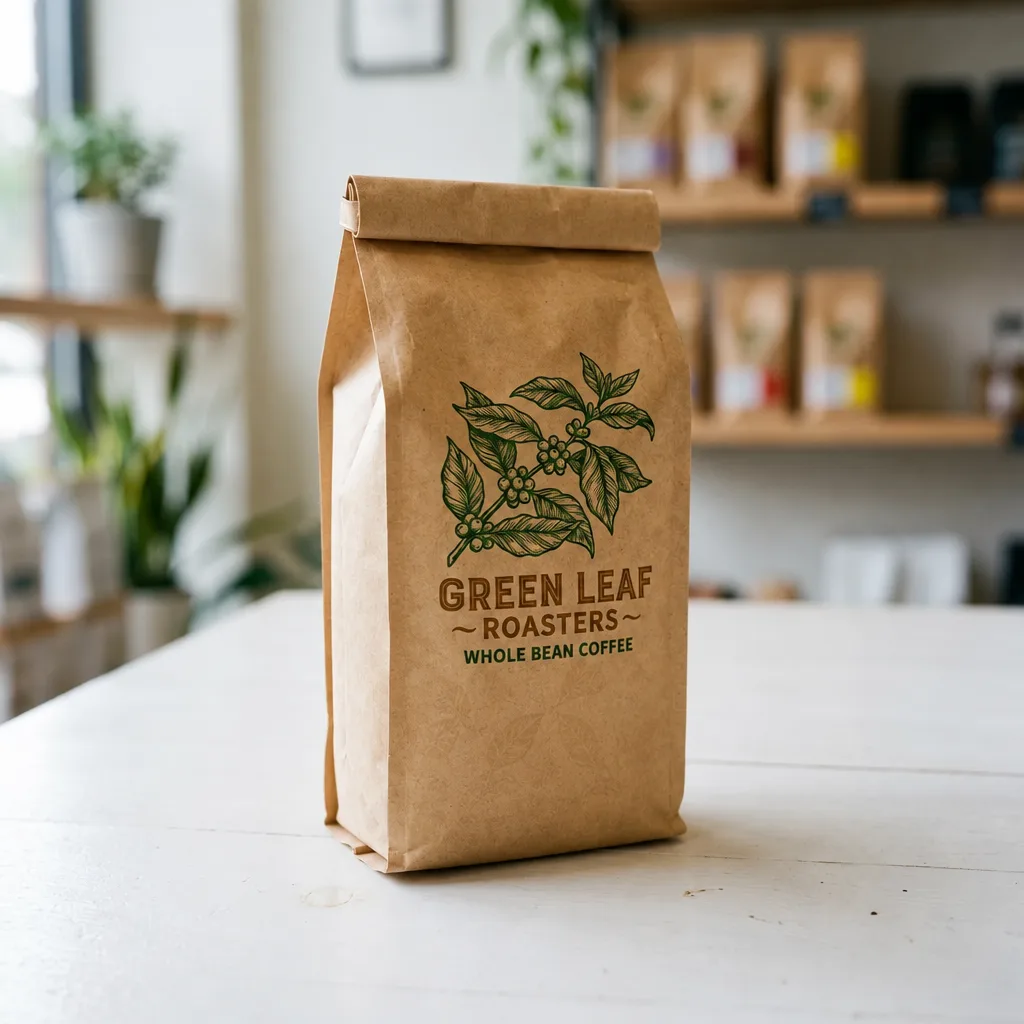
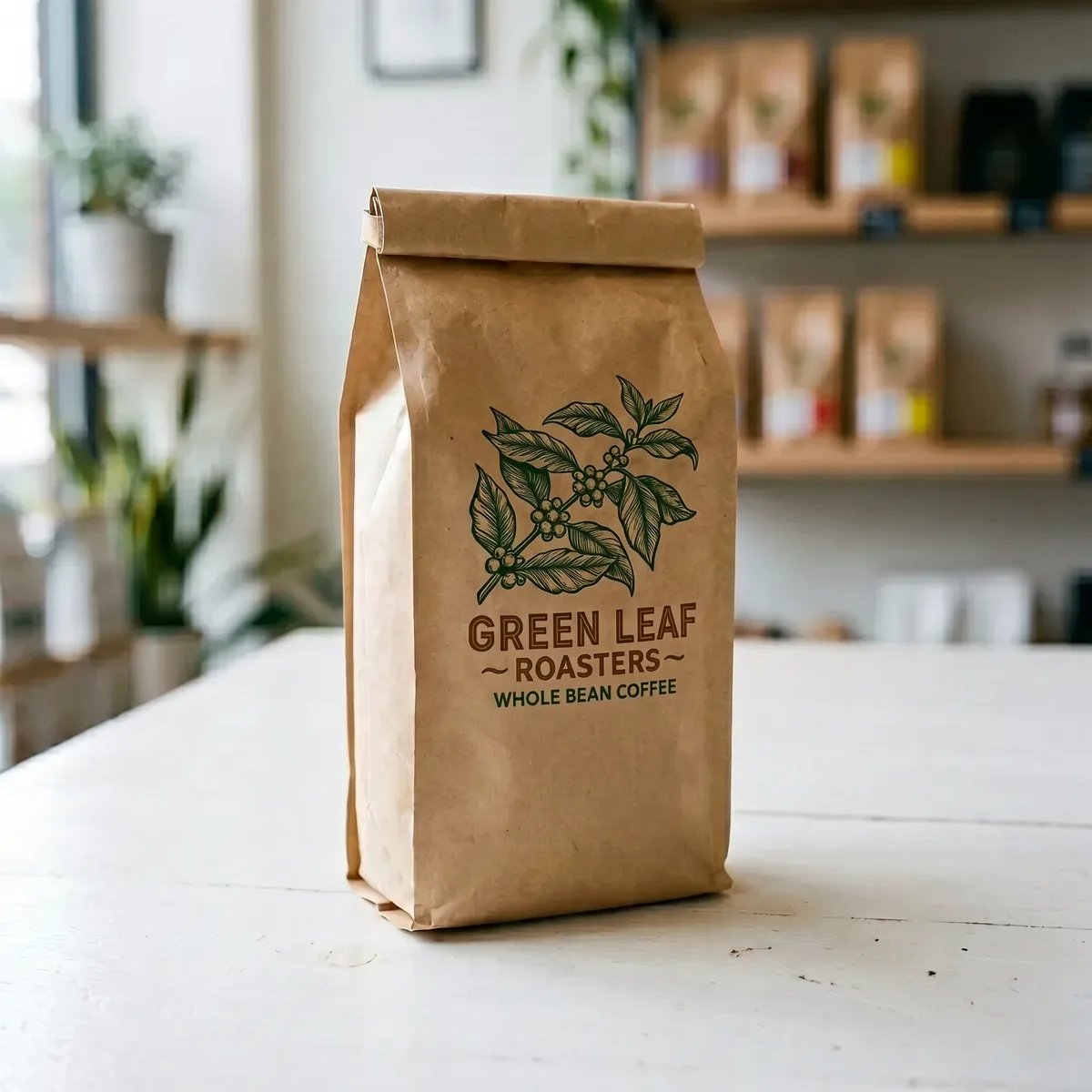
The coffee bag came out too big for the table
Placed into the cafe photo, H3-Image's bag came out clearly larger than in the other two results, too big for the 12 oz bag its label describes. Nano Banana 2.1 and GPT Image 2.6 sized it to sit naturally on the table.
Prompt: Place a Product into Your Scene
Original
Nano Banana 2.1
GPT Image 2.6
MiniMax H3-Image
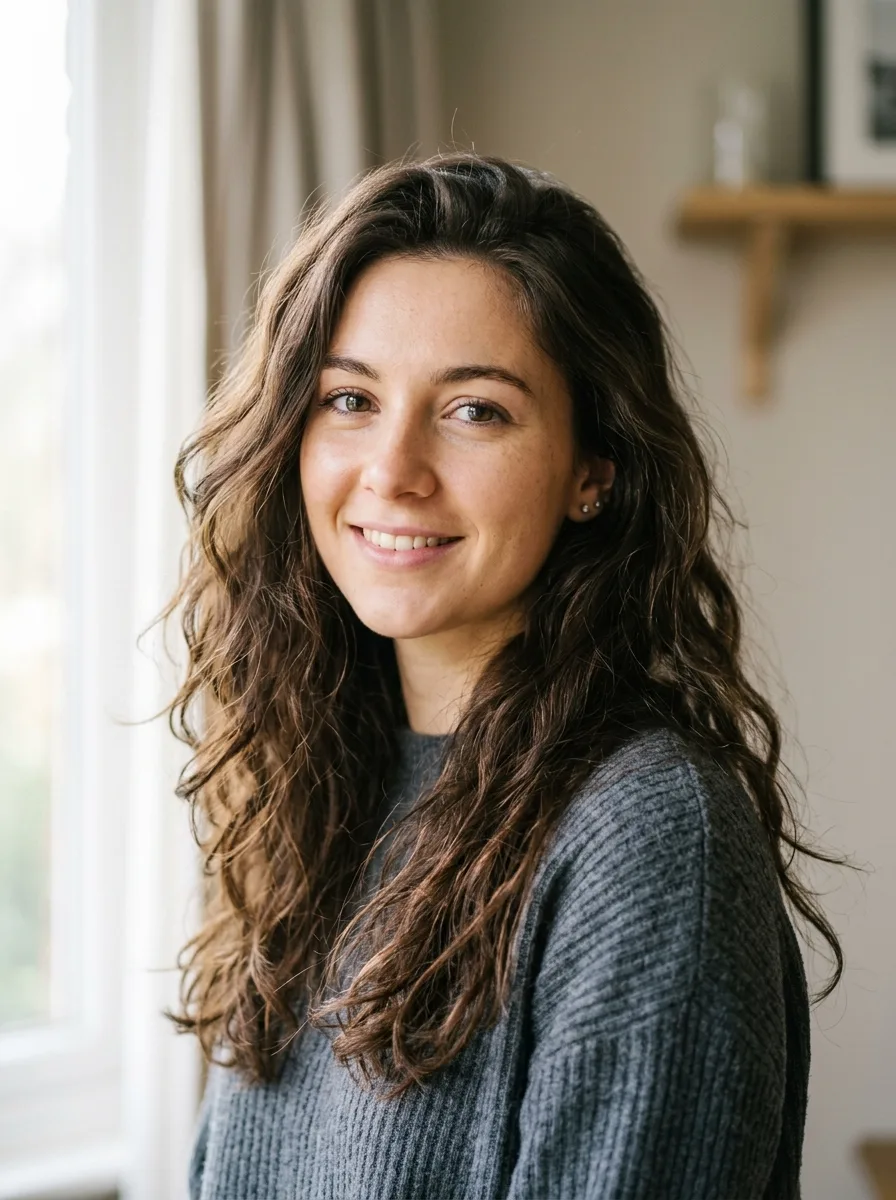
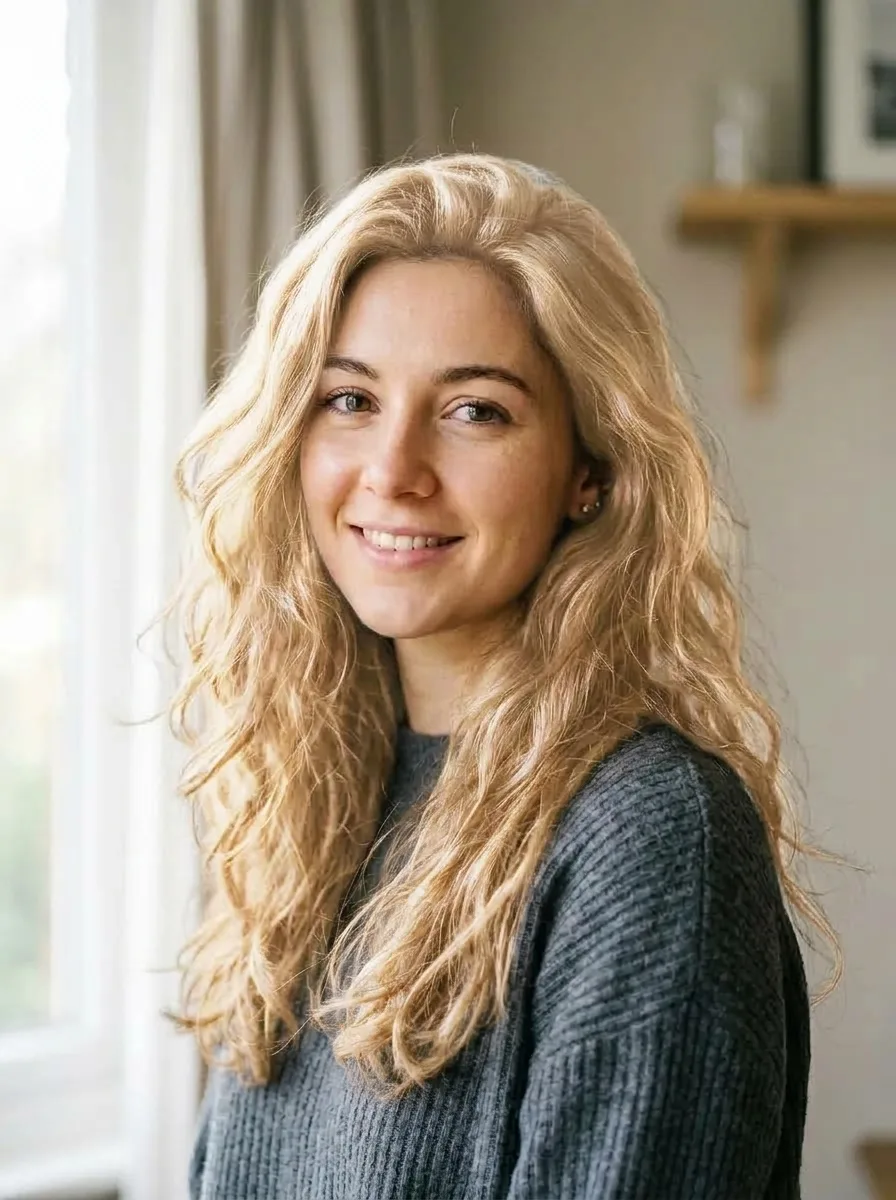
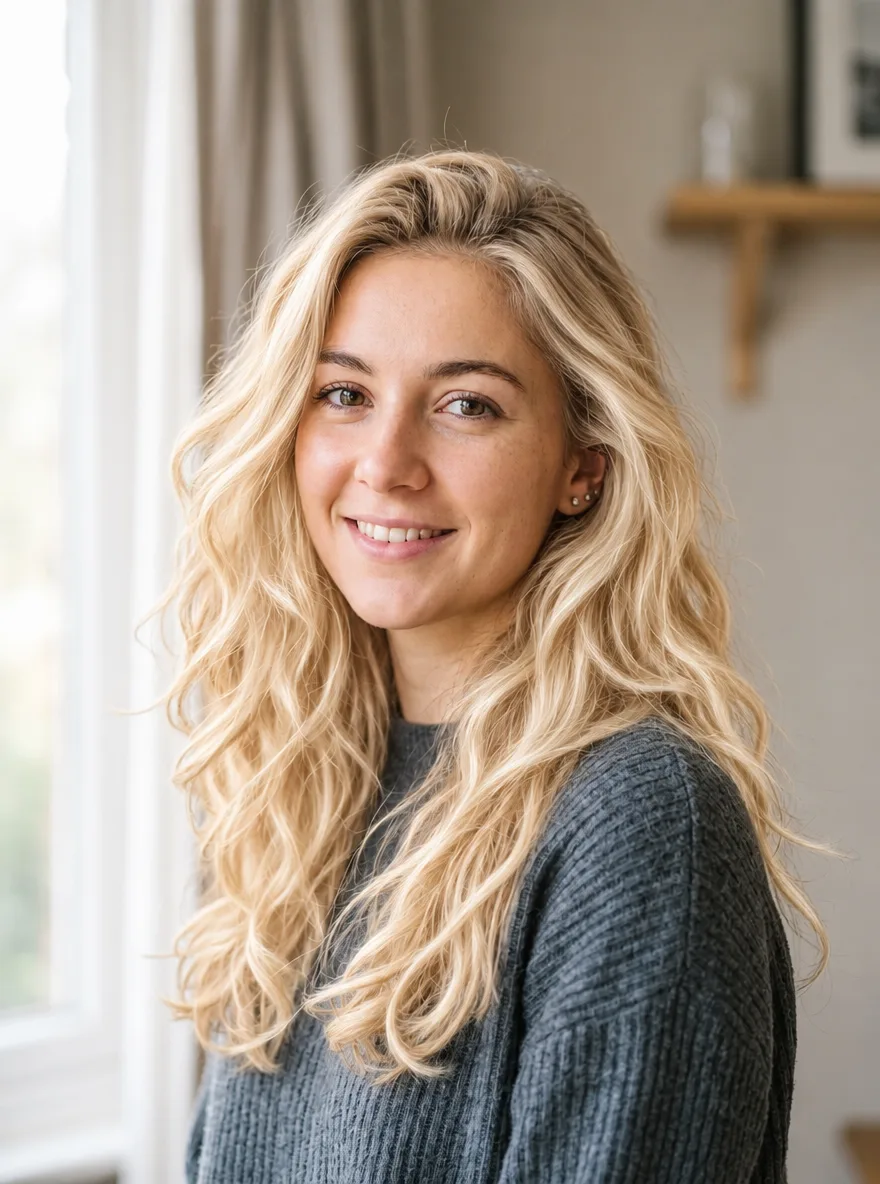
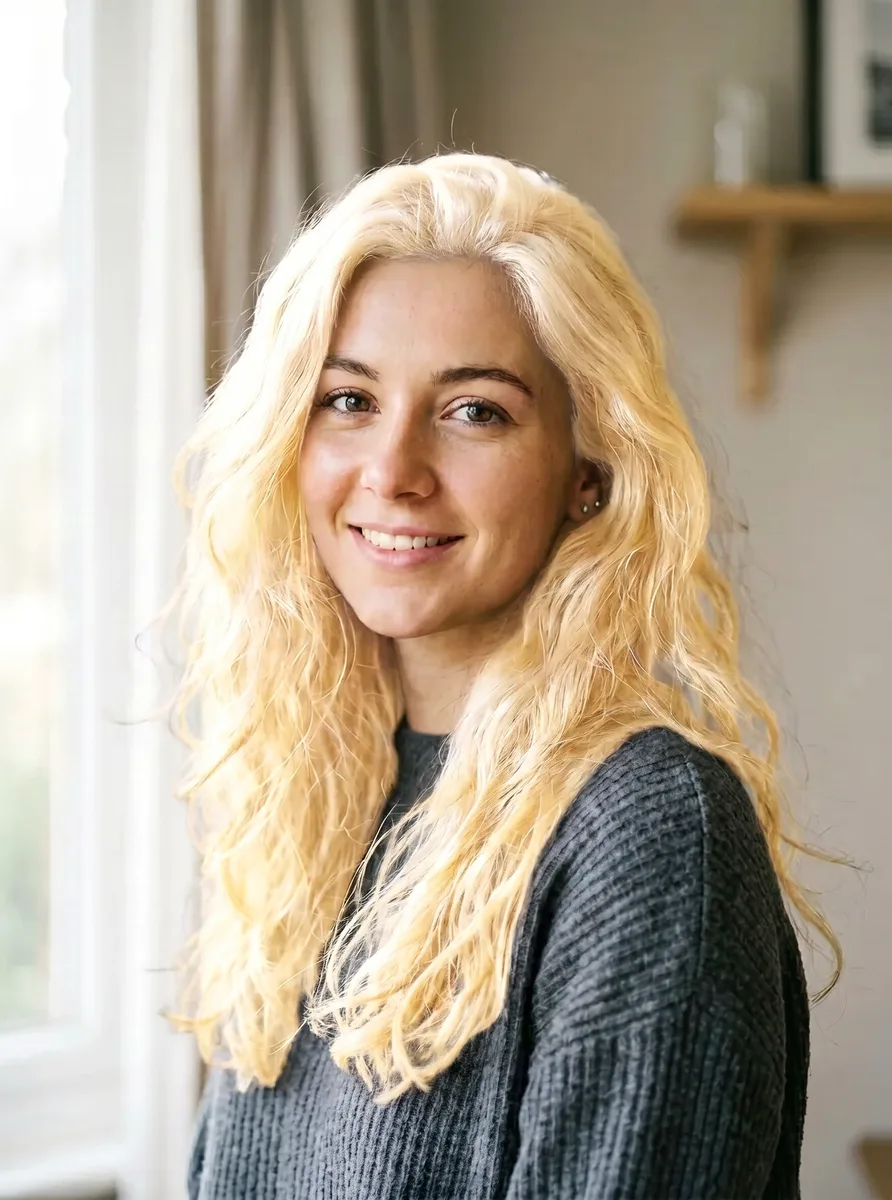
Platinum came out bright yellow
The prompt asks for bright platinum blonde with soft golden undertones. Nano Banana 2.1 and GPT Image 2.6 went pale and cool; H3-Image went a saturated yellow.
Prompt: Change Hair to Platinum Blonde
Original
Nano Banana 2.1
GPT Image 2.6
MiniMax H3-Image
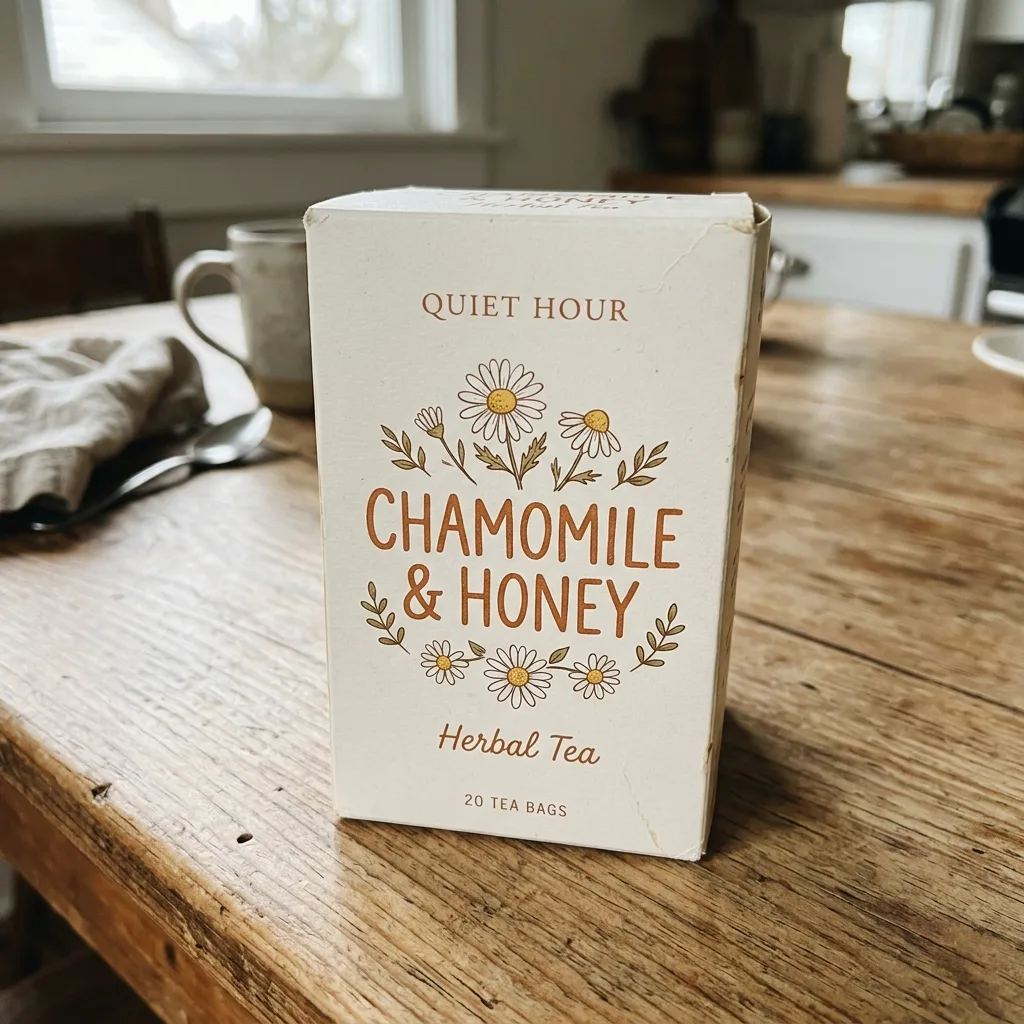
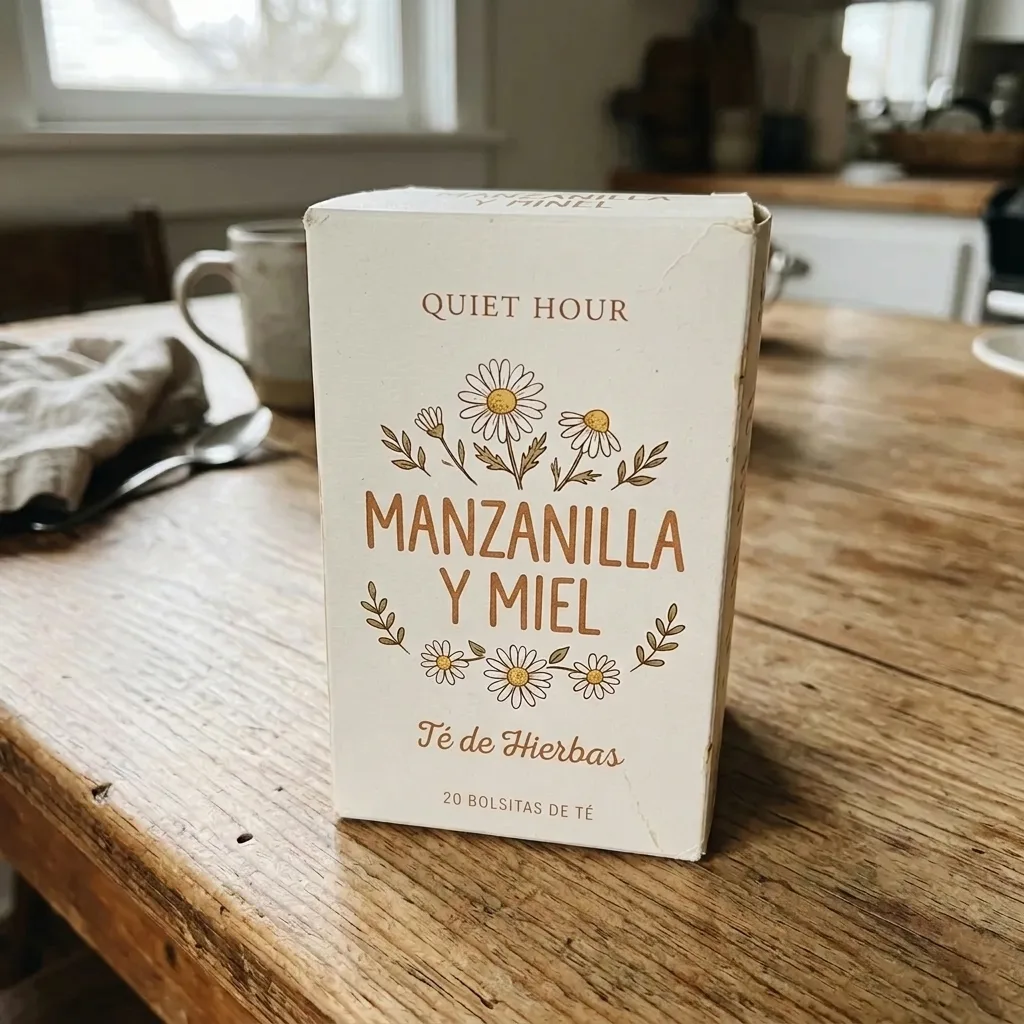
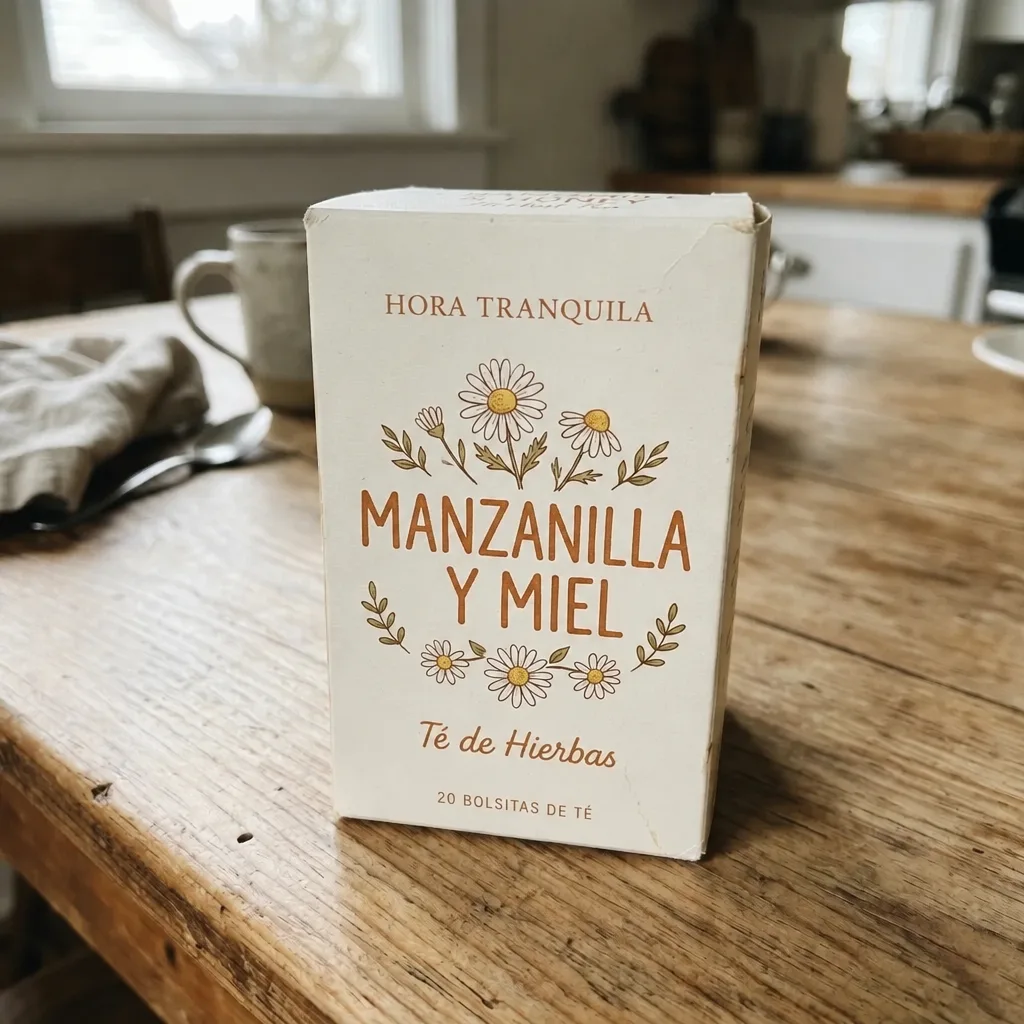
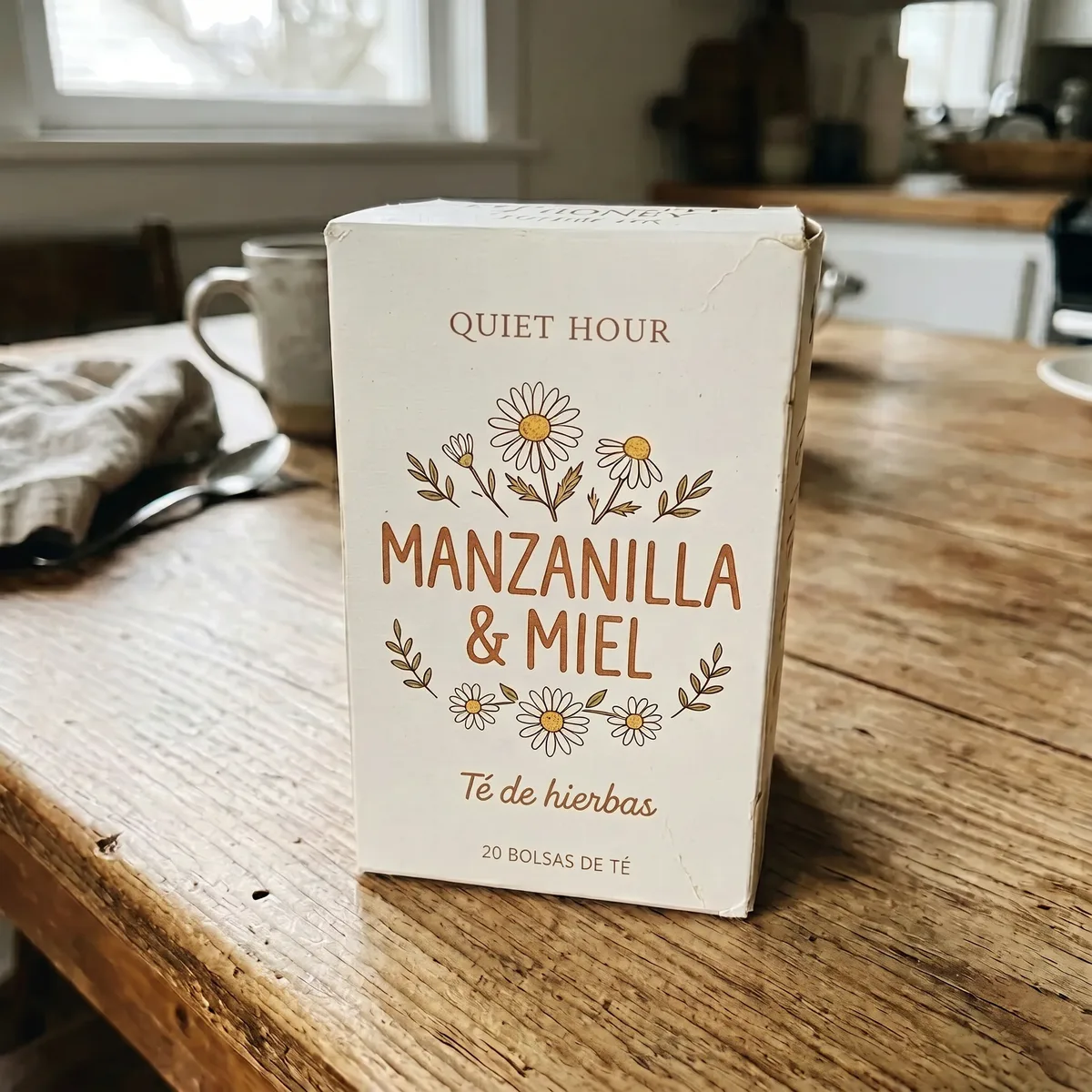
It left the brand name alone when translating
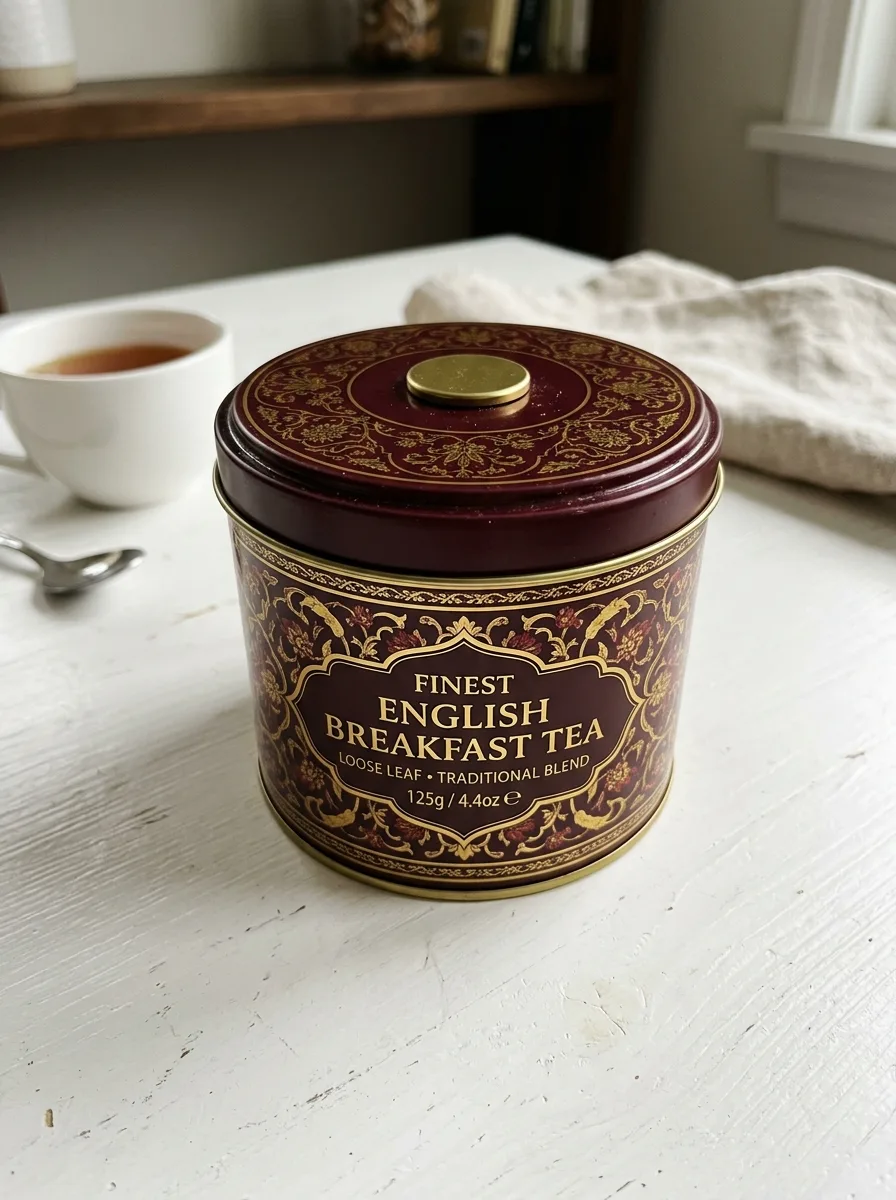
All three translated the tea box into Spanish. GPT Image 2.6 also translated the brand line at the top ("Quiet Hour" became "Hora Tranquila"); H3-Image kept it in English, as Nano Banana 2.1 did, and kept the ampersand in "Manzanilla & Miel".
Prompt: Translate the Text on Packaging
Original
Nano Banana 2.1
GPT Image 2.6
MiniMax H3-Image
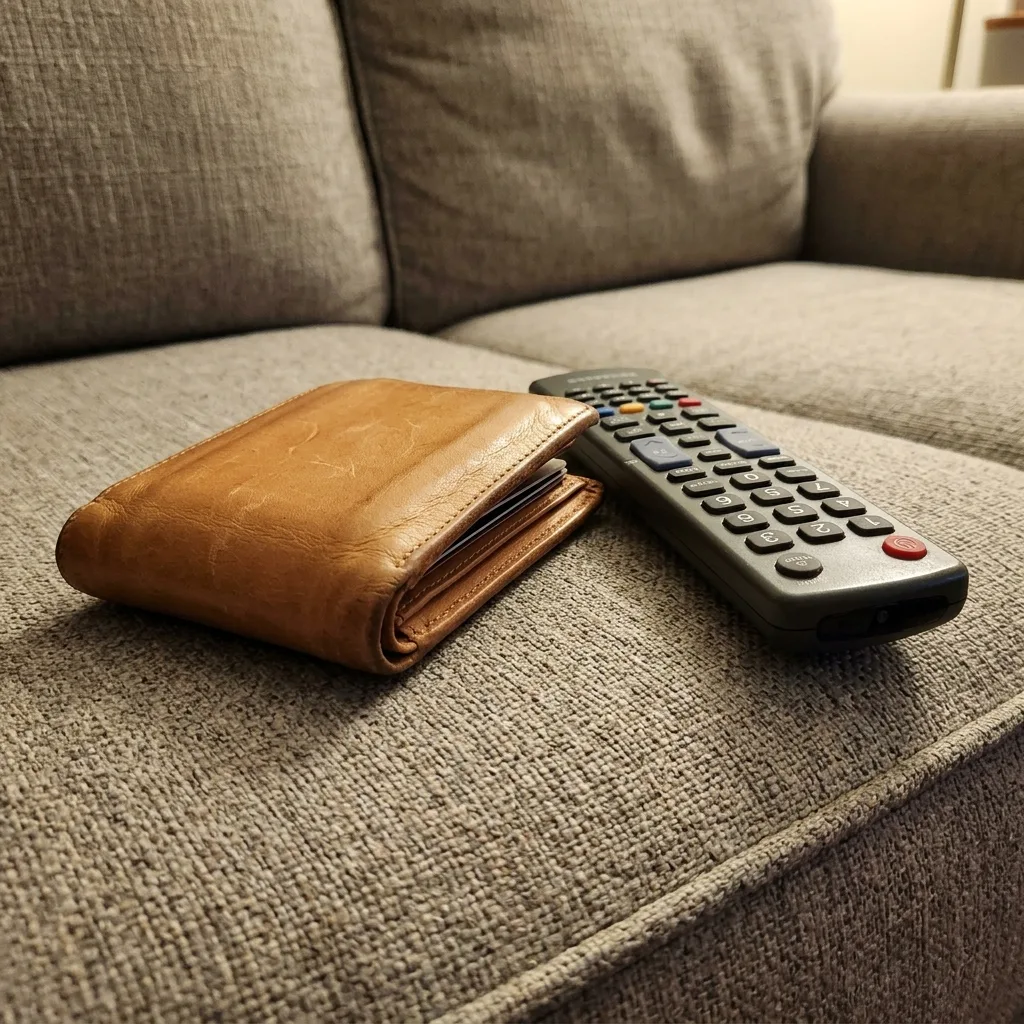
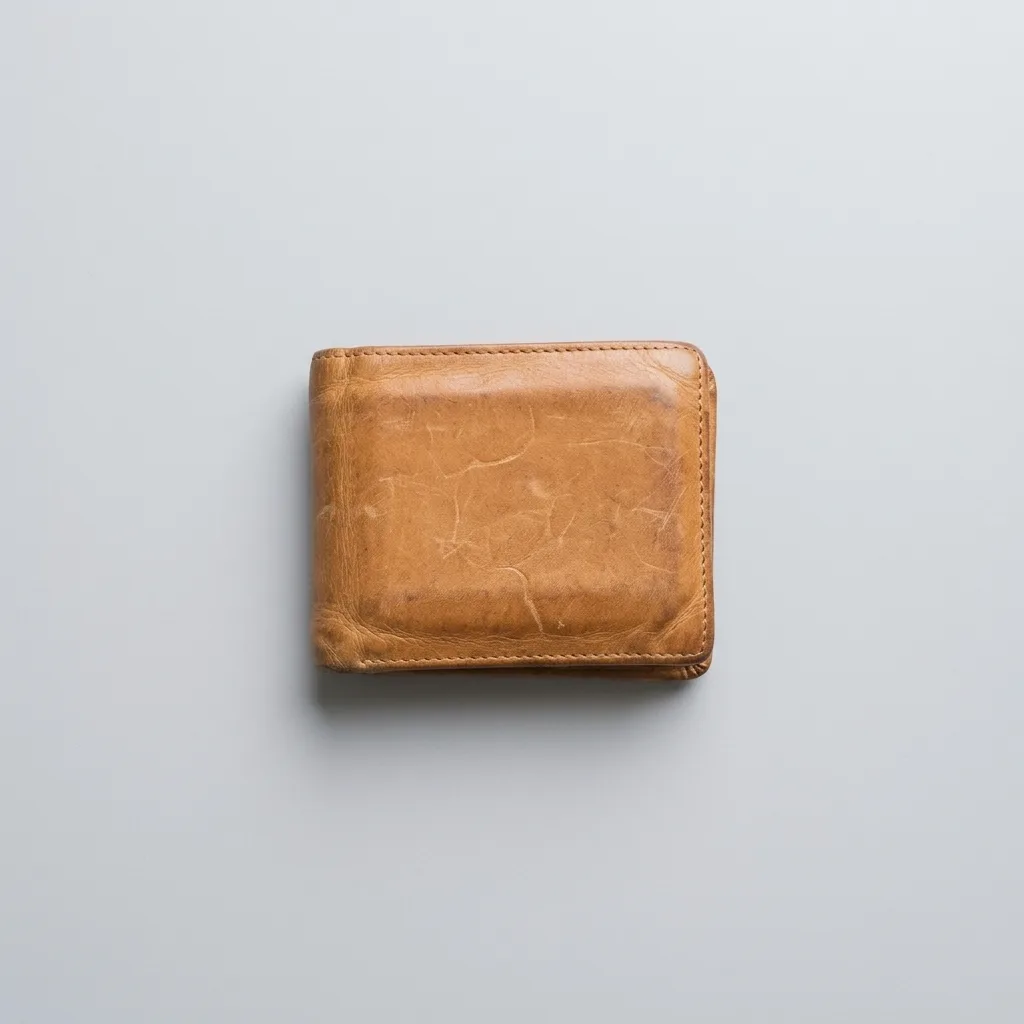
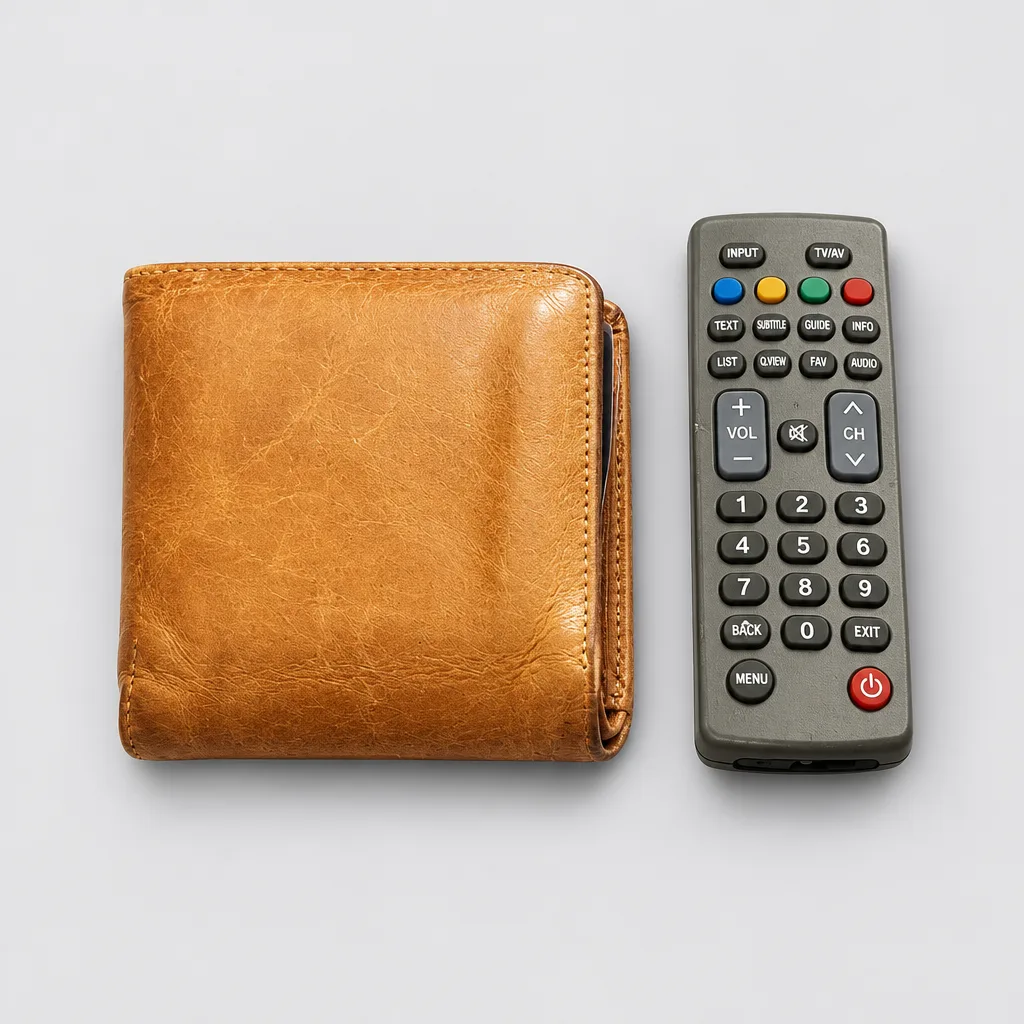
It left out what wasn't the product
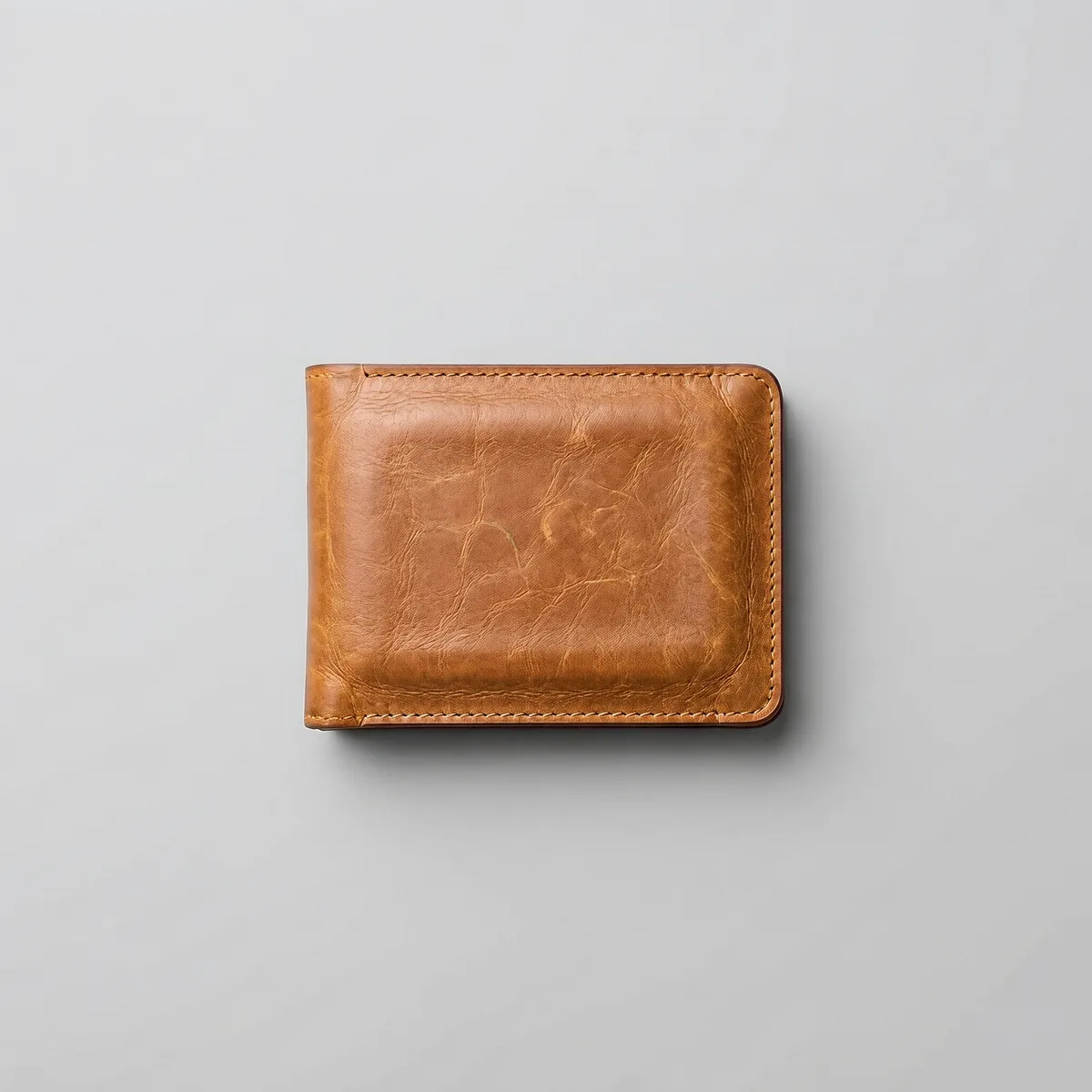
The original shows a wallet next to a TV remote. Asked for a flat lay of the product, H3-Image showed the wallet alone, like Nano Banana 2.1. GPT Image 2.6 laid the remote out too.
Prompt: Overhead Flat Lay on Light Gray
At 4K
We ran 6 prompts again at 4K (a white background shot, a sale poster, a business headshot, a bathroom scene, the tea box translation and the clay style). Each came back at about 16.8 megapixels, 4096 × 4096 for square photos and 3552 × 4752 for portrait ones, in 29 to 39 seconds; fal's own timing put the generation step at a median of 23 seconds. Each 4K image is a new generation rather than an upscale of the 2K one: the shampoo label stayed teal at 4K though it went black at 2K, and the headshot came back with a different face again. Small type such as "20 bolsas de té" on the tea box was sharp at both sizes.
Which model for which job
Based on these 48 runs, one per prompt.
- Product photos: white background, scenes, seasonal sets
- Any of the three. H3-Image did these as well as the others at about half Nano Banana 2.1's price, but check text colors and the product's size in the scene.
- Large files for print or zoom
- H3-Image gives about 16 megapixels for $0.074, against $0.121 for Nano Banana 2.1 at a similar size. GPT Image 2.6 tops out at about 8 megapixels.
- Anything with a person's face
- Nano Banana 2.1 or GPT Image 2.6. H3-Image changed the face in two of our portrait edits.
- Edits limited to a brushed area
- Nano Banana 2.1 or GPT Image 2.6. H3-Image has no mask input; sending the mask as an extra image worked here, but it is a workaround.
- Looping GIFs from a photo
- GPT Image 2.6, the only one of the three that makes them.
All 48 results
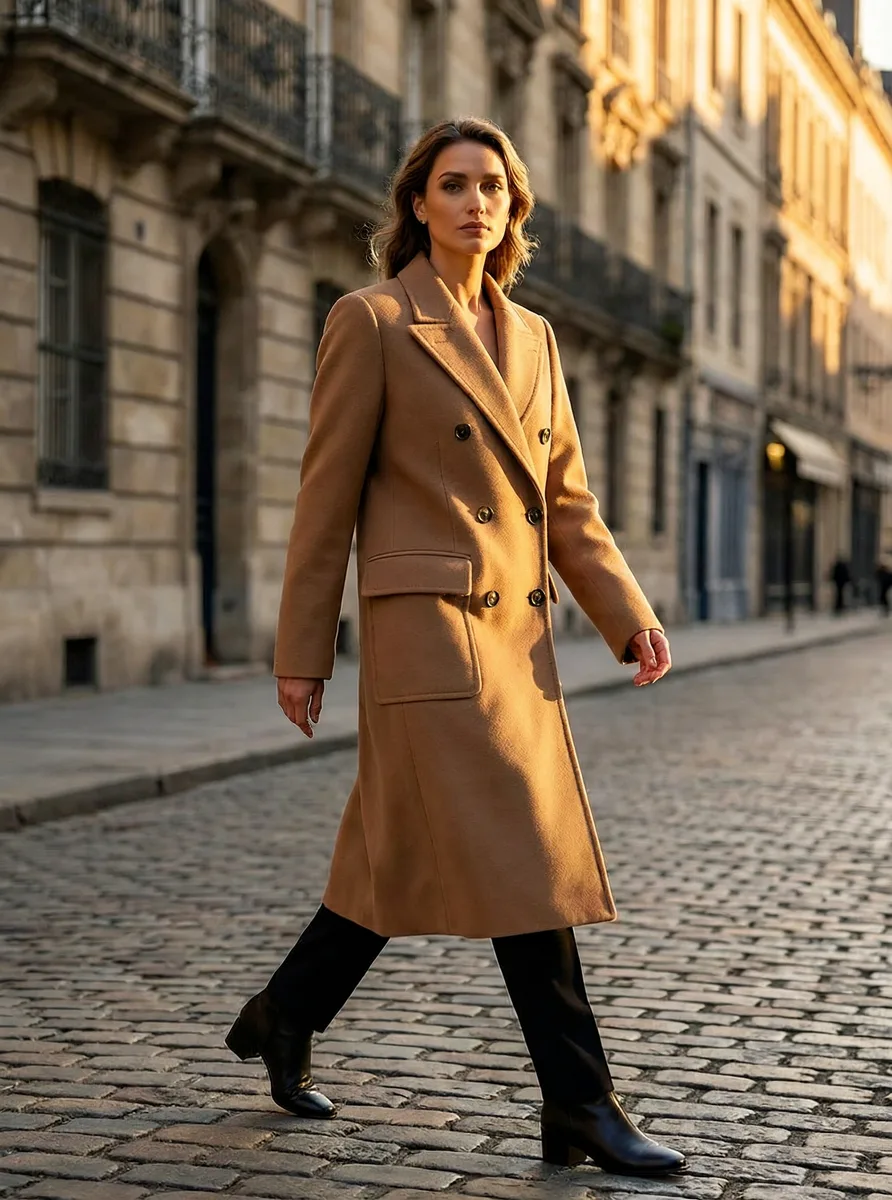
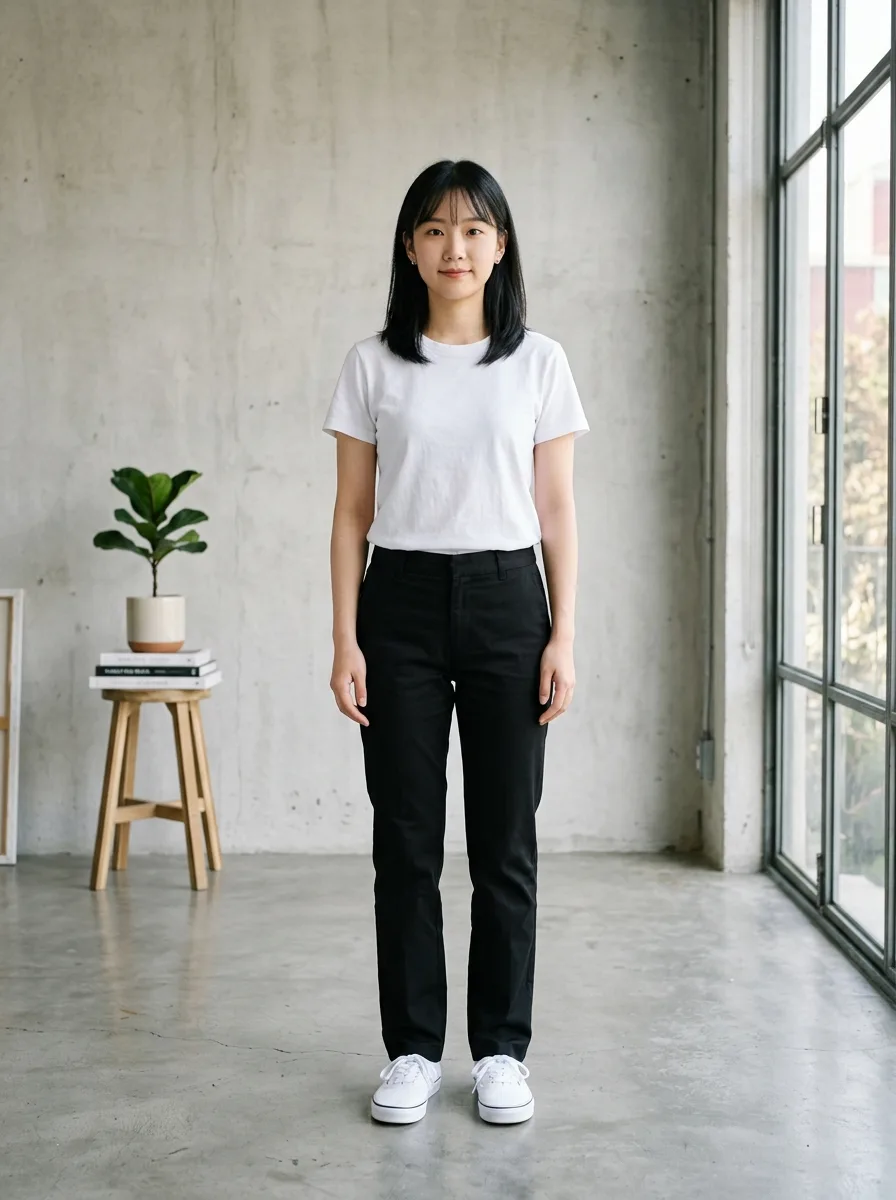
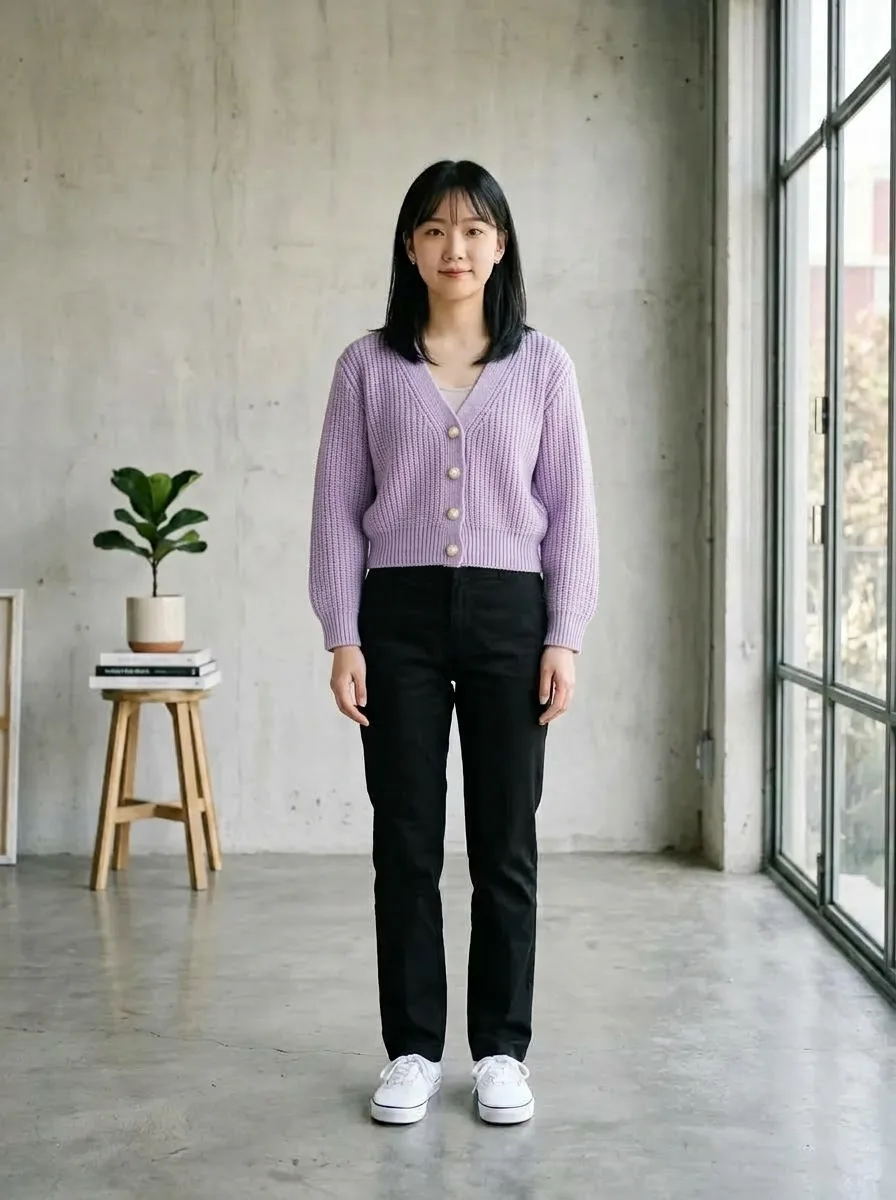
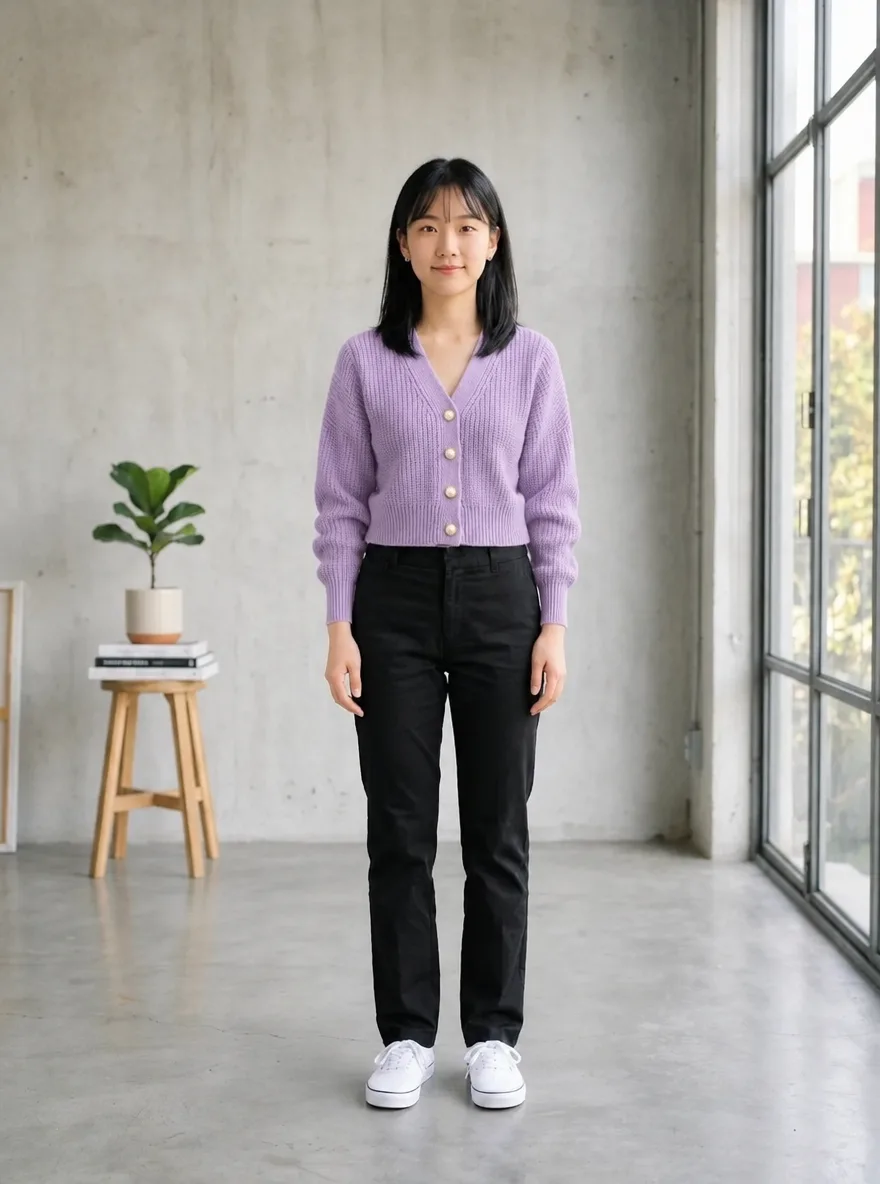
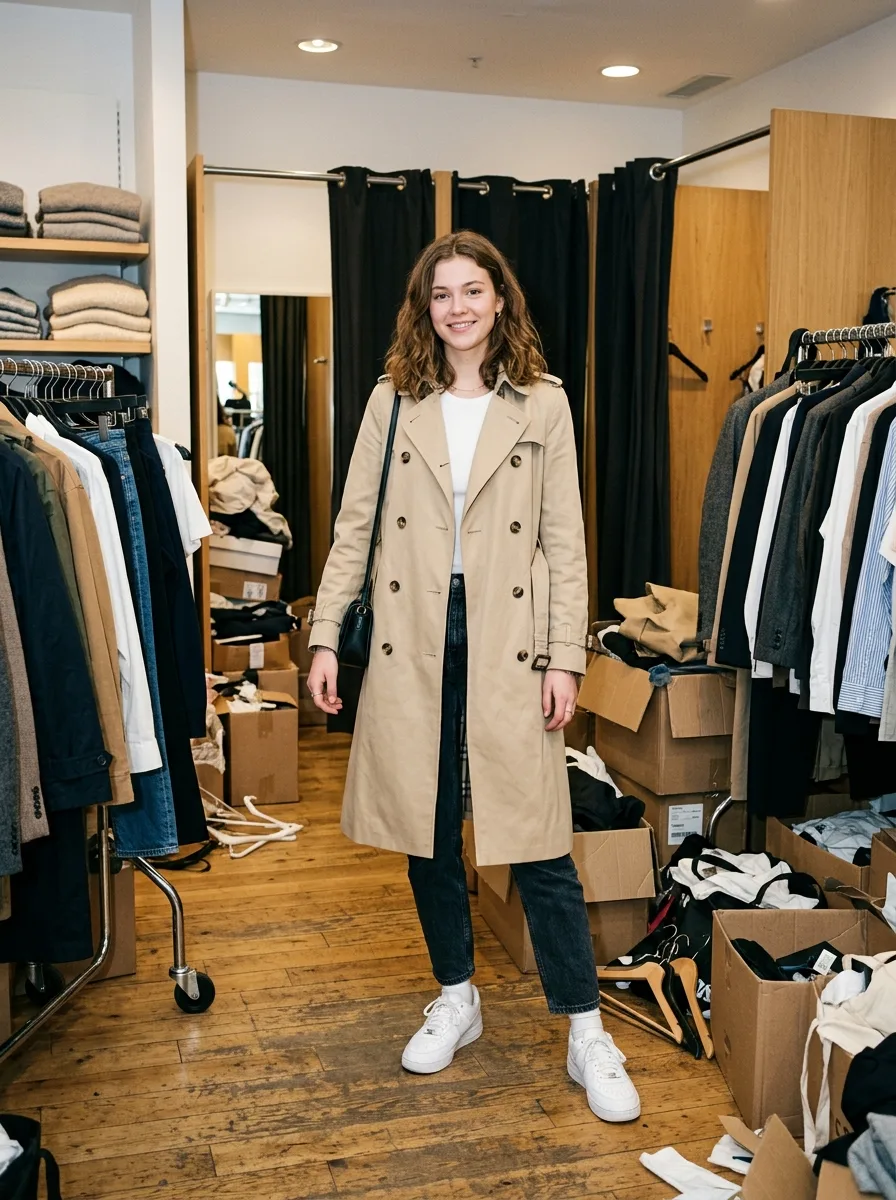
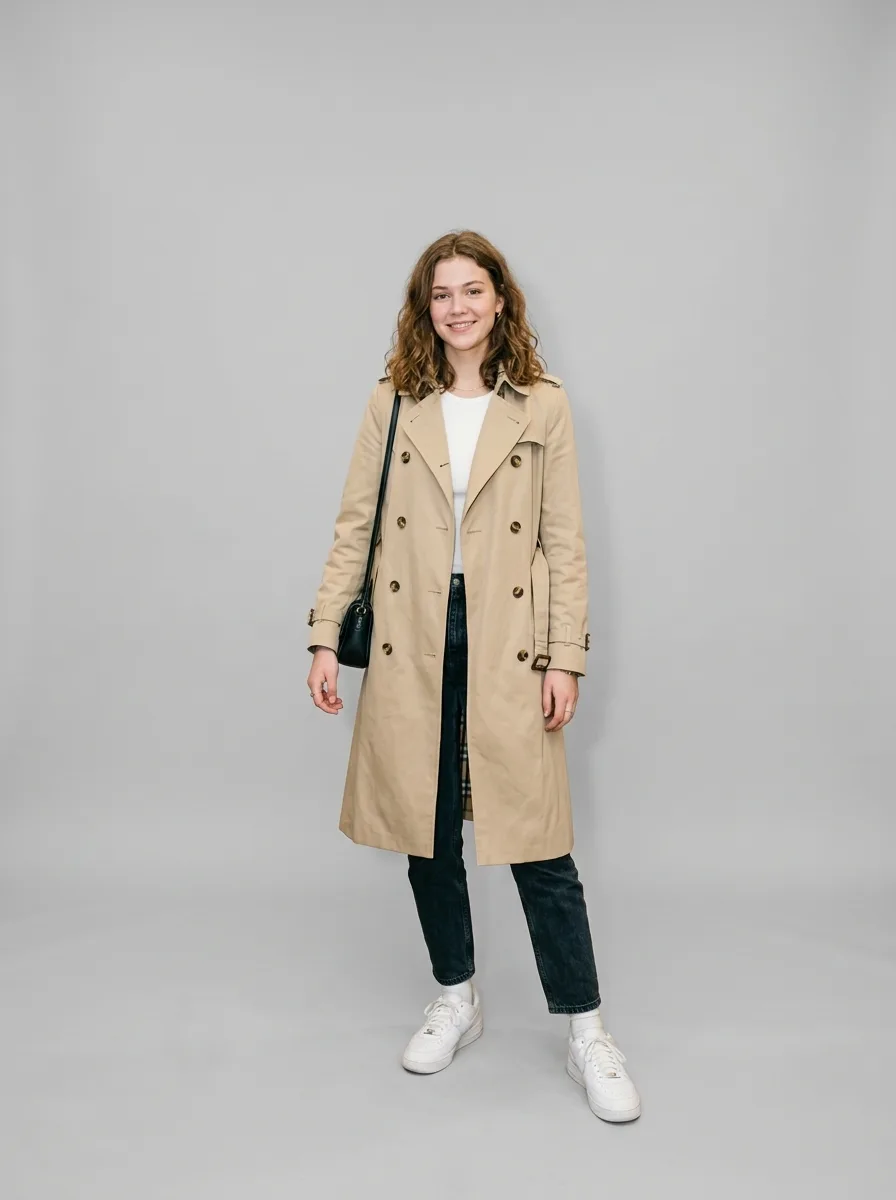
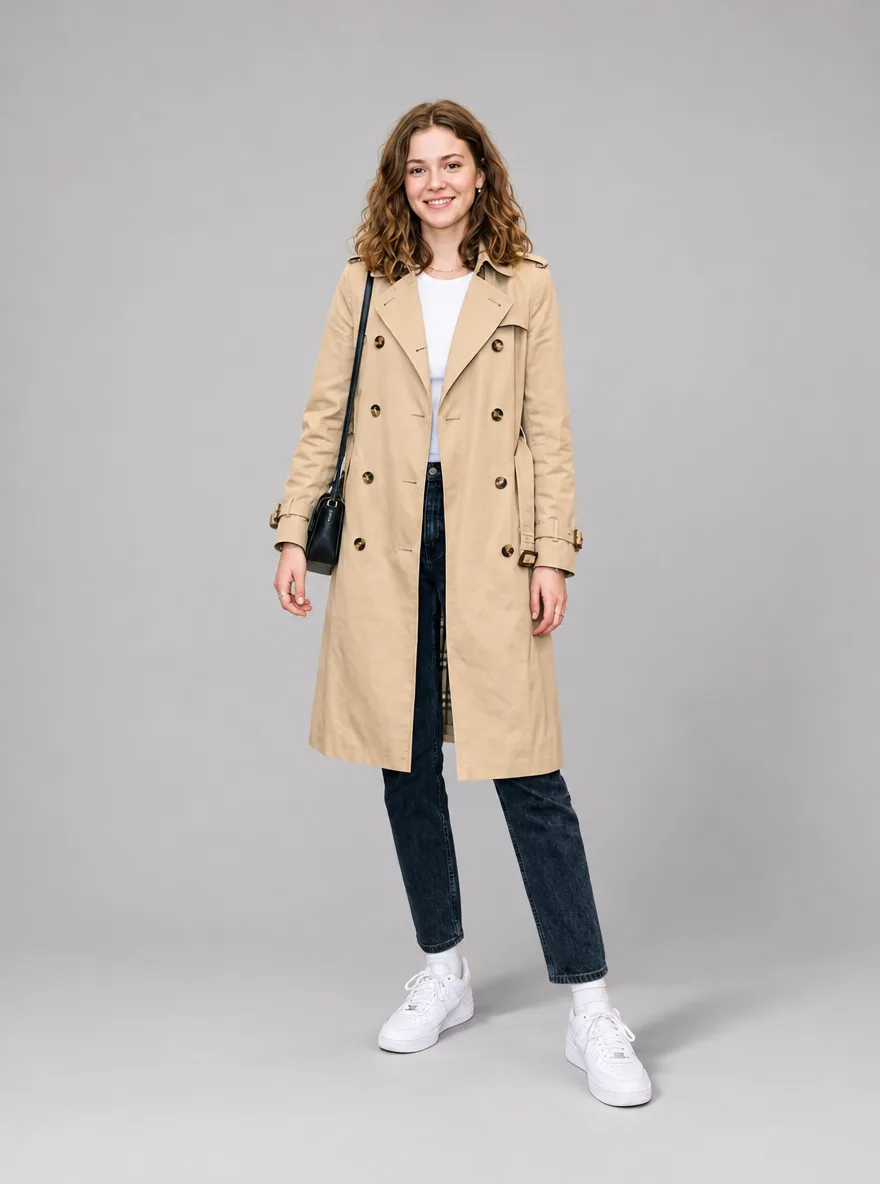
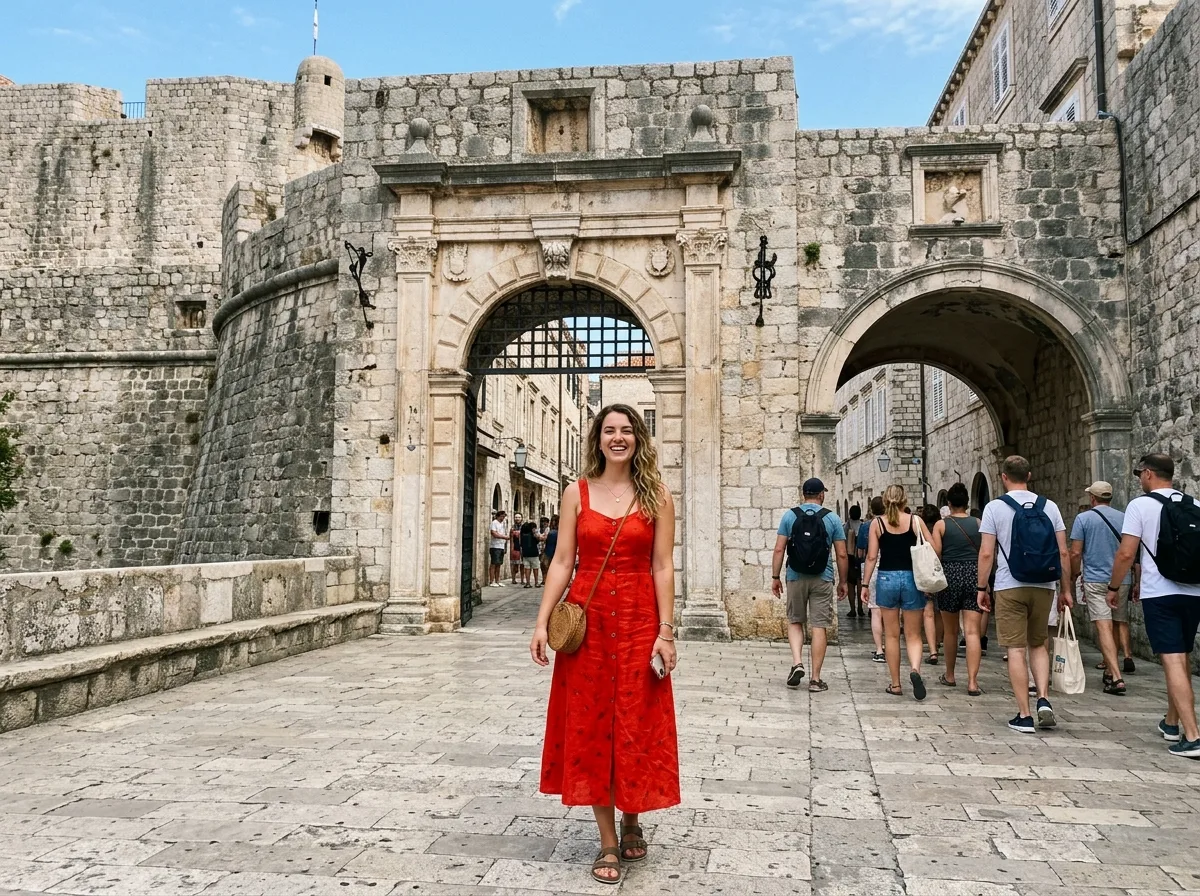
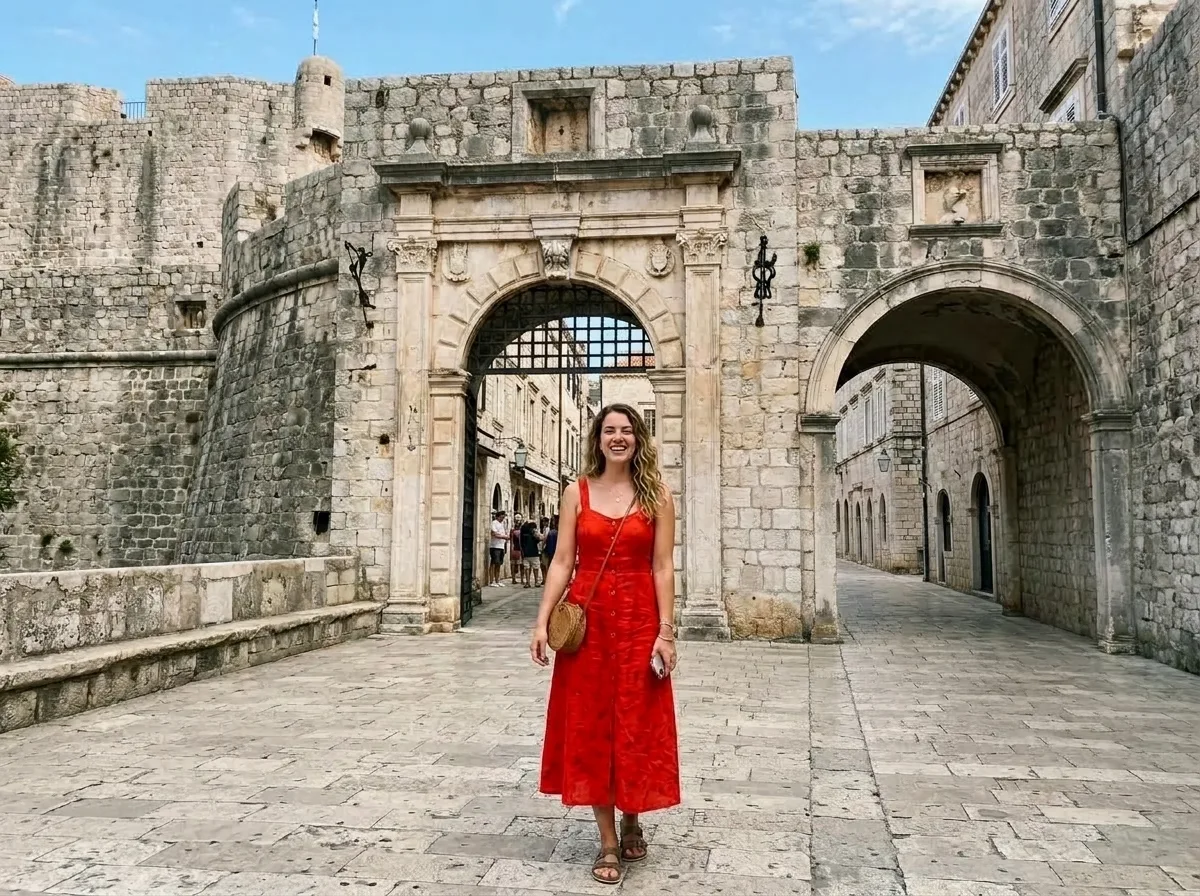
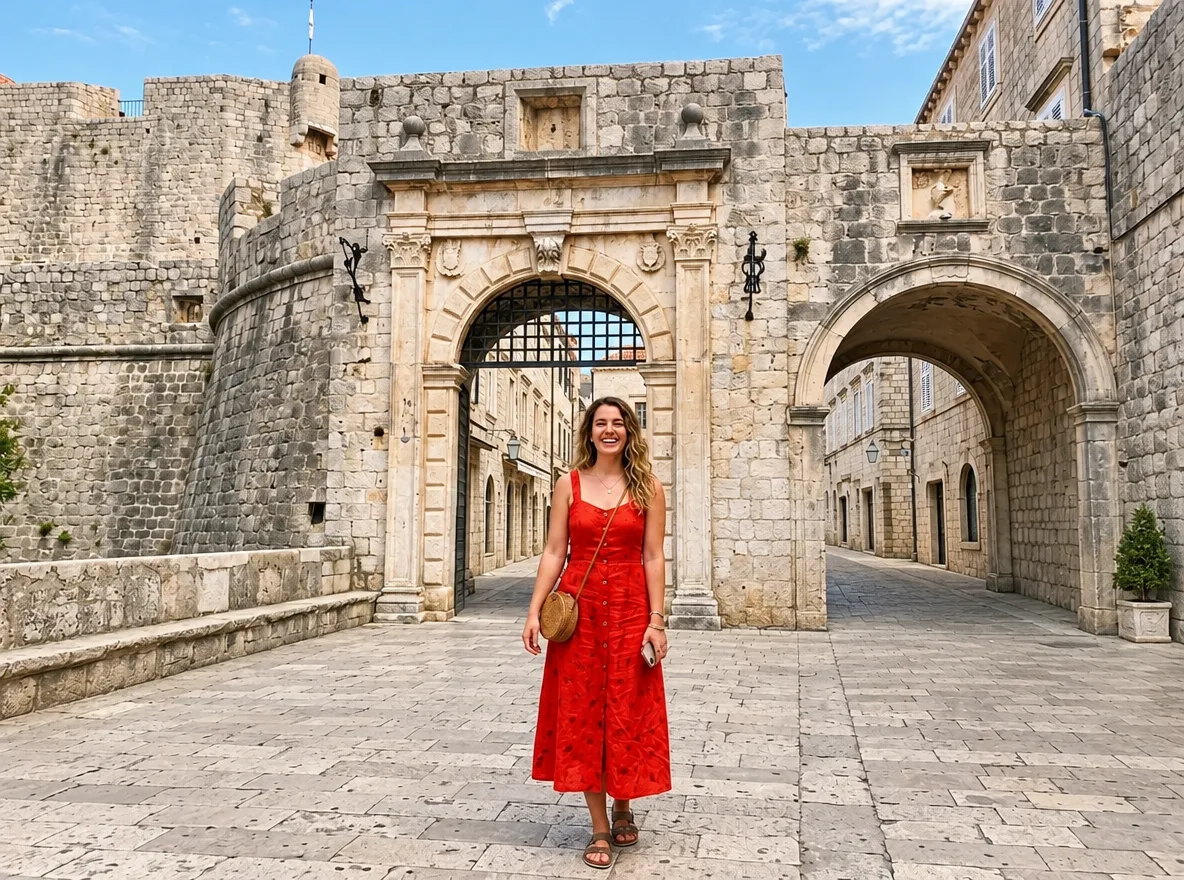
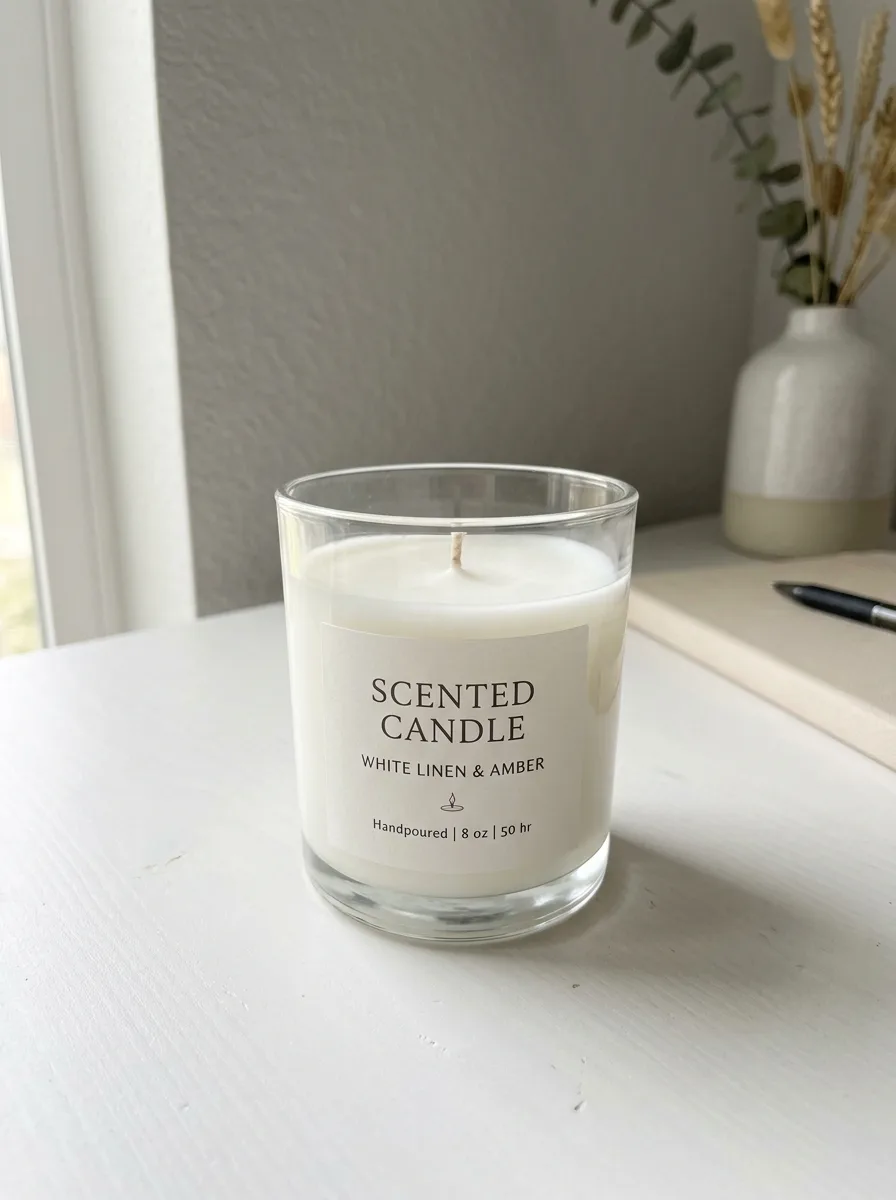
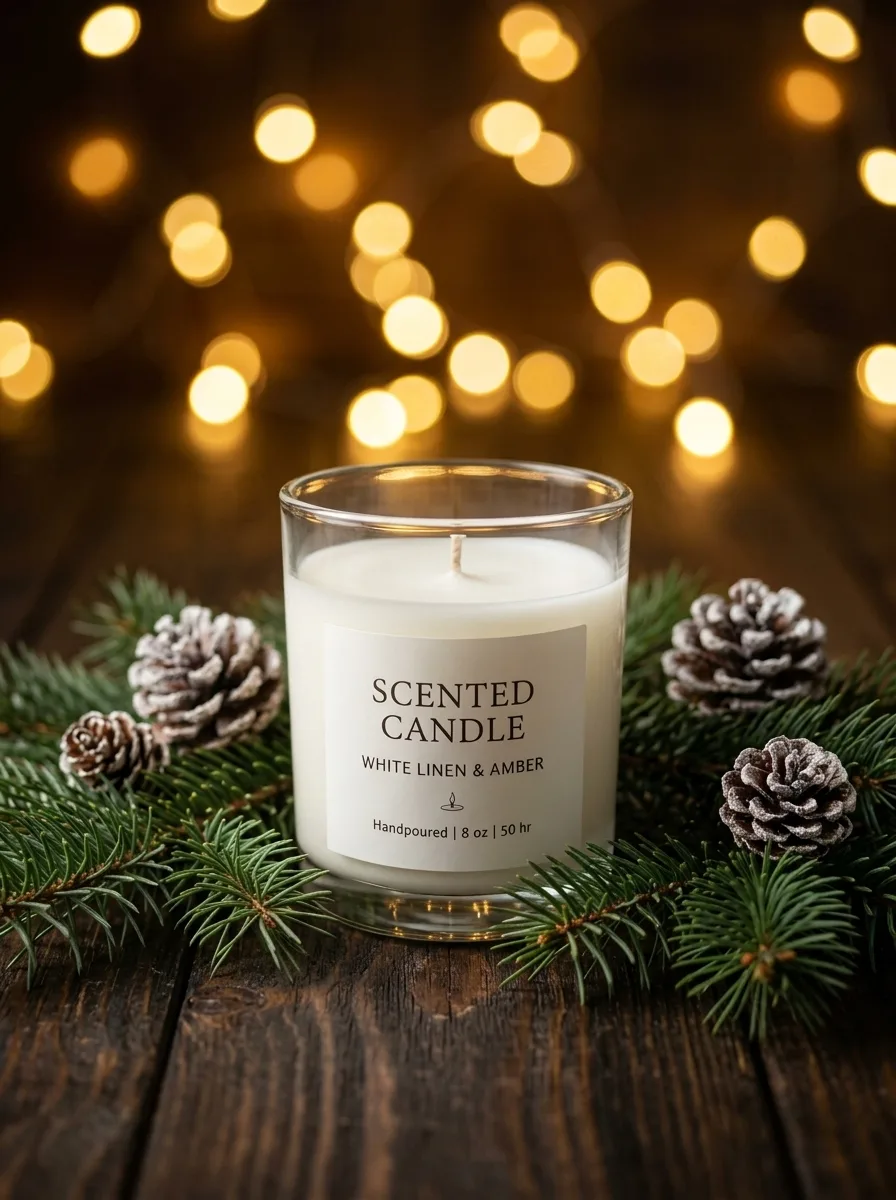
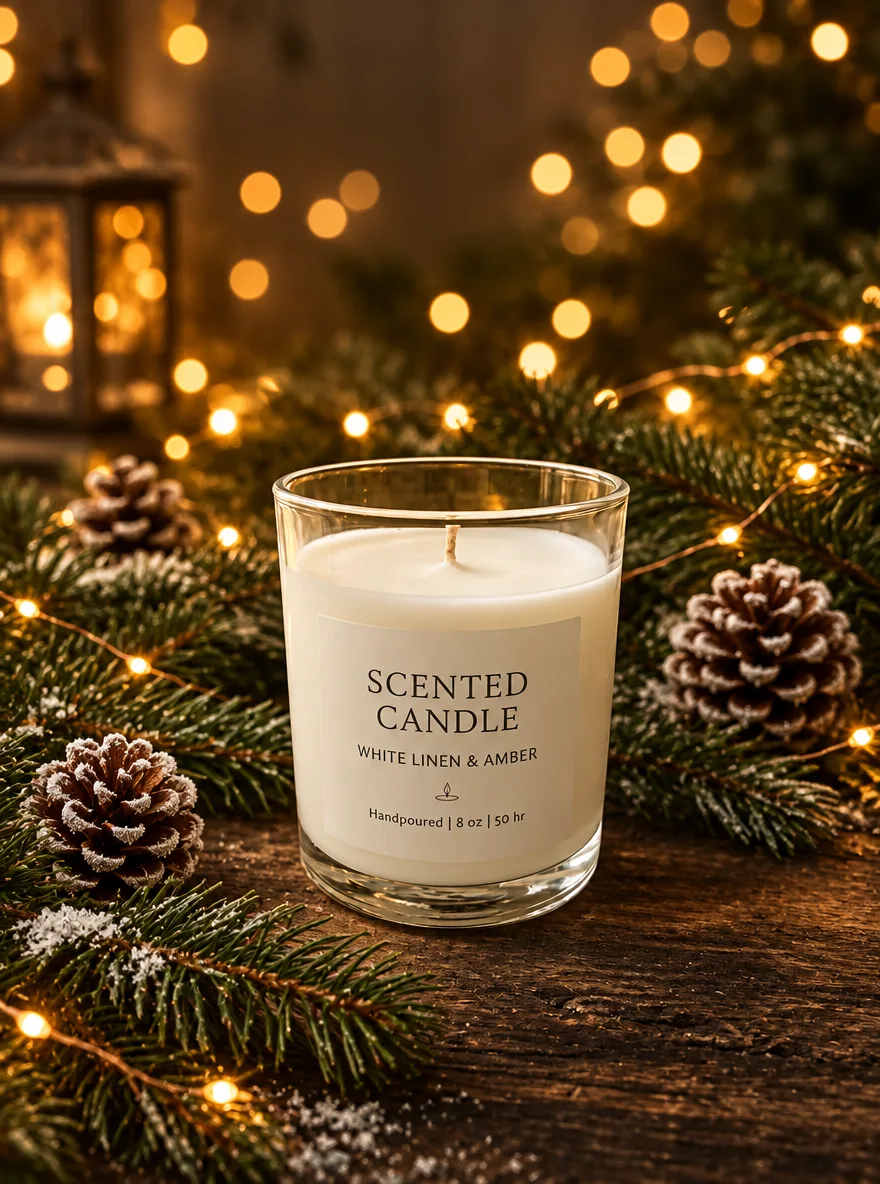
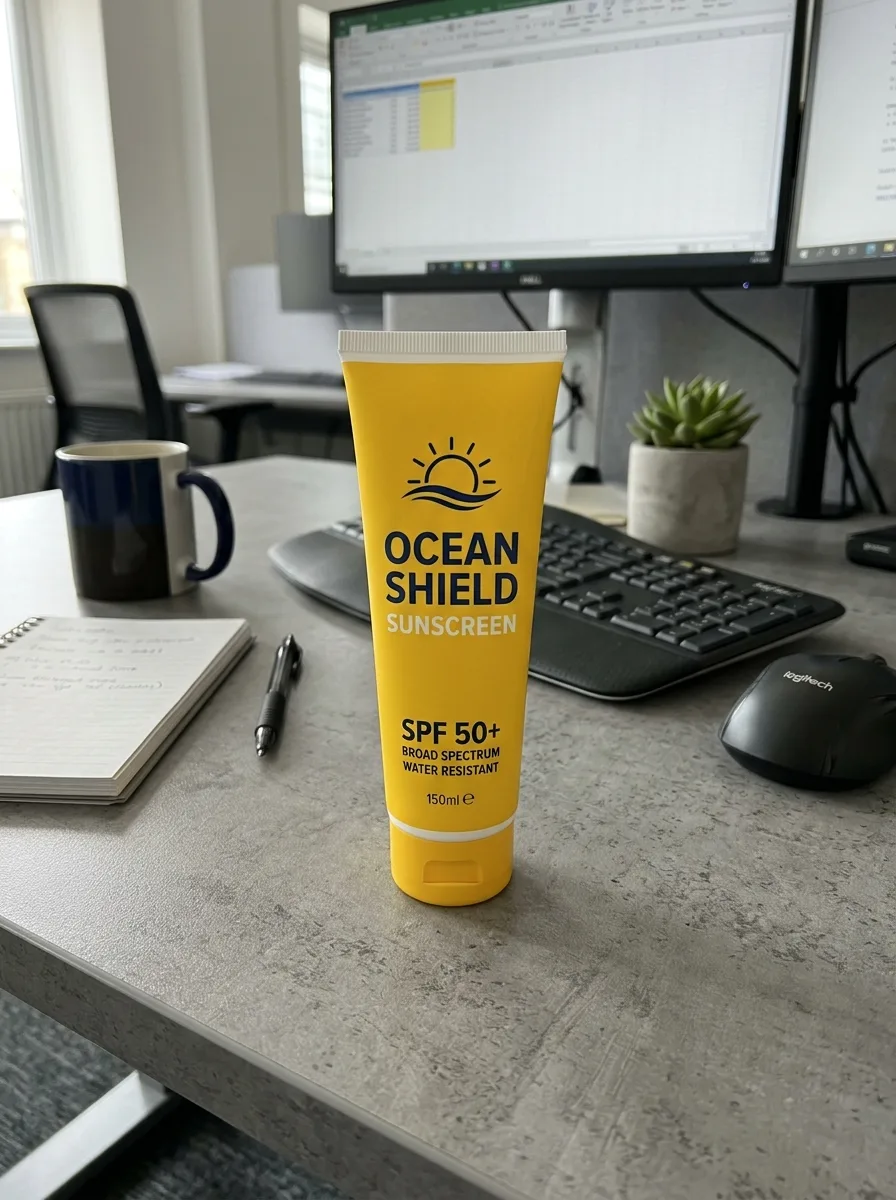
Original, Nano Banana 2.1, GPT Image 2.6 and MiniMax H3-Image for every prompt. Click an image for the larger file, or a title for the prompt.
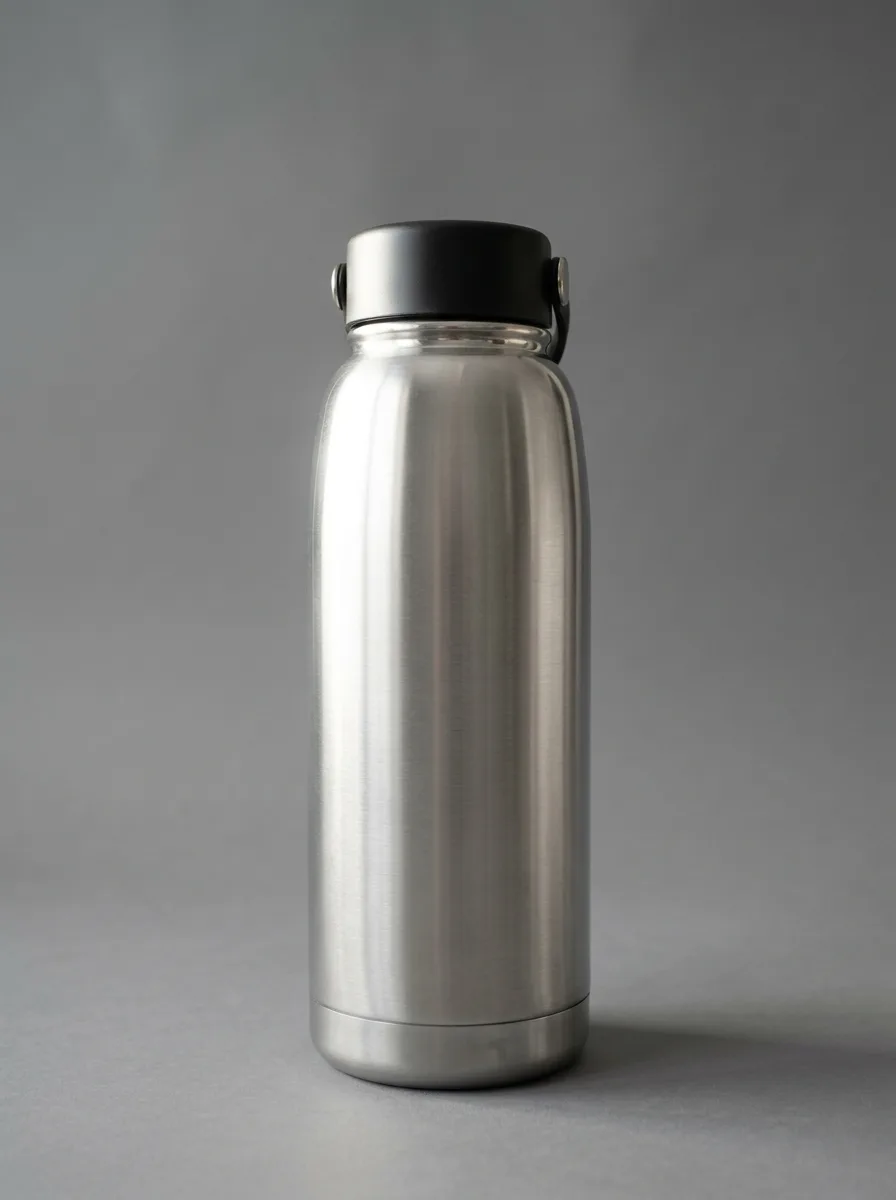
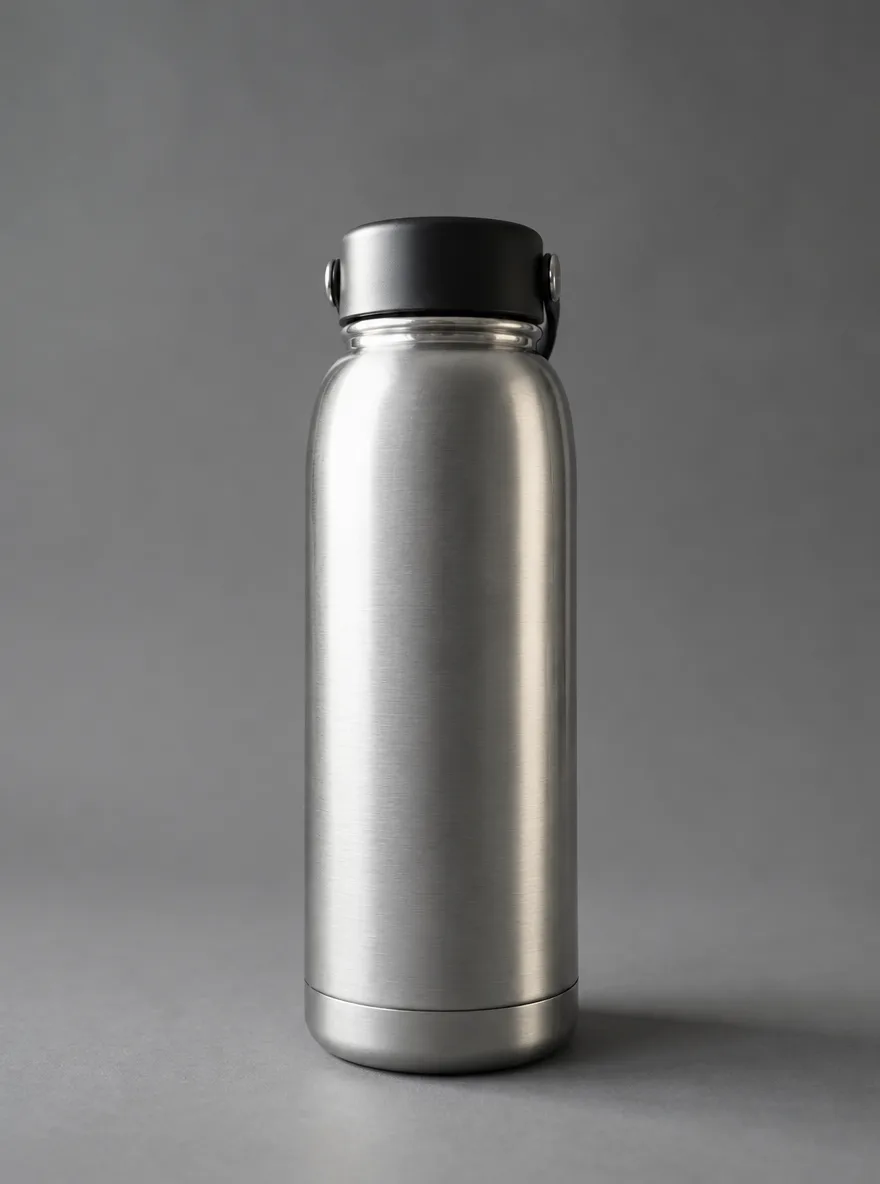
Pure White Marketplace Packshot
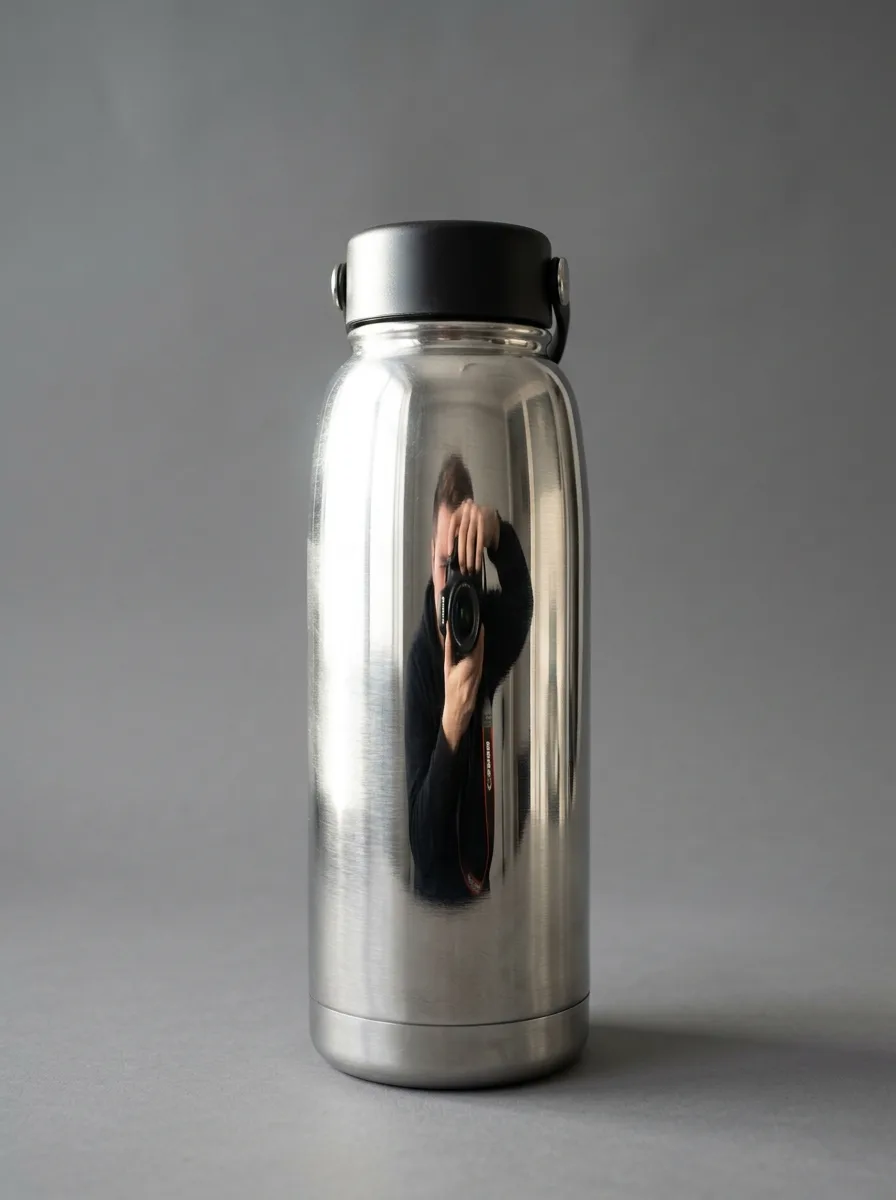
Black Acrylic Mirror Reflection
Floating Hero Shot
Overhead Flat Lay on Light Gray
Three-Quarter Catalog Angle
Material Close-Up for Detail Images
Preview Colorways Side by Side
Change the Name on a Product Label
Translate the Text on Packaging
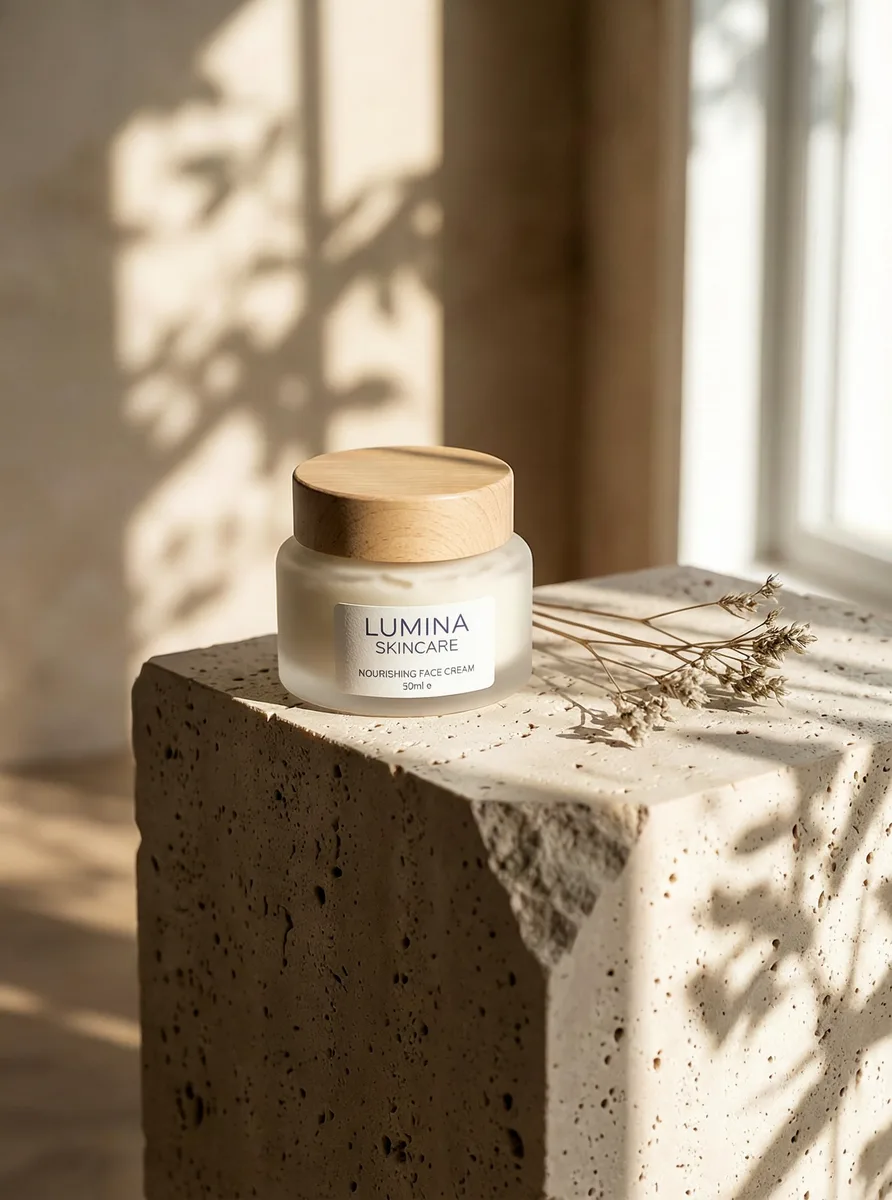
Travertine Block in Morning Light
Marble Vanity with Water Droplets
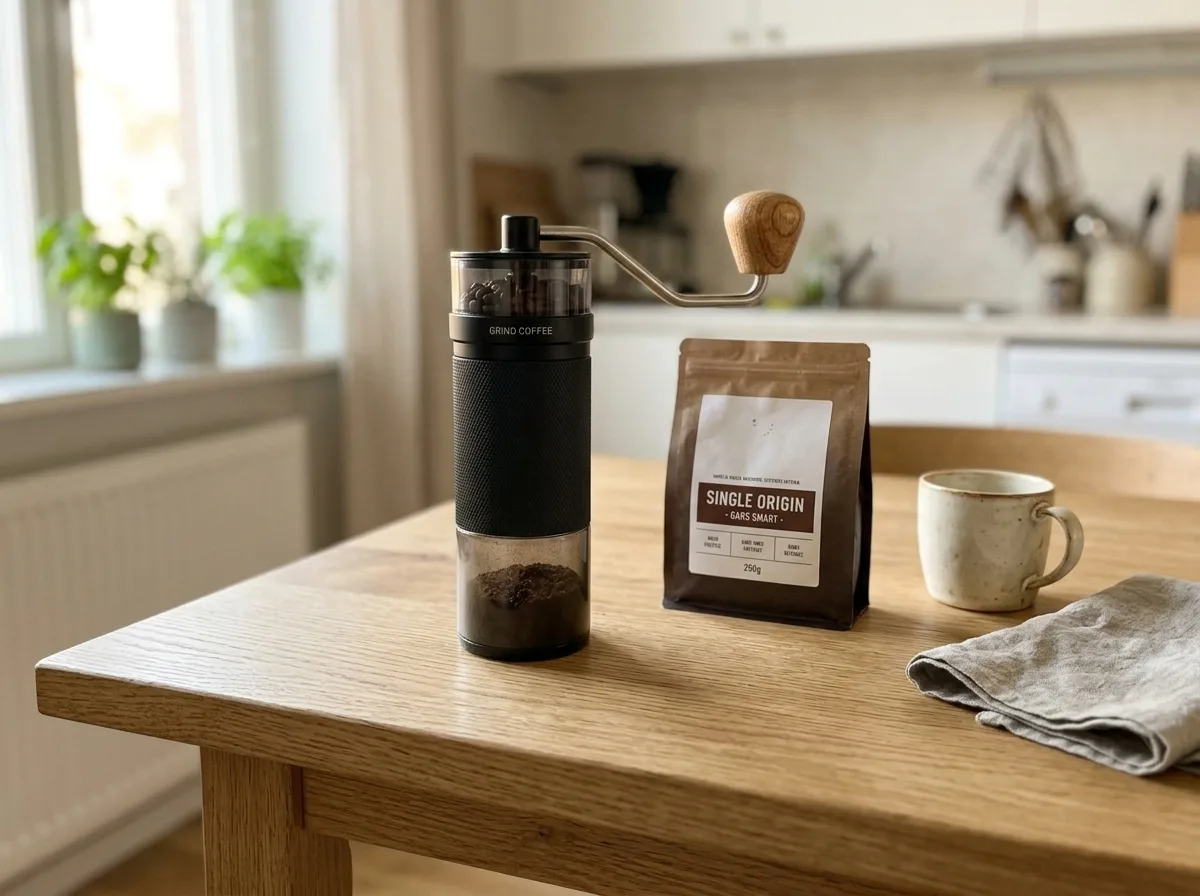
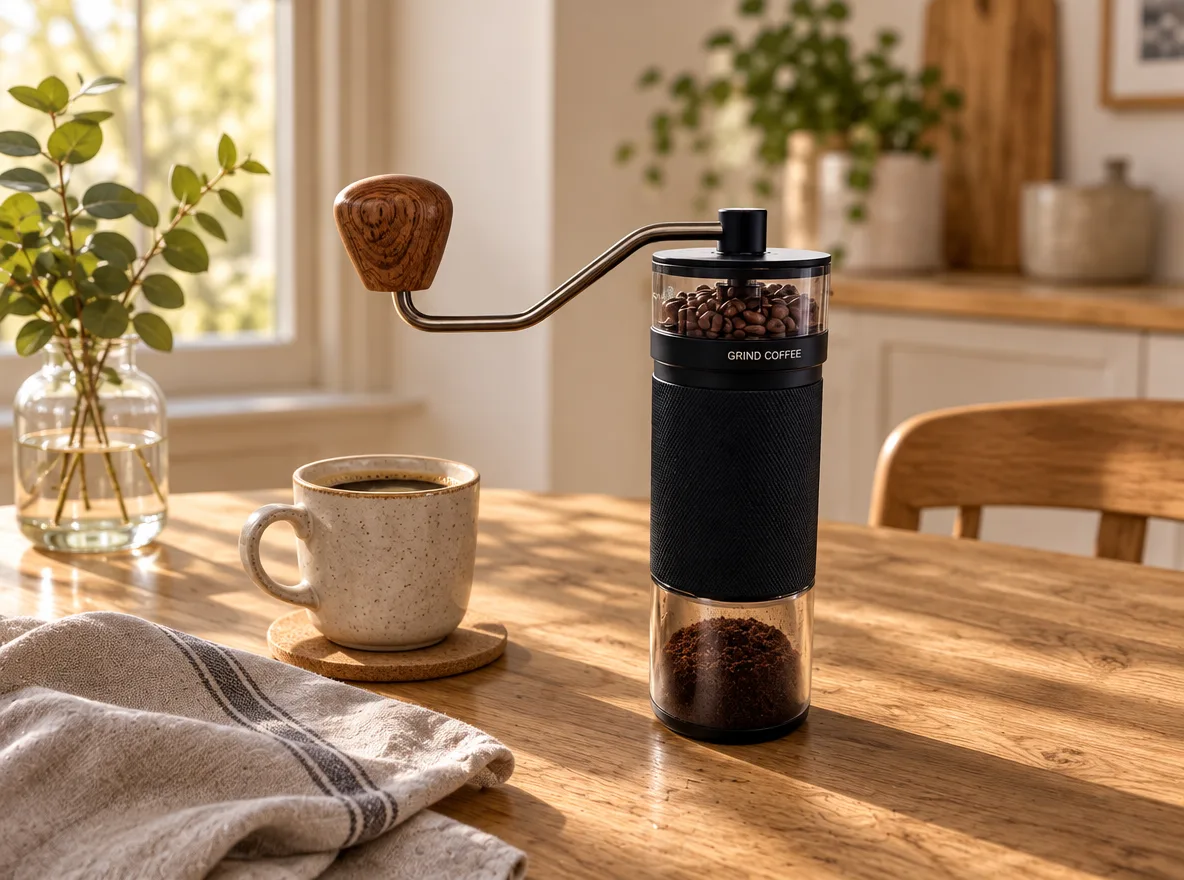
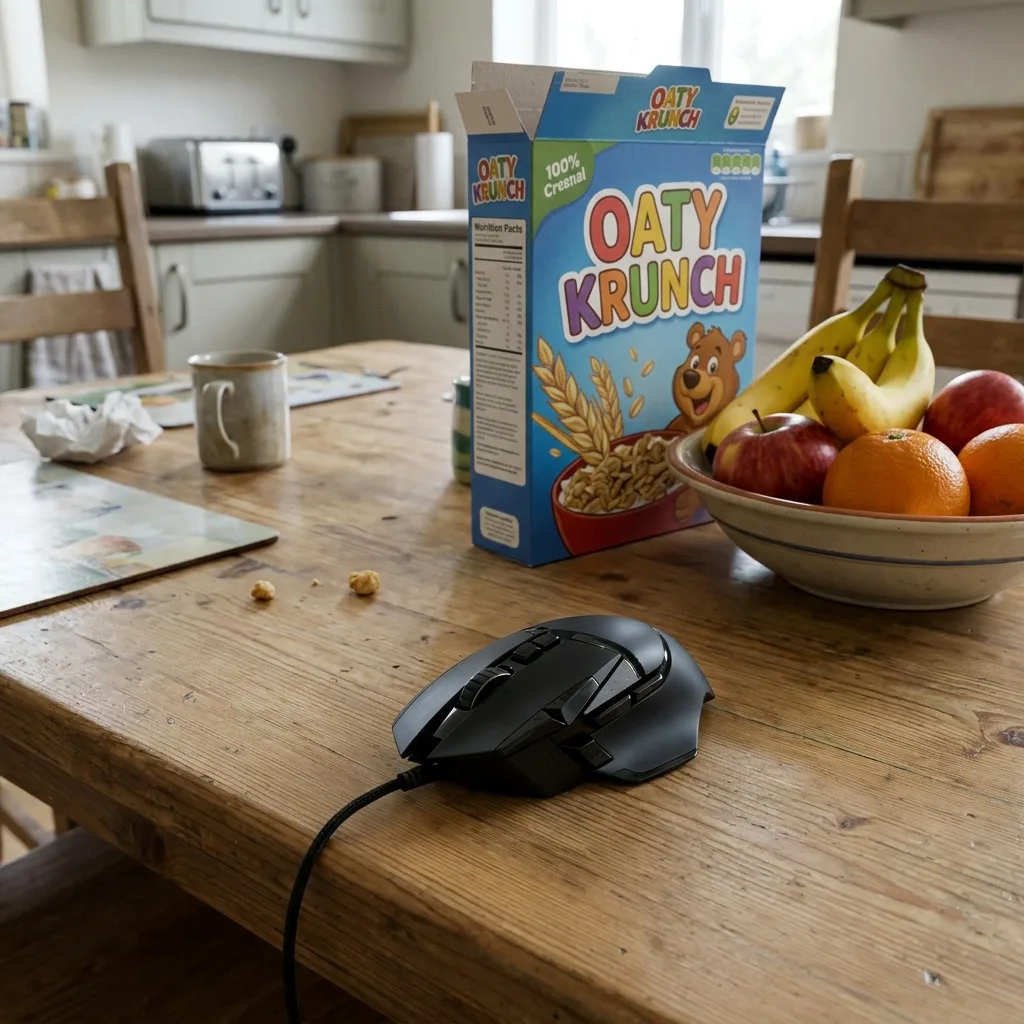
Oak Table with Kitchen Props
Concrete Podium, Tech Style
Bright Modern Living Room
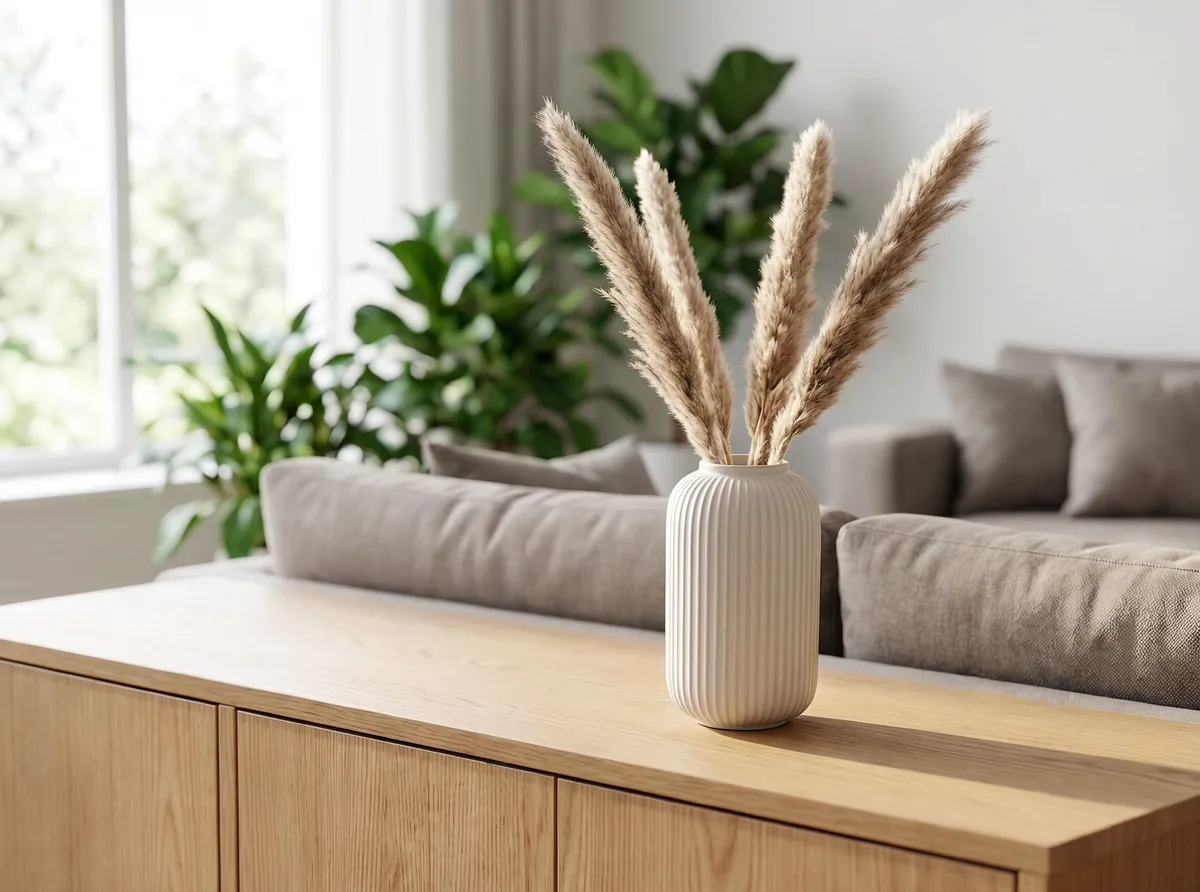
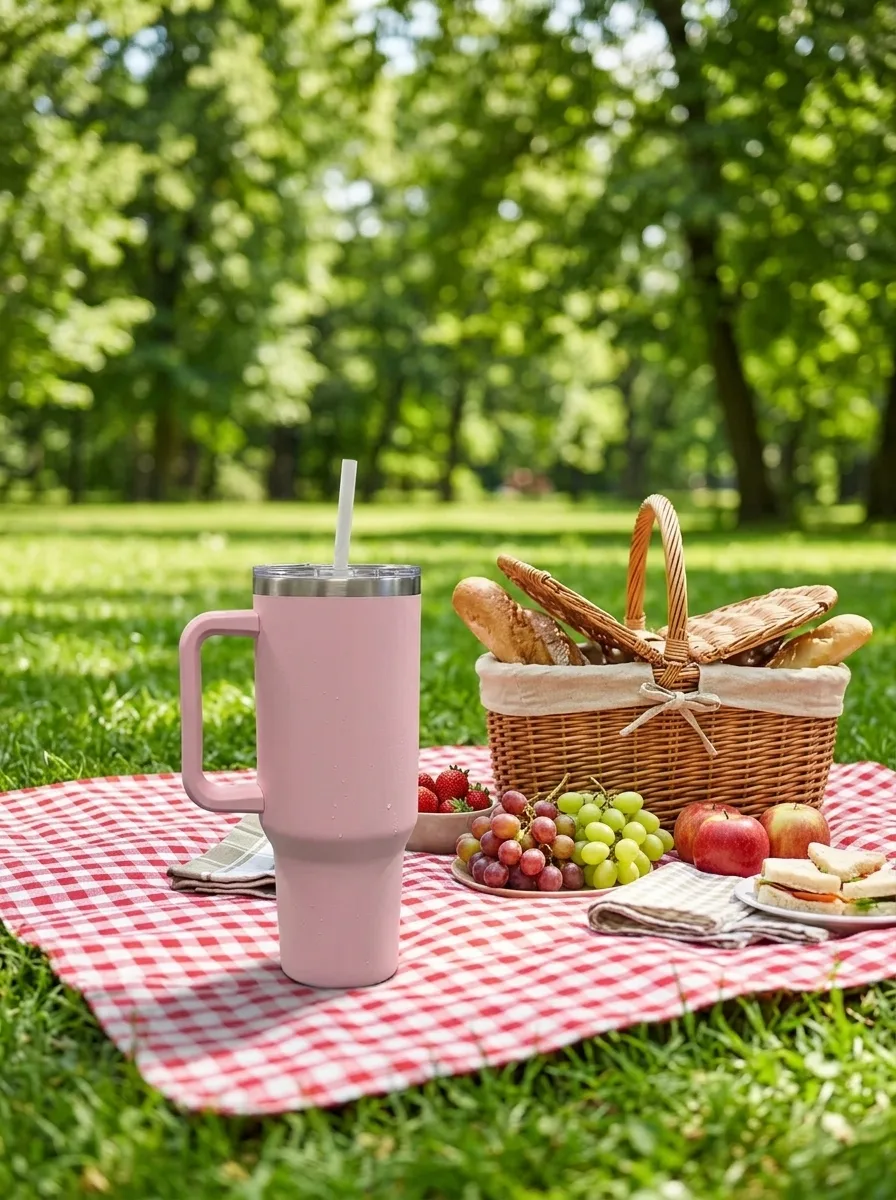
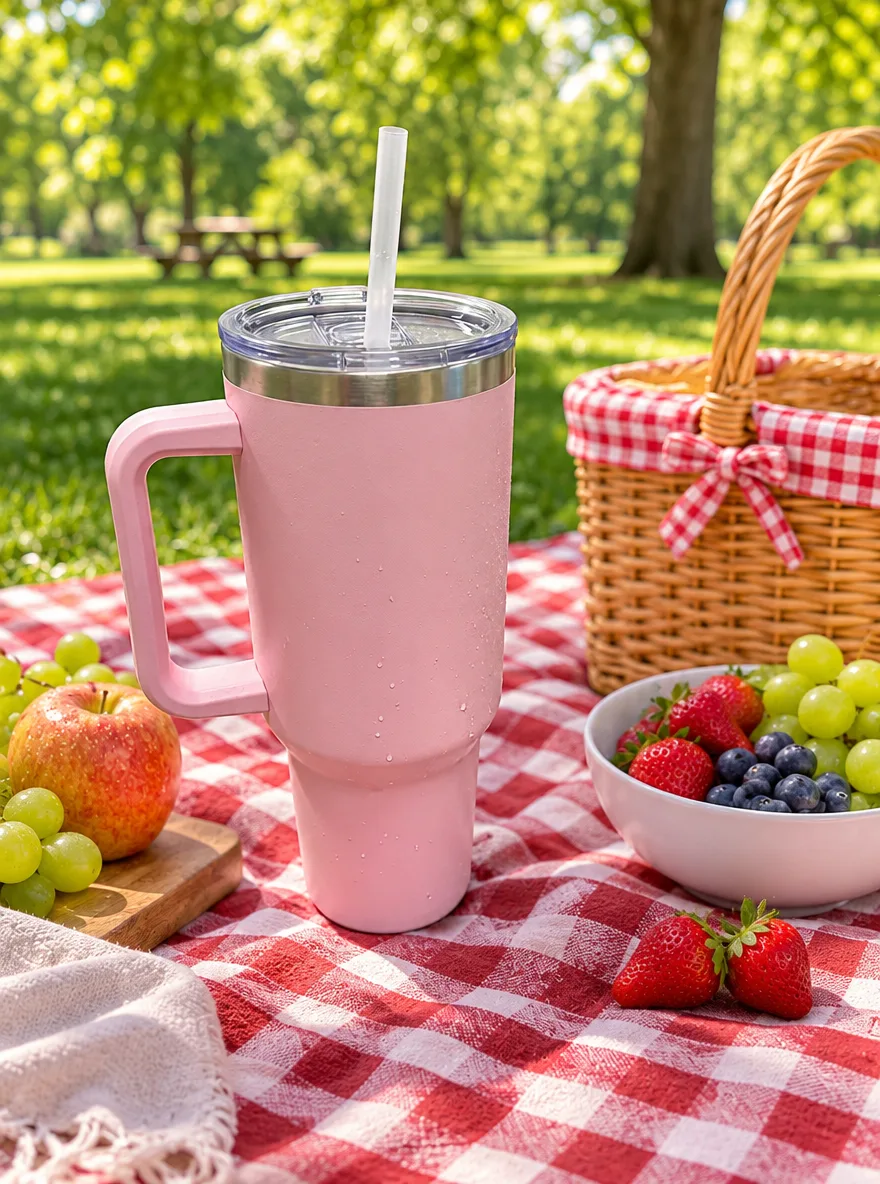
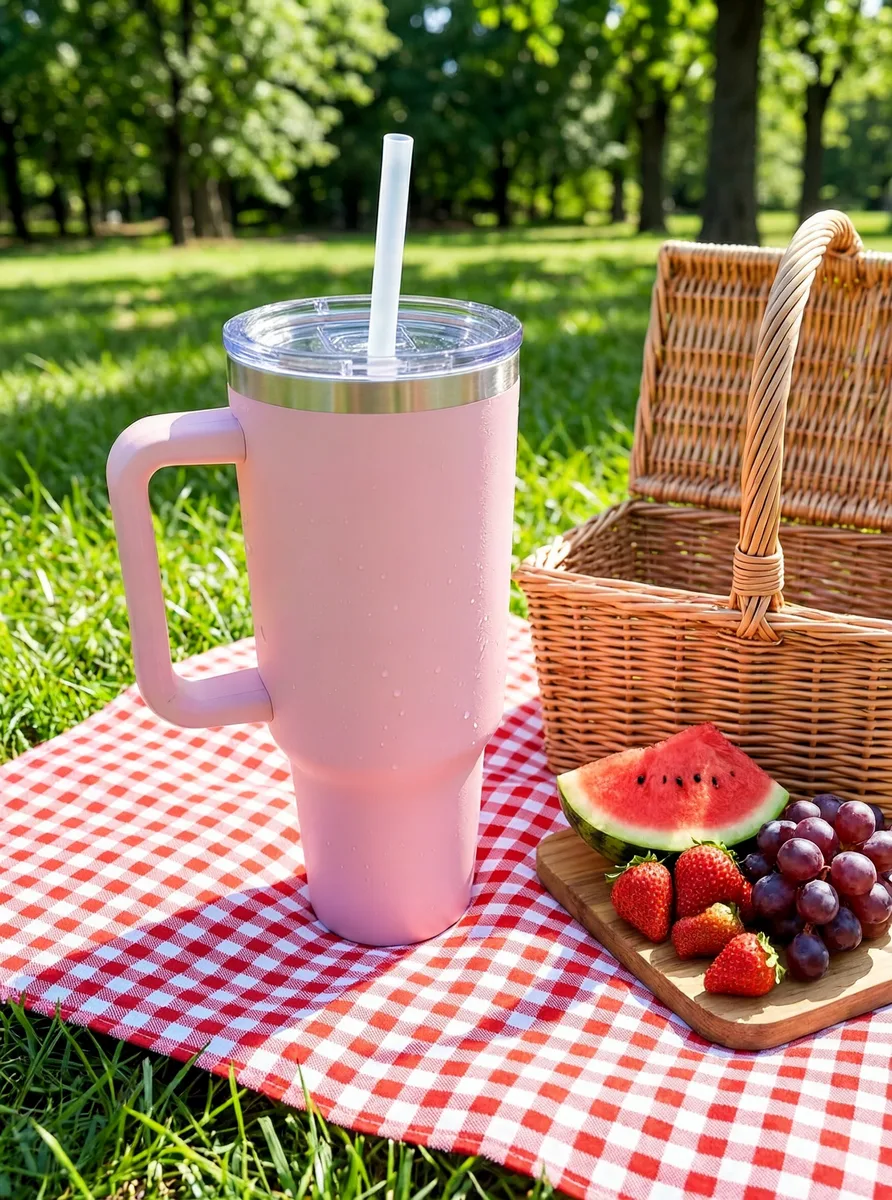
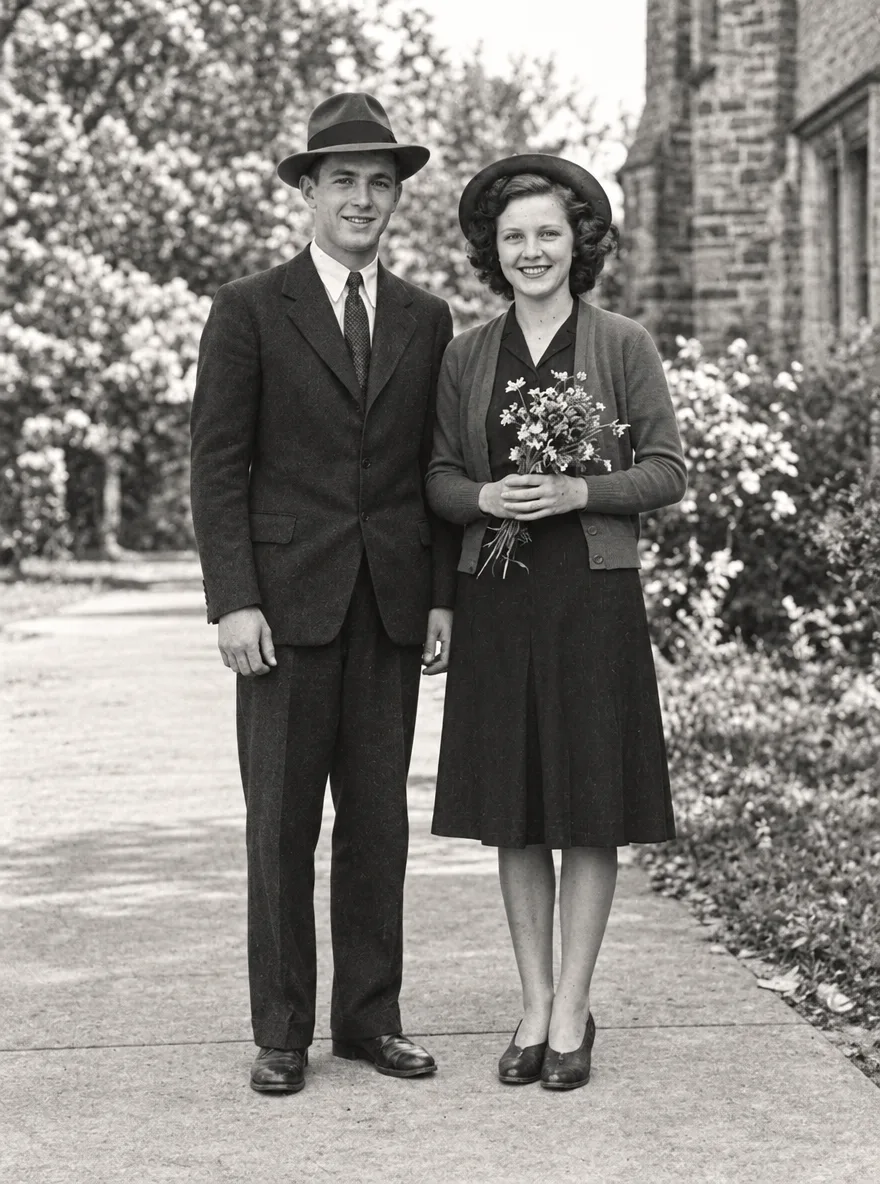
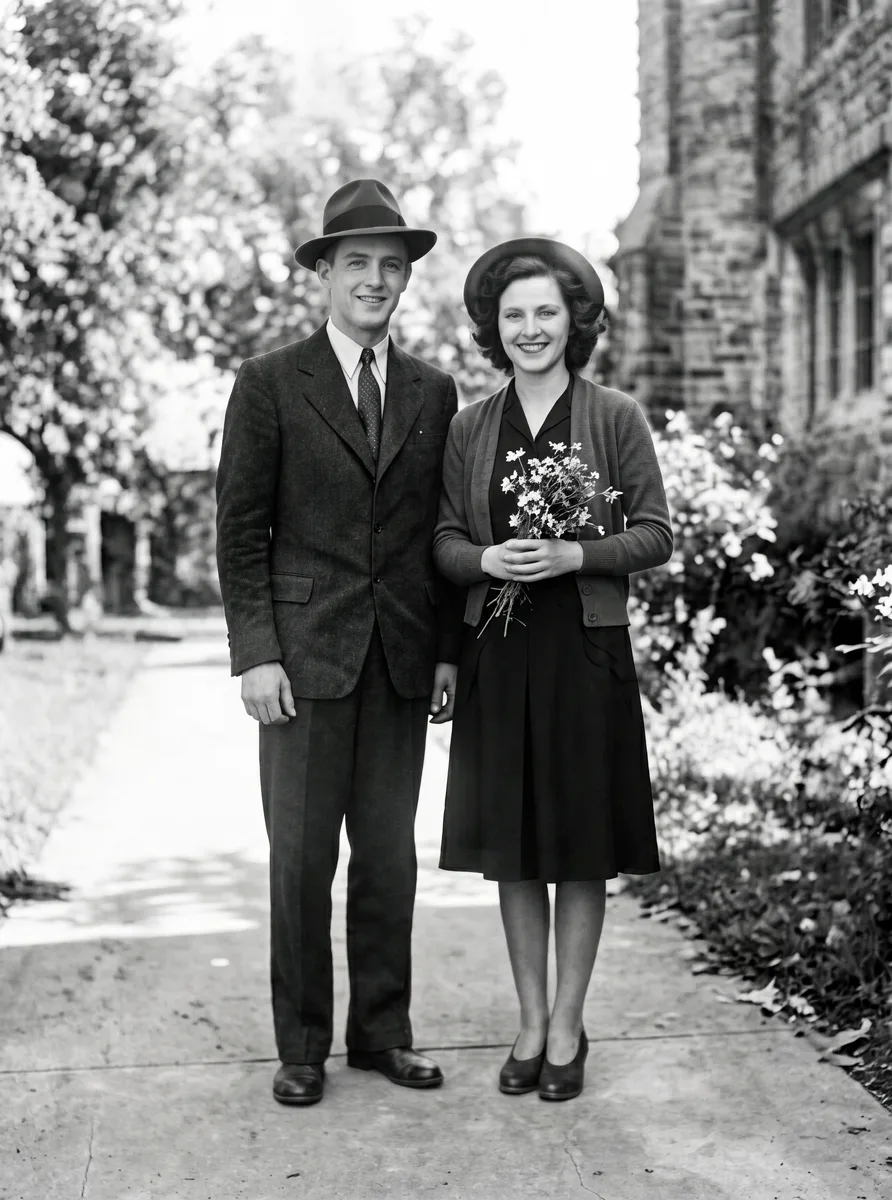
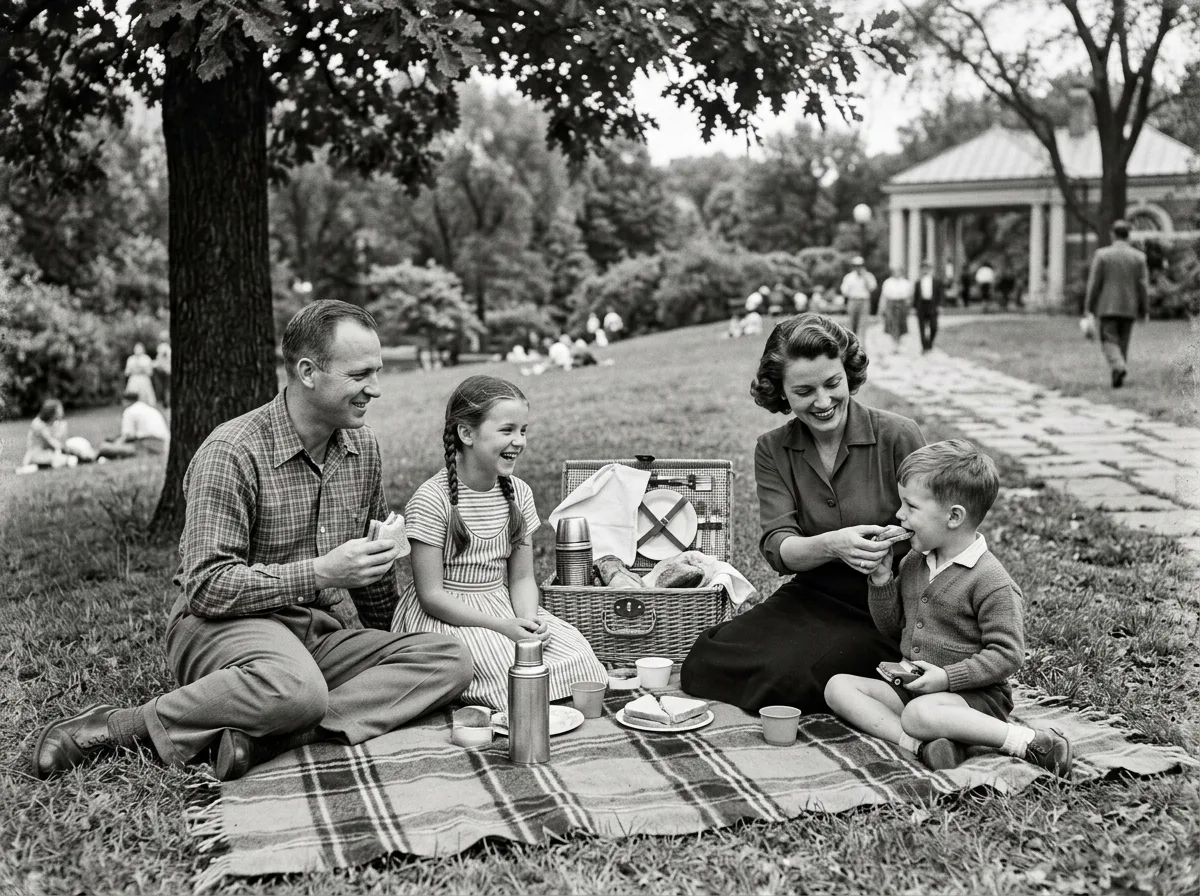
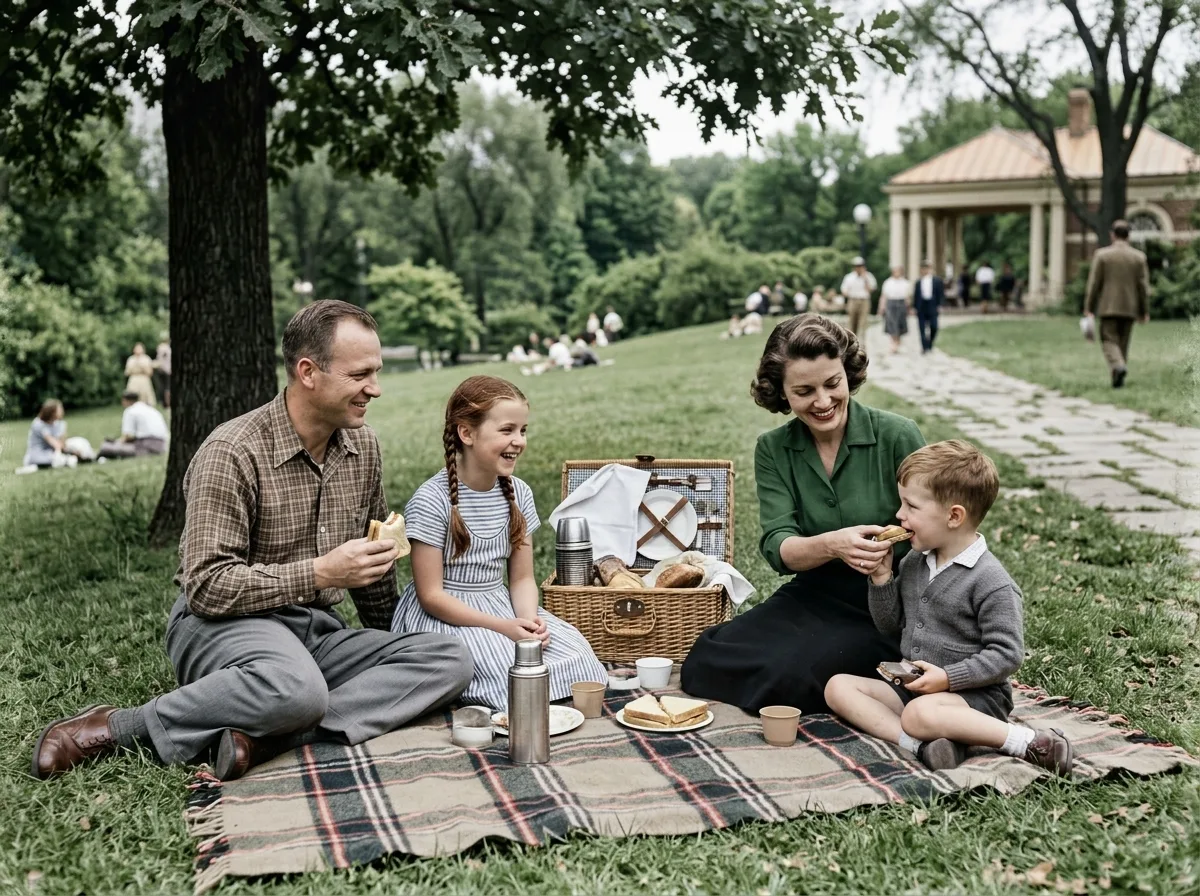
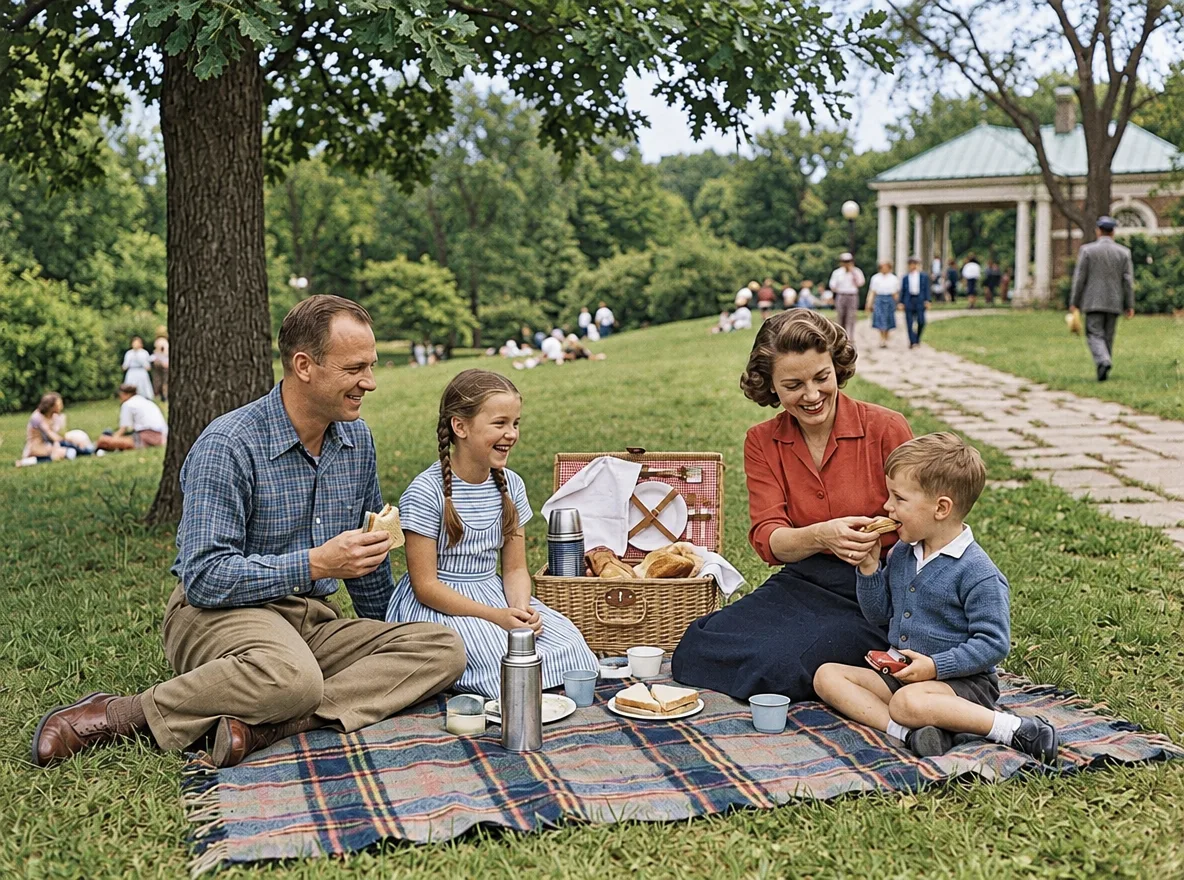
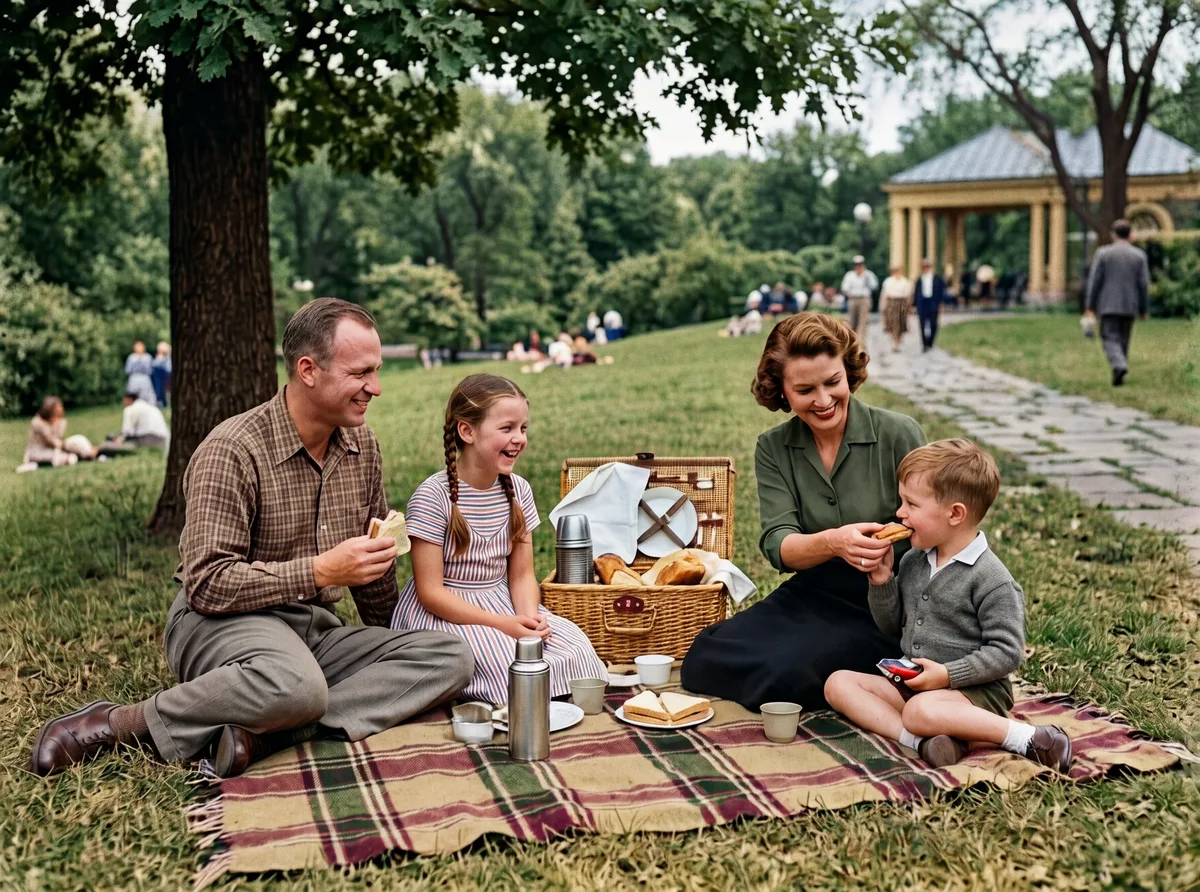
Sunny Picnic Blanket
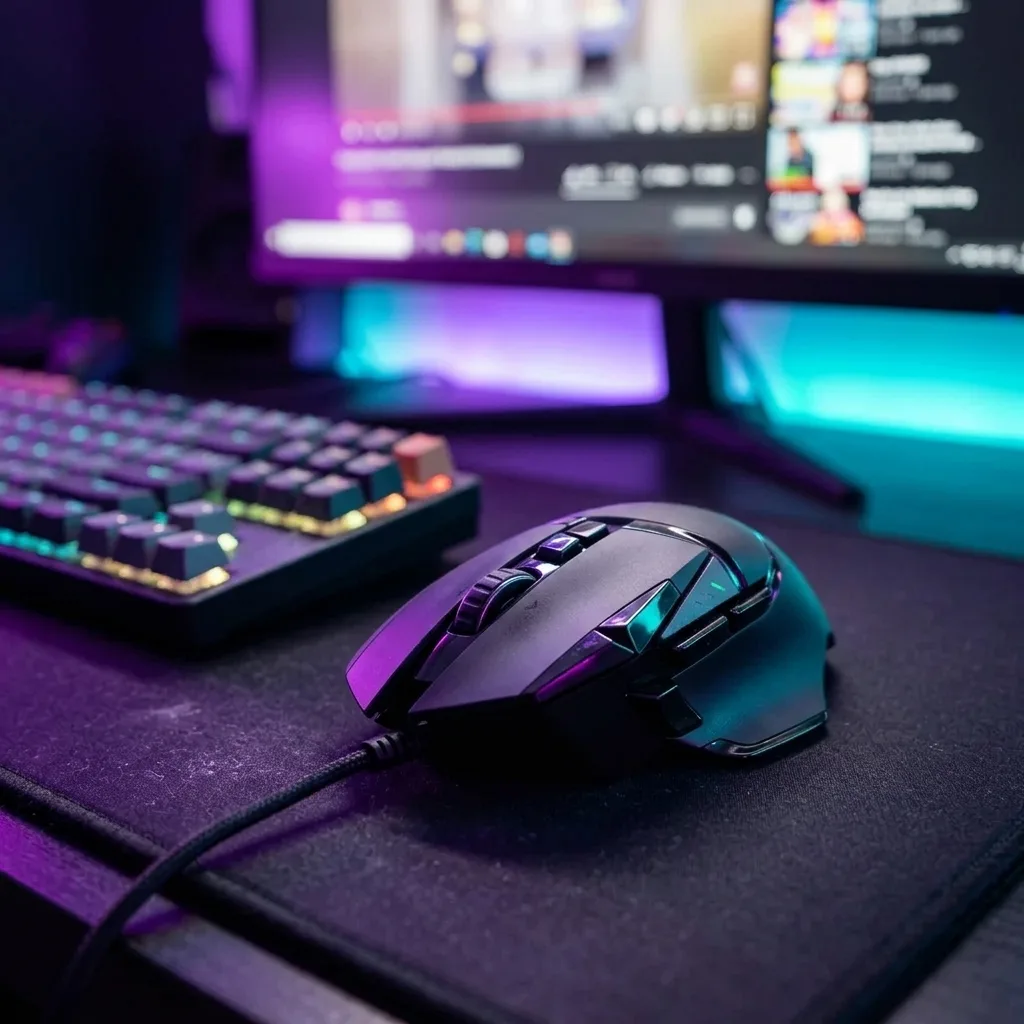
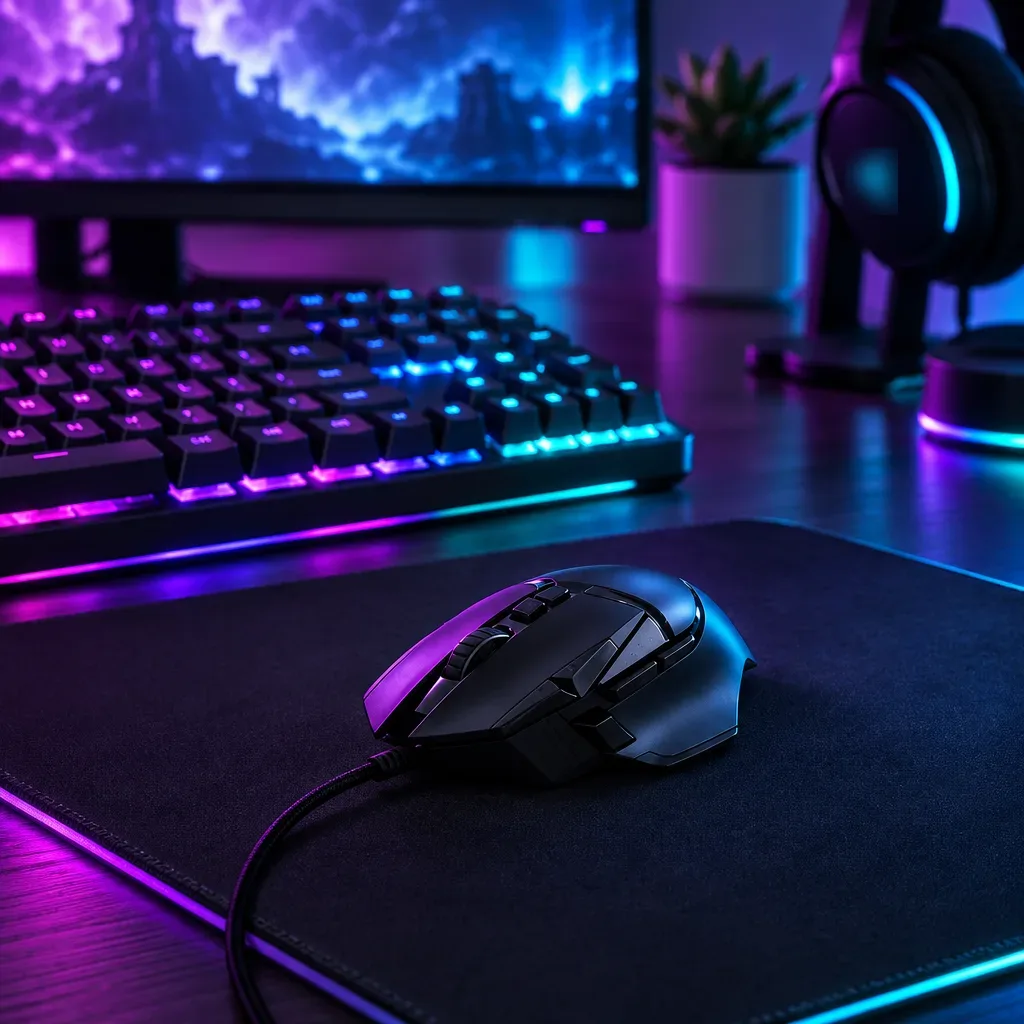
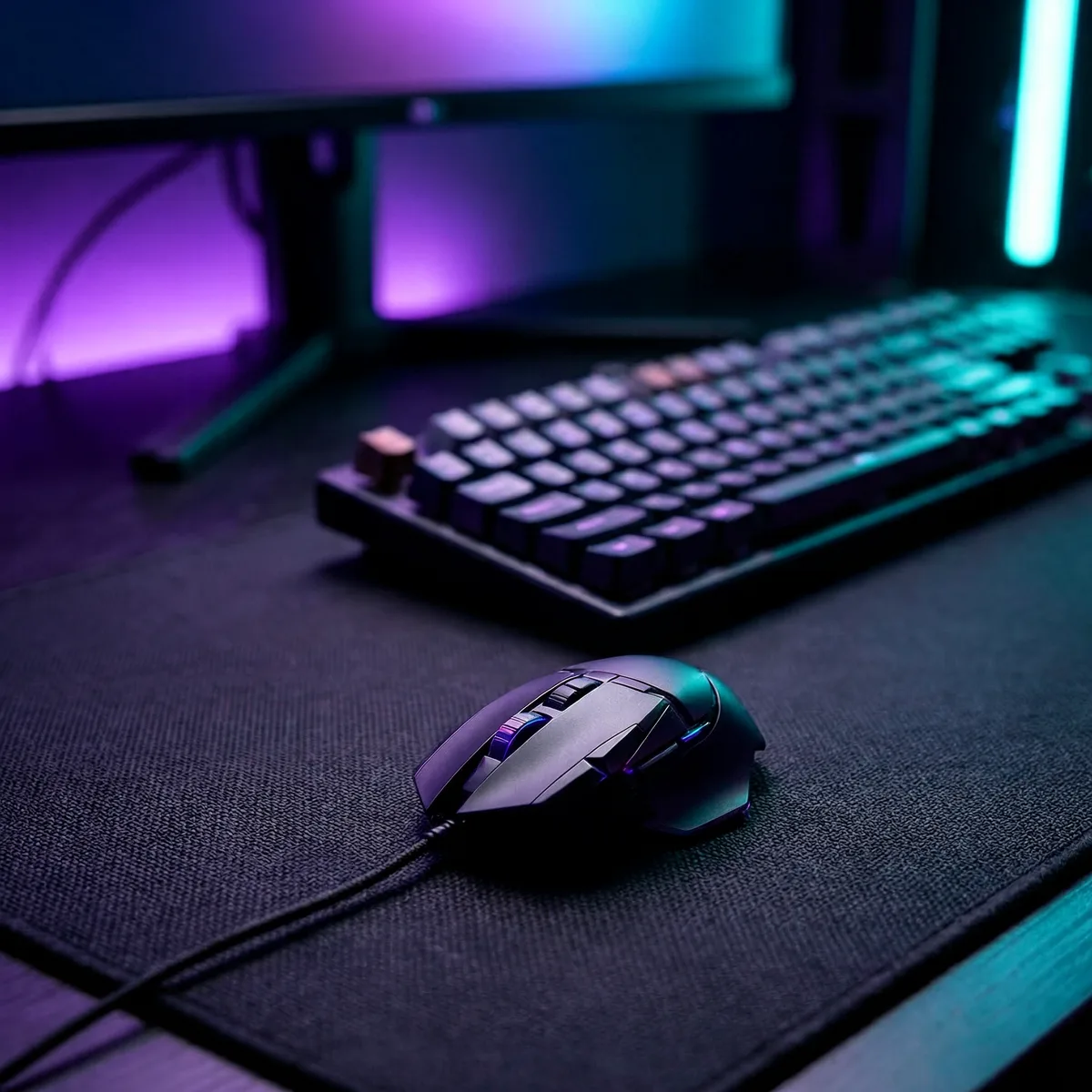
Neon Gaming Desk
Remove Glare on Shiny Surfaces
Erase Barcode and Price Sticker
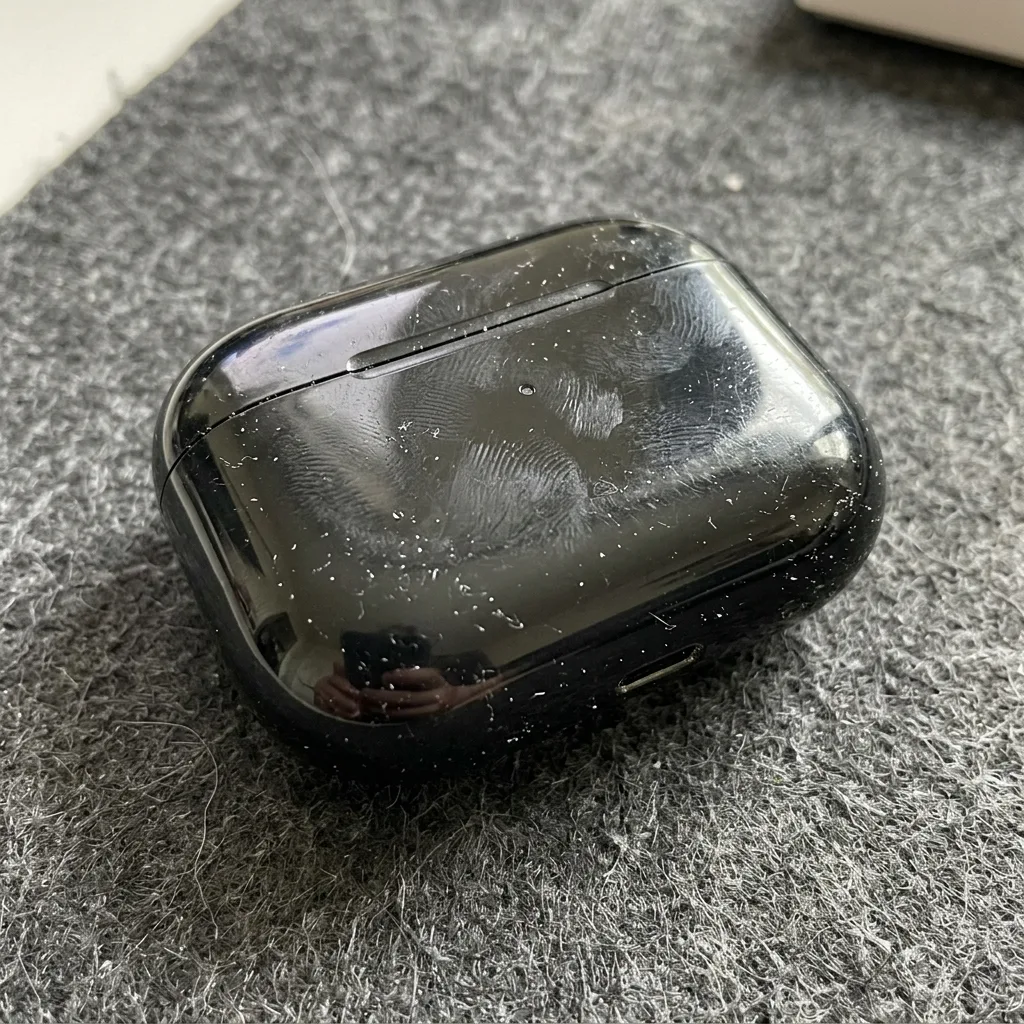
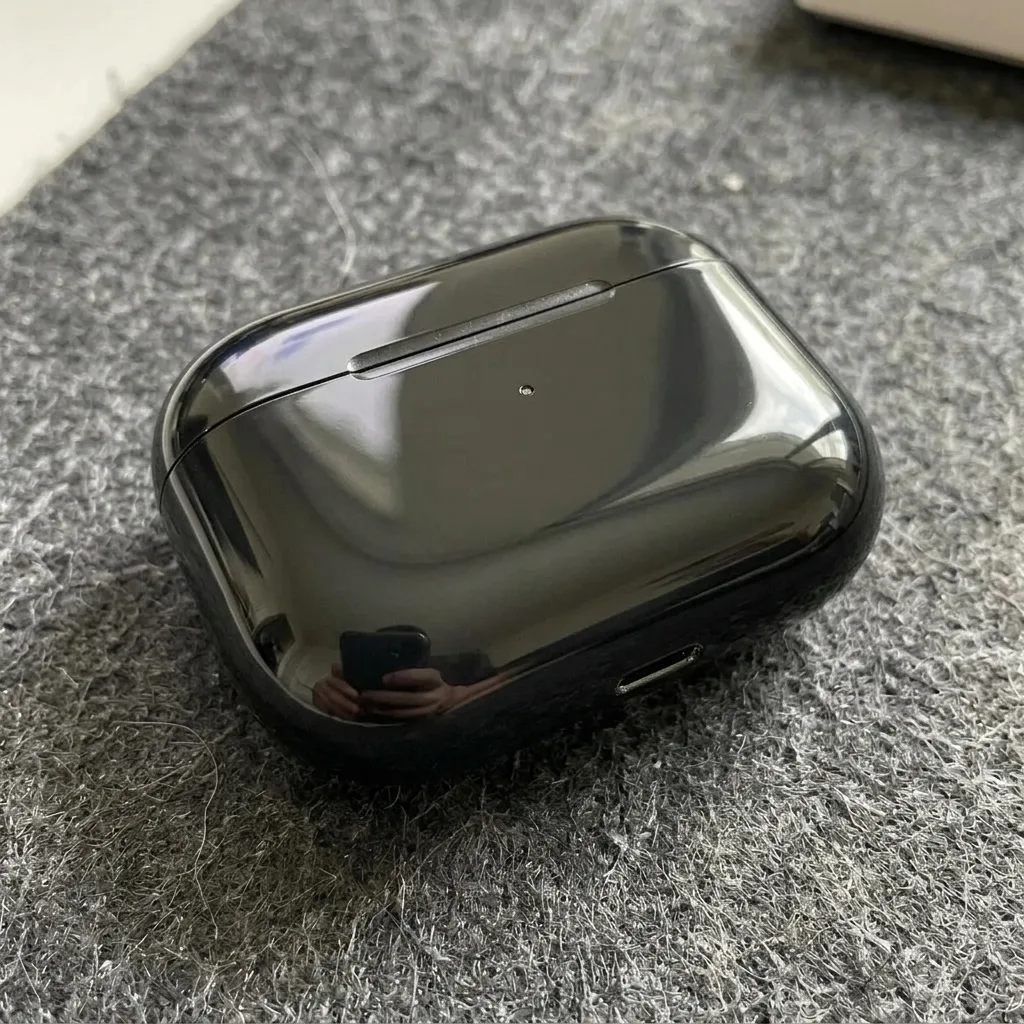
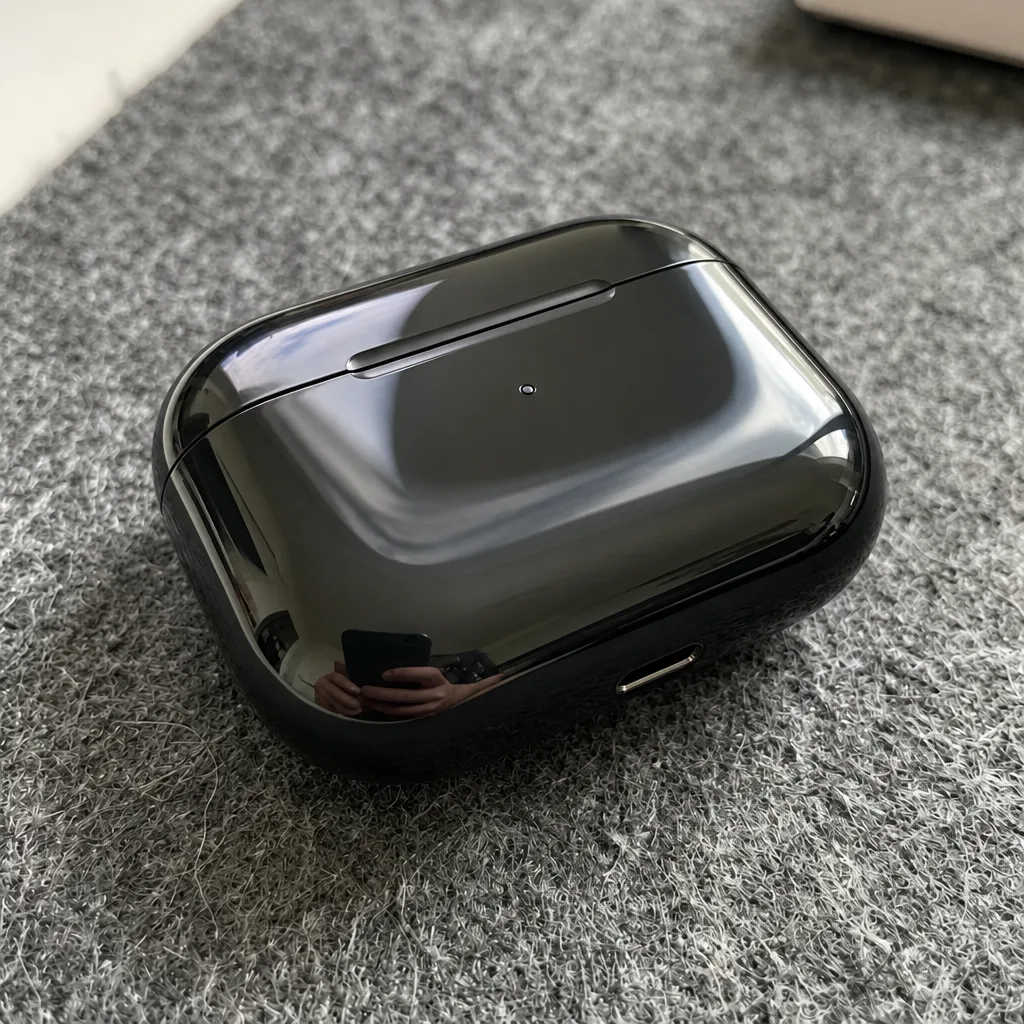
Remove Dust and Fingerprints
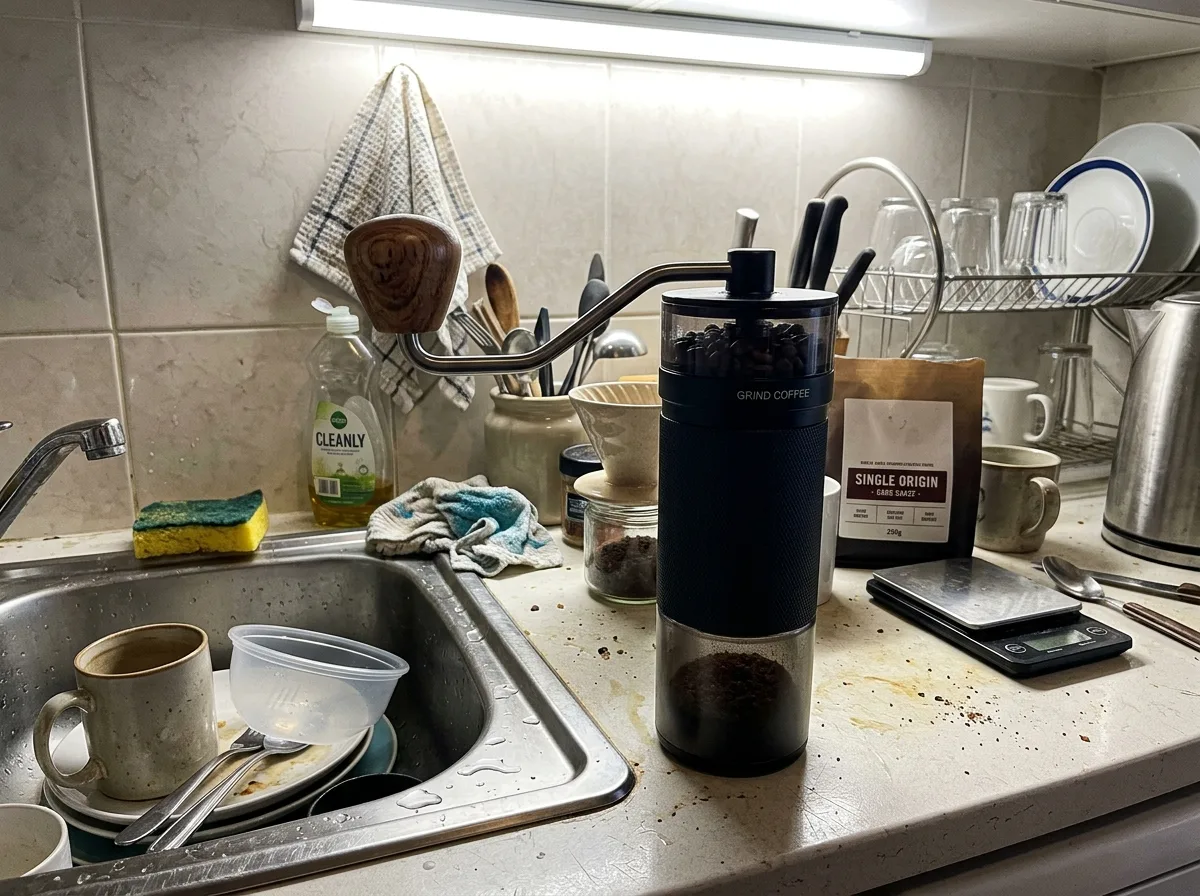
Place a Product into Your Scene
Bundle Two Products into One Shot
Match Your Existing Catalog Look
Ghost Mannequin to Street Model
Virtual Try-On
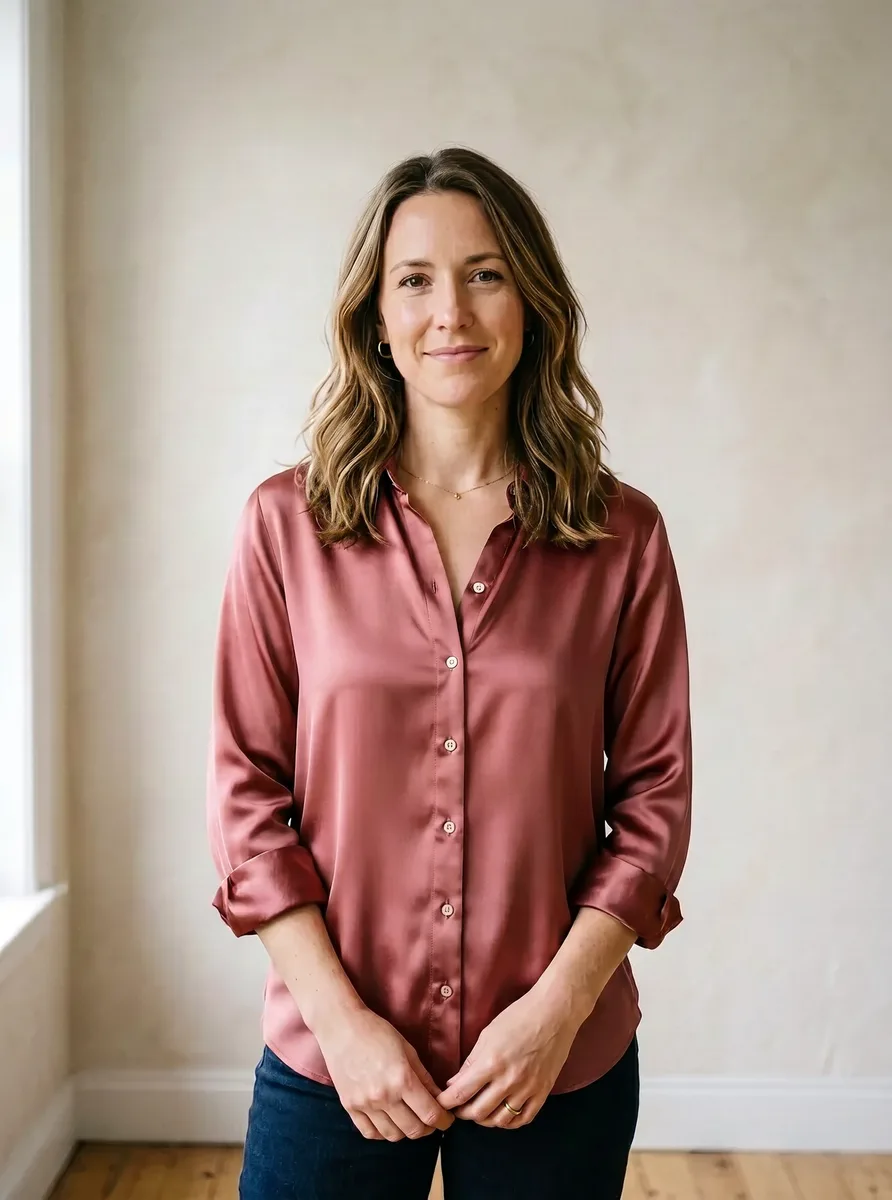
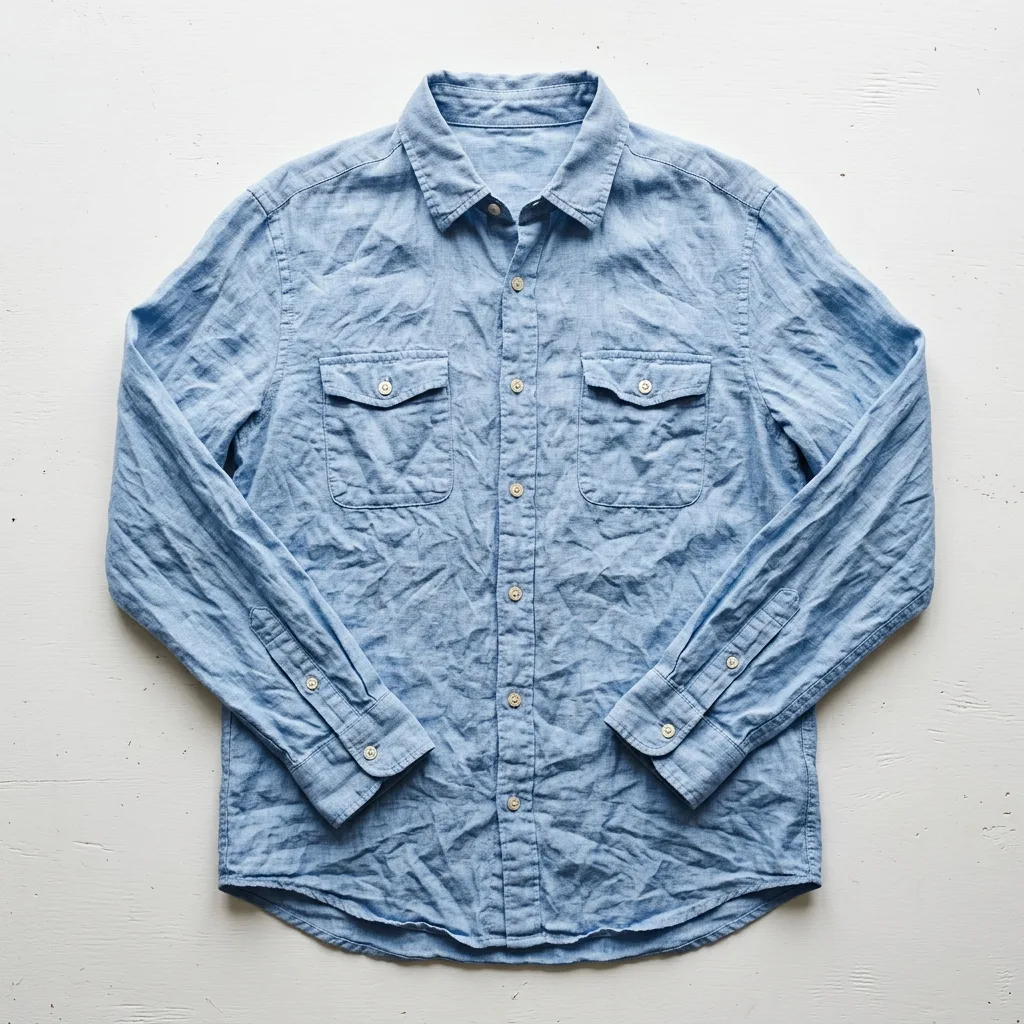
Upgrade Fabric to Silk
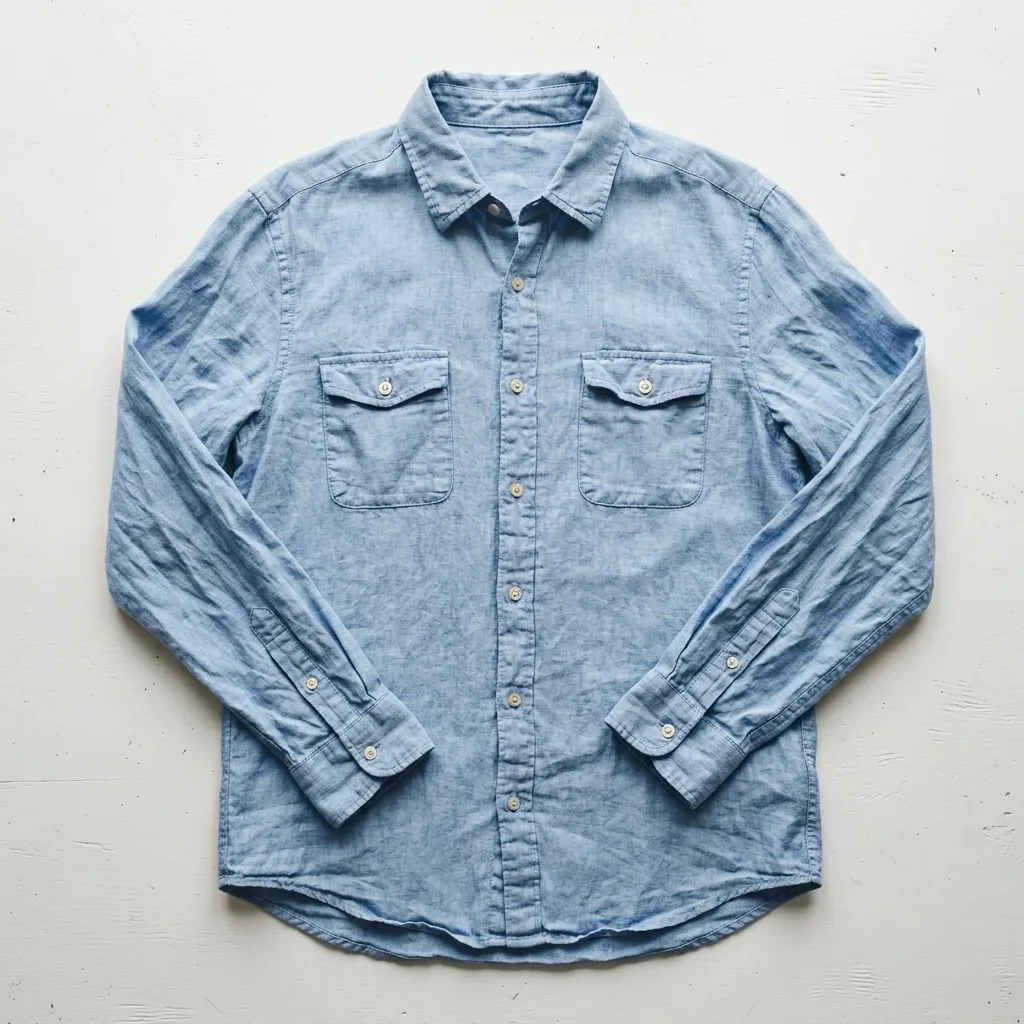
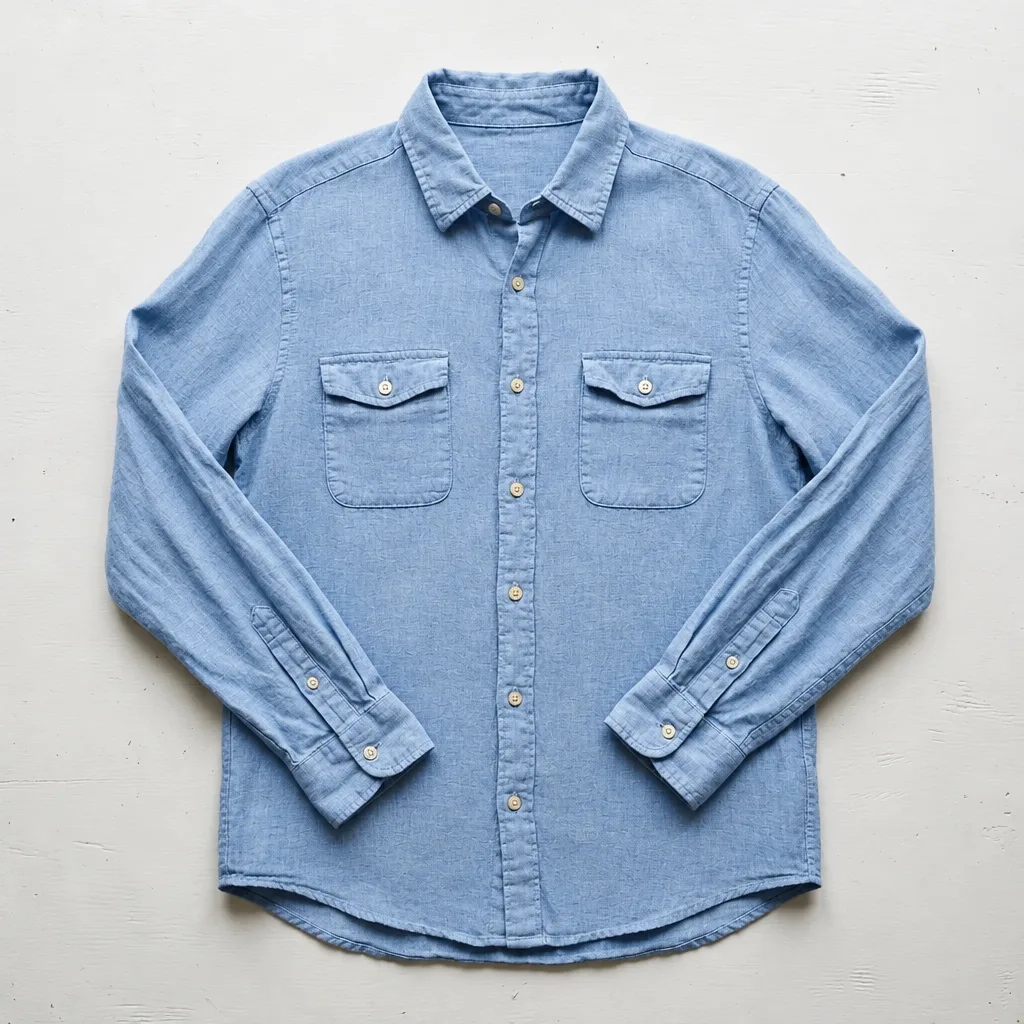
Smooth Out Fabric Wrinkles
Recolor a Garment
Clean Studio Backdrop for Model Shots
Change Hair to Platinum Blonde
Natural Skin Retouch
Casual Photo to Business Headshot
ID Photo with White Background
Remove People from the Background
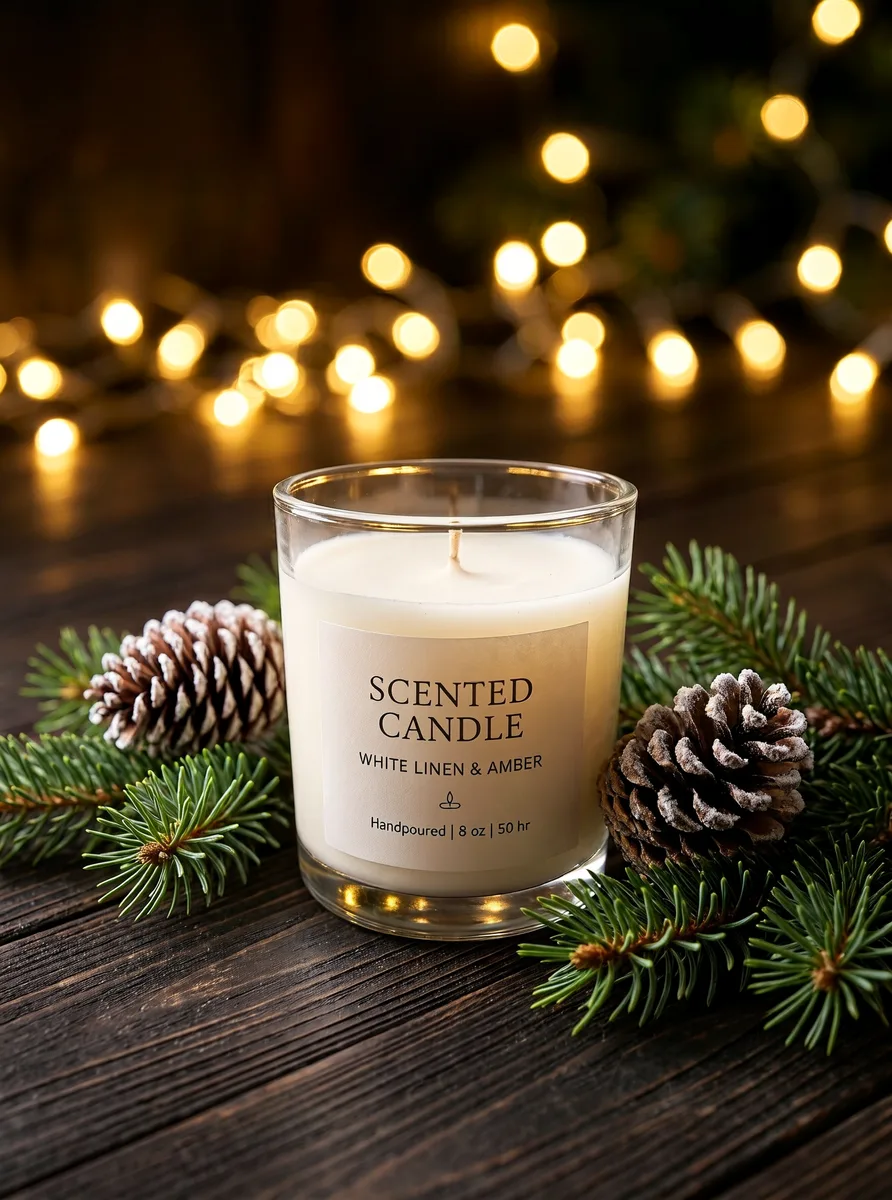
Christmas Pine and Warm Bokeh
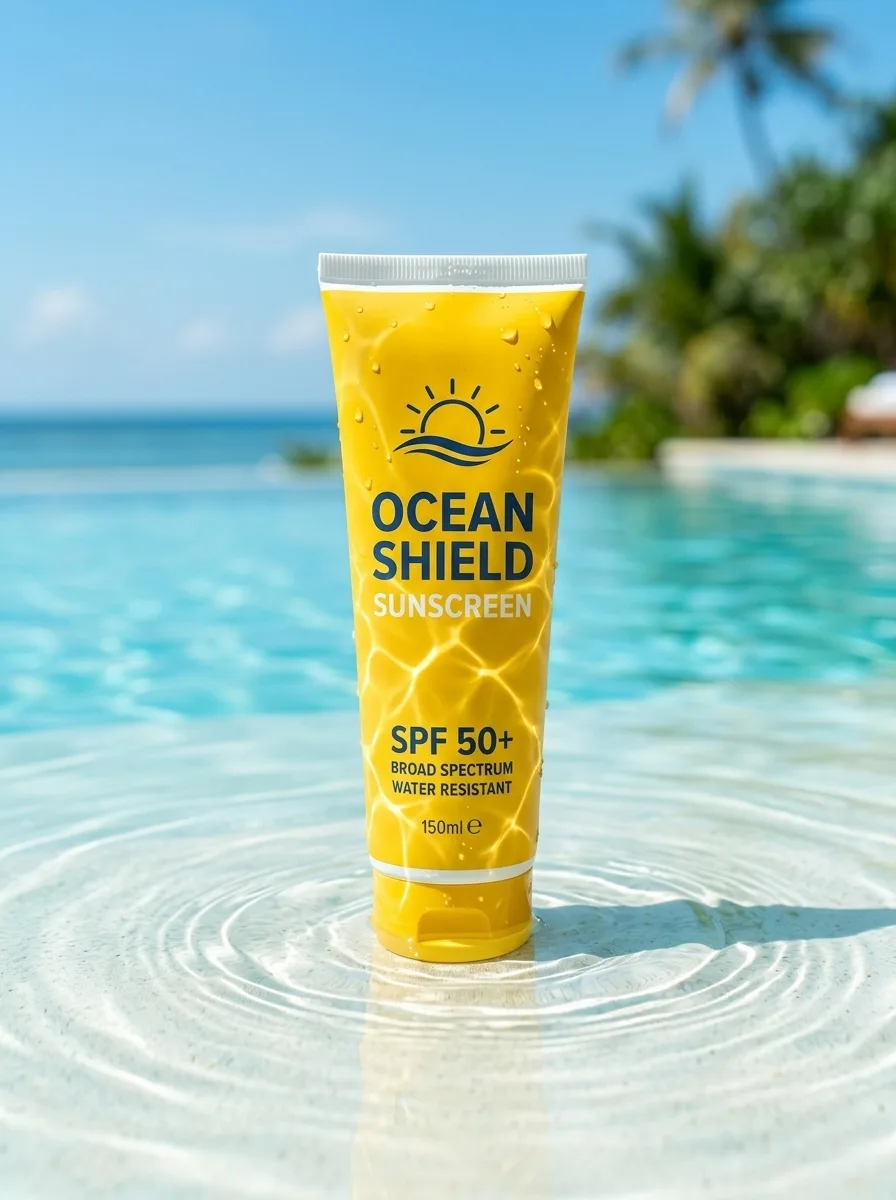
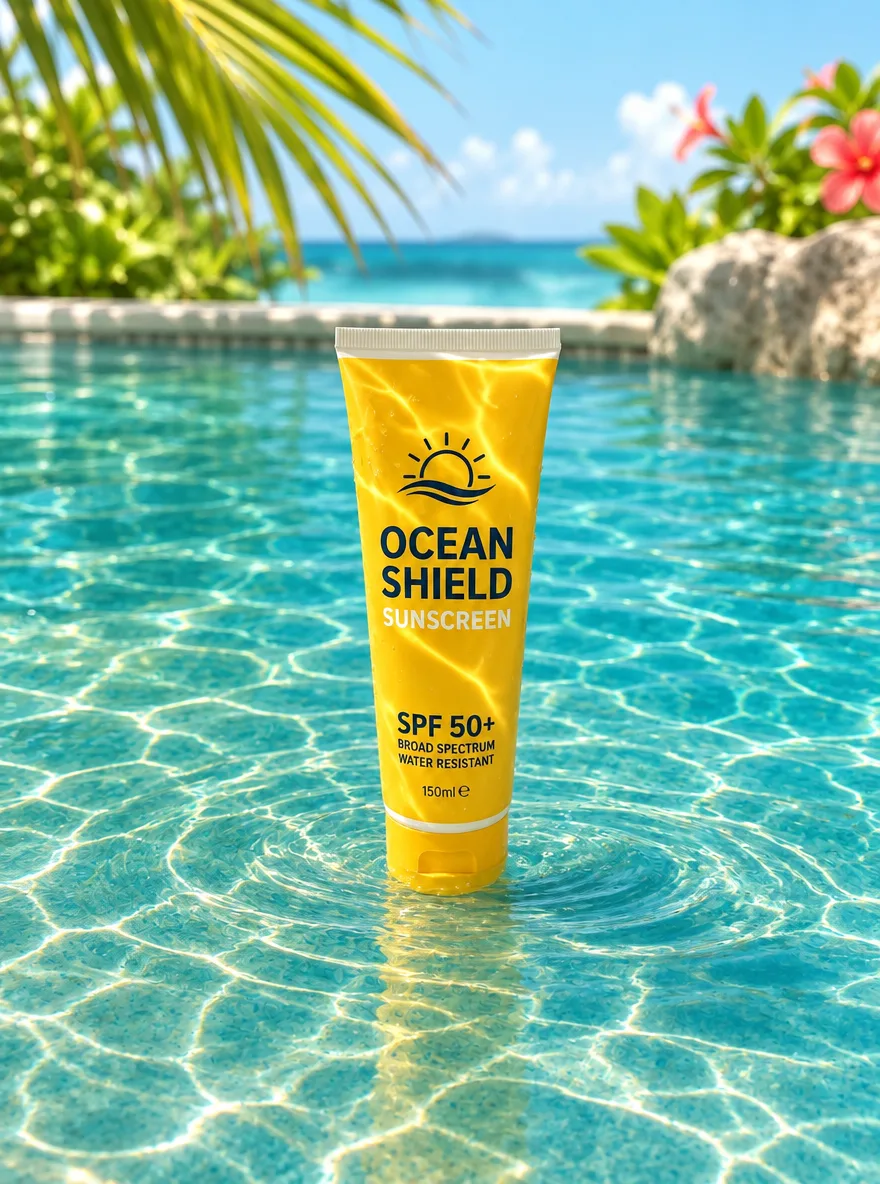
Summer Pool Water and Caustics
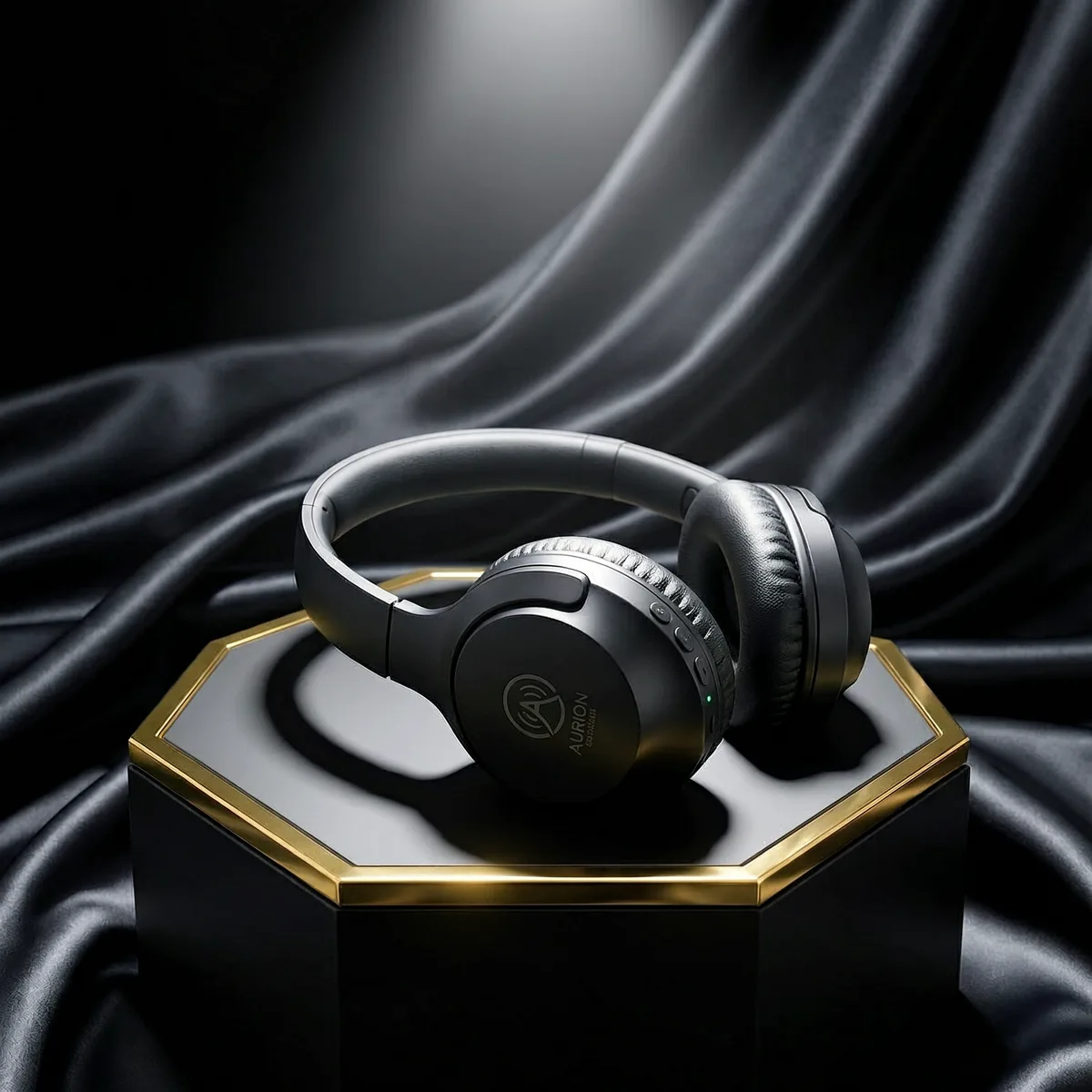
Black Friday Black-and-Gold Pedestal
Turn a Product Photo into a Sale Poster
Update the Discount on a Promo Graphic
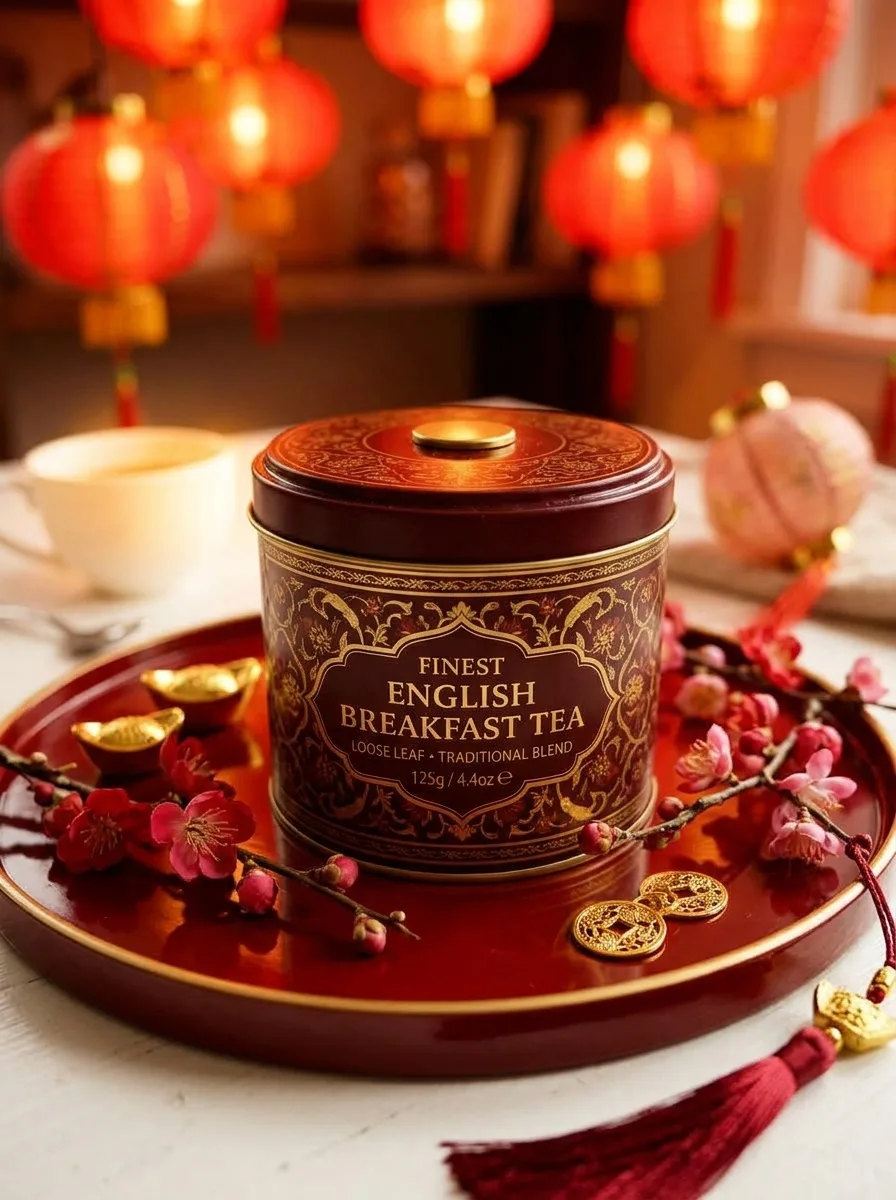
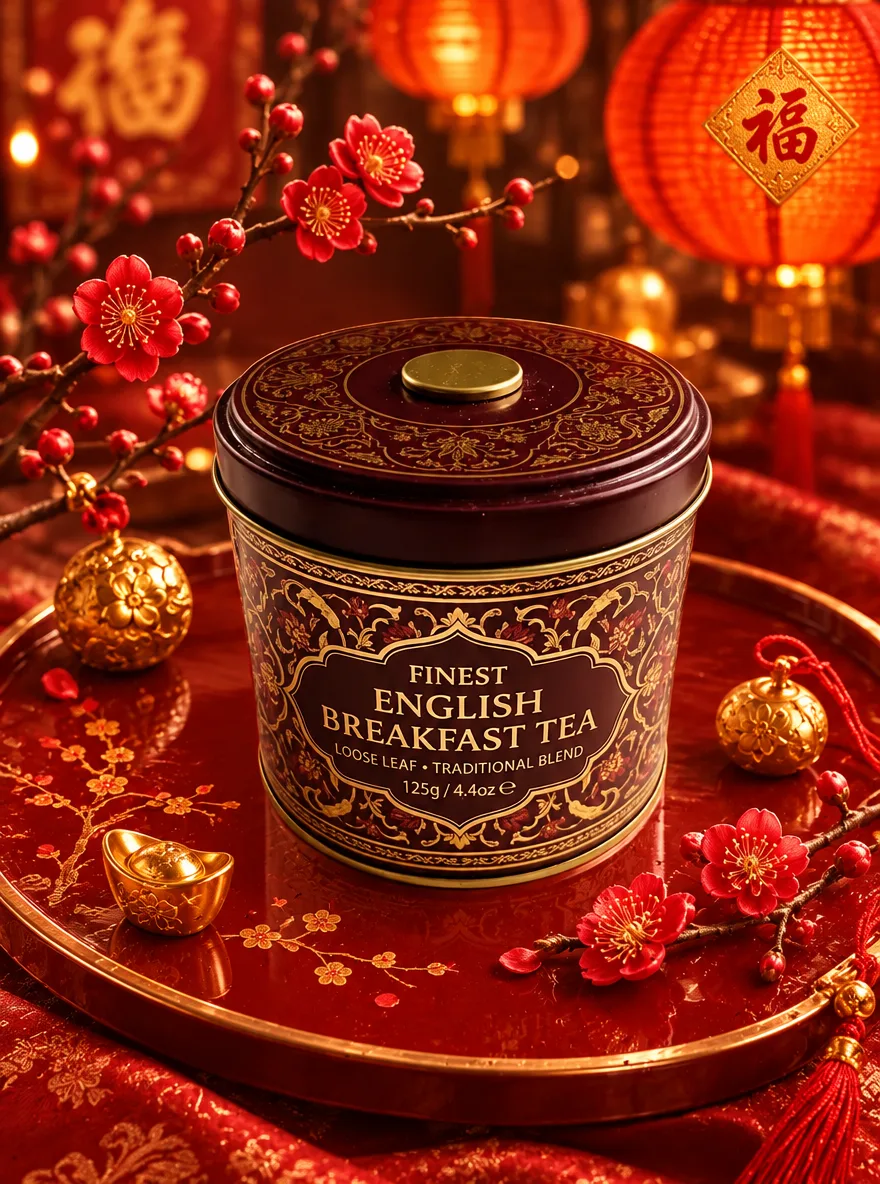
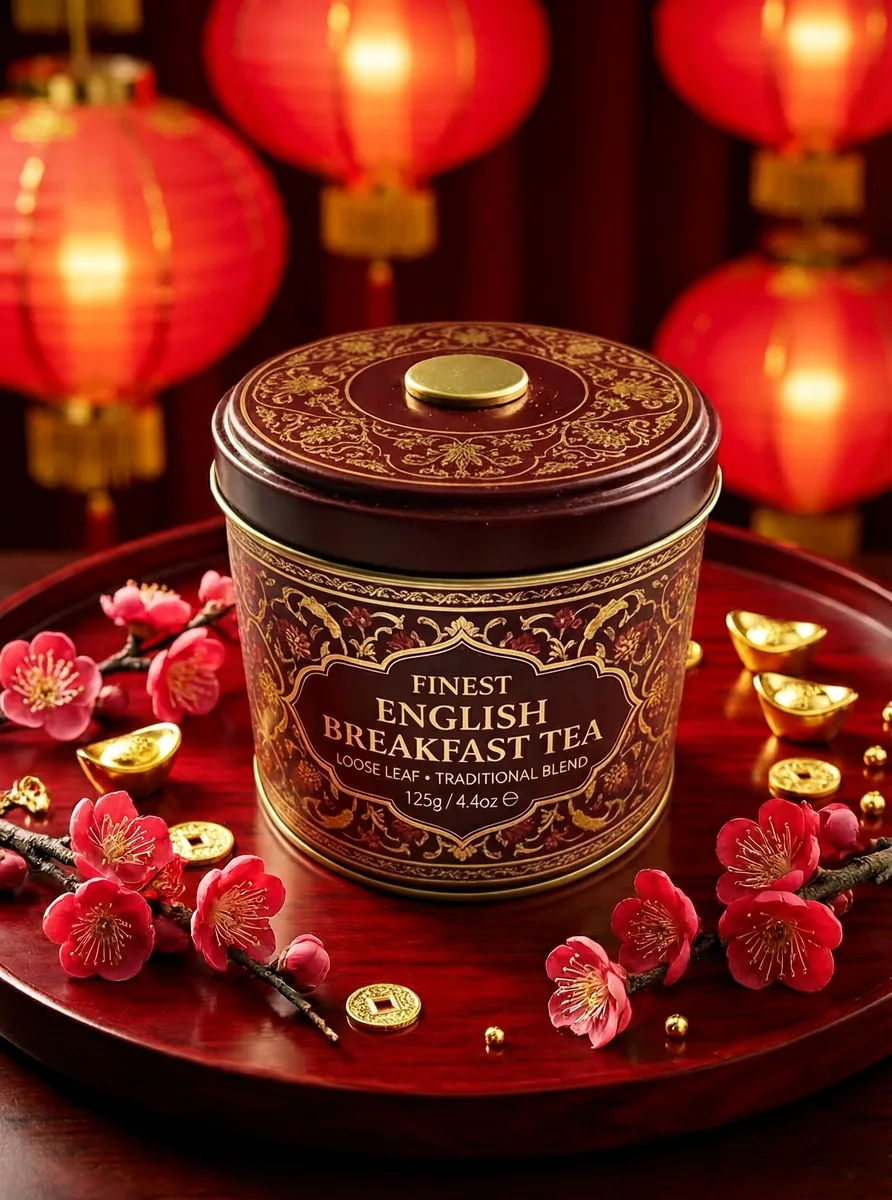
Lunar New Year Red and Gold
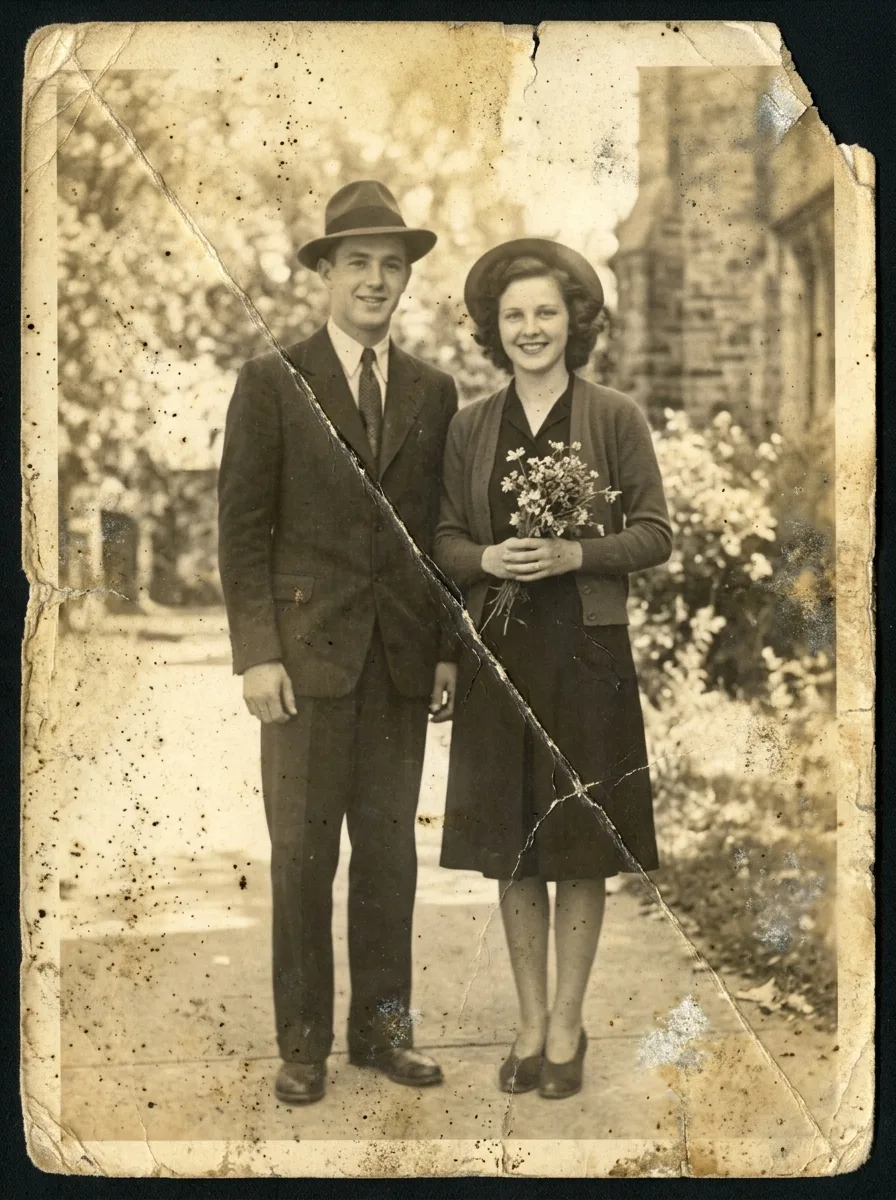
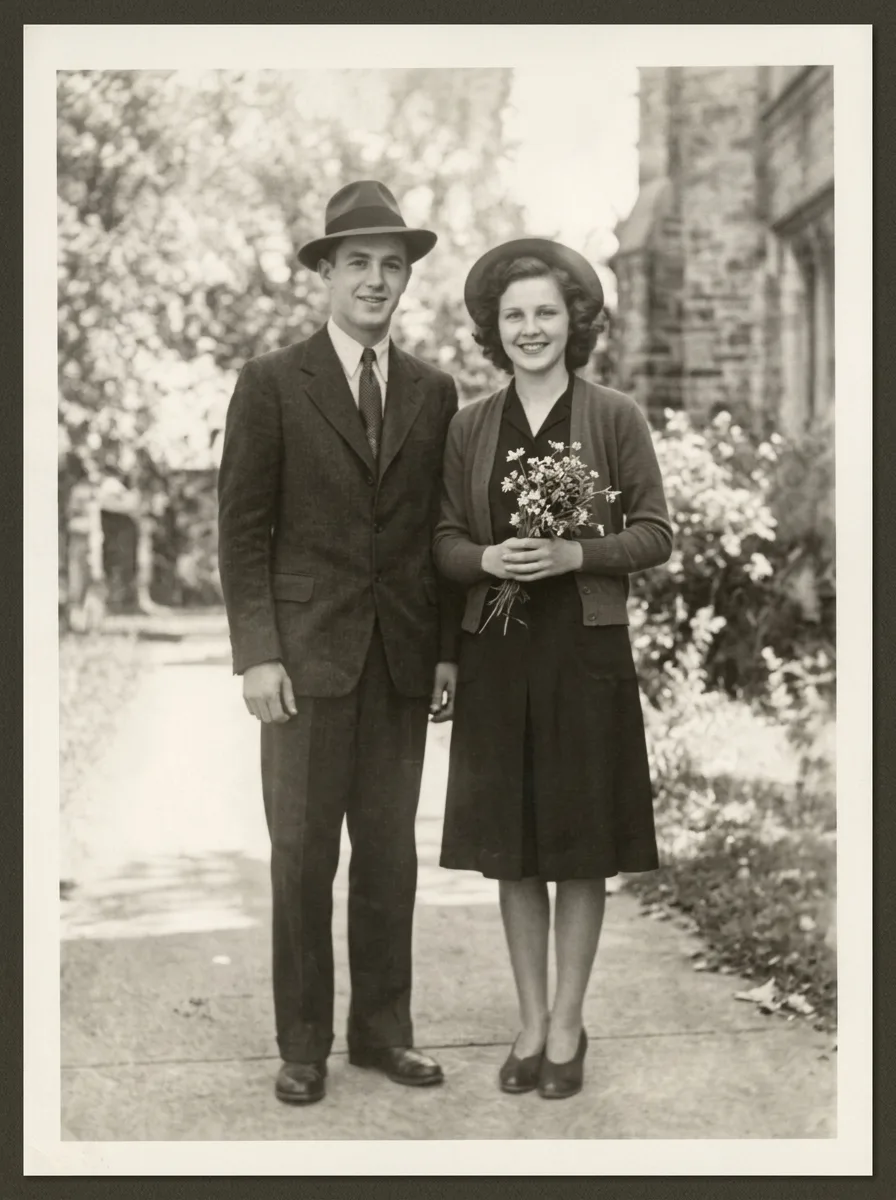
Restore a Faded Old Photo
Colorize a Black-and-White Photo
Fix Blur and Noise
Brighten an Underexposed Photo
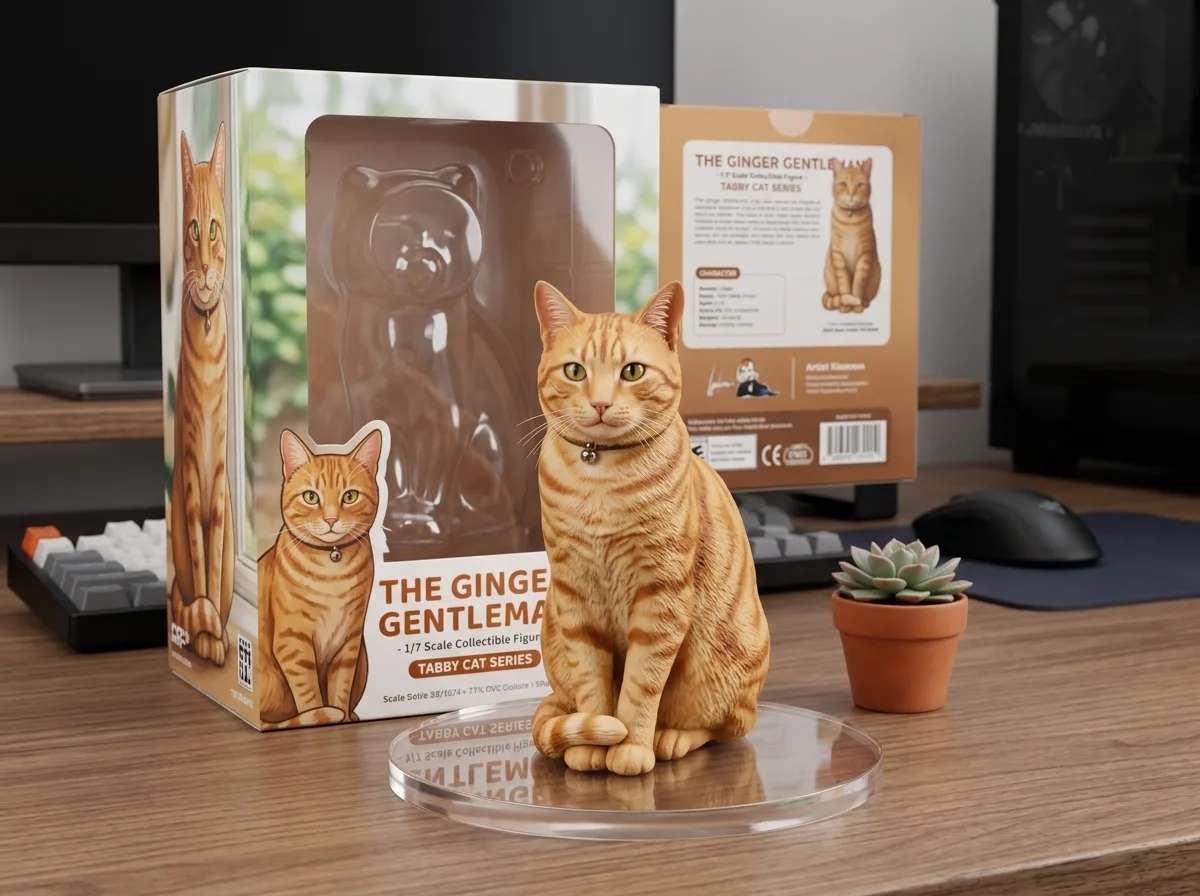
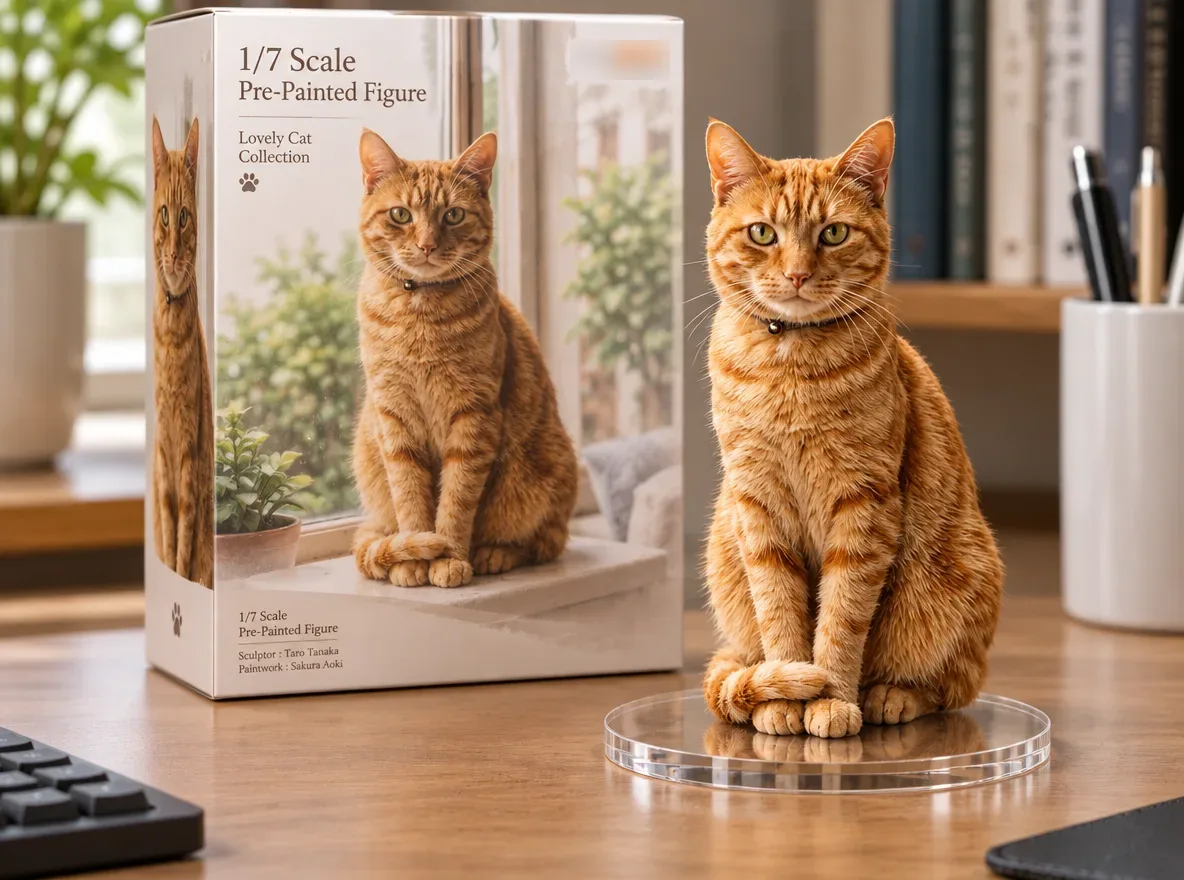
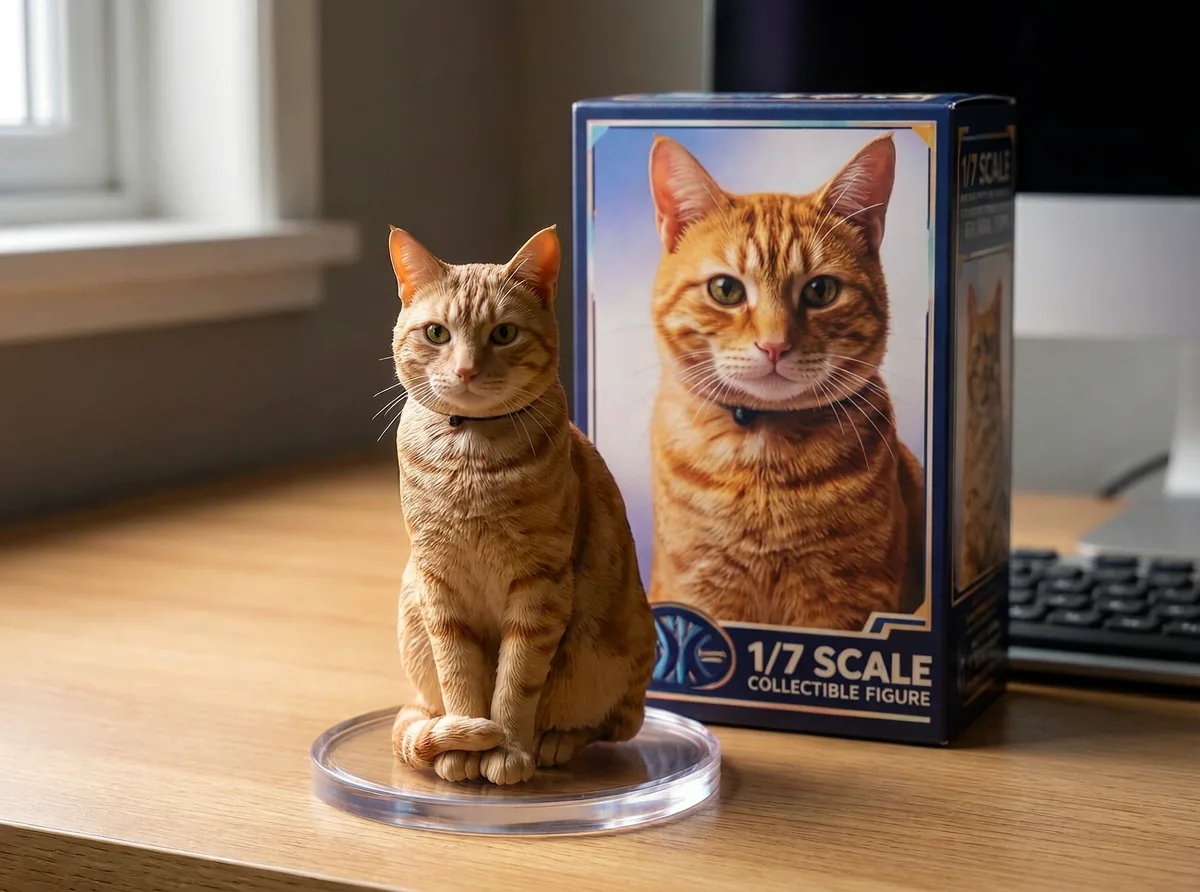
Turn Your Pet into a Collectible Figure
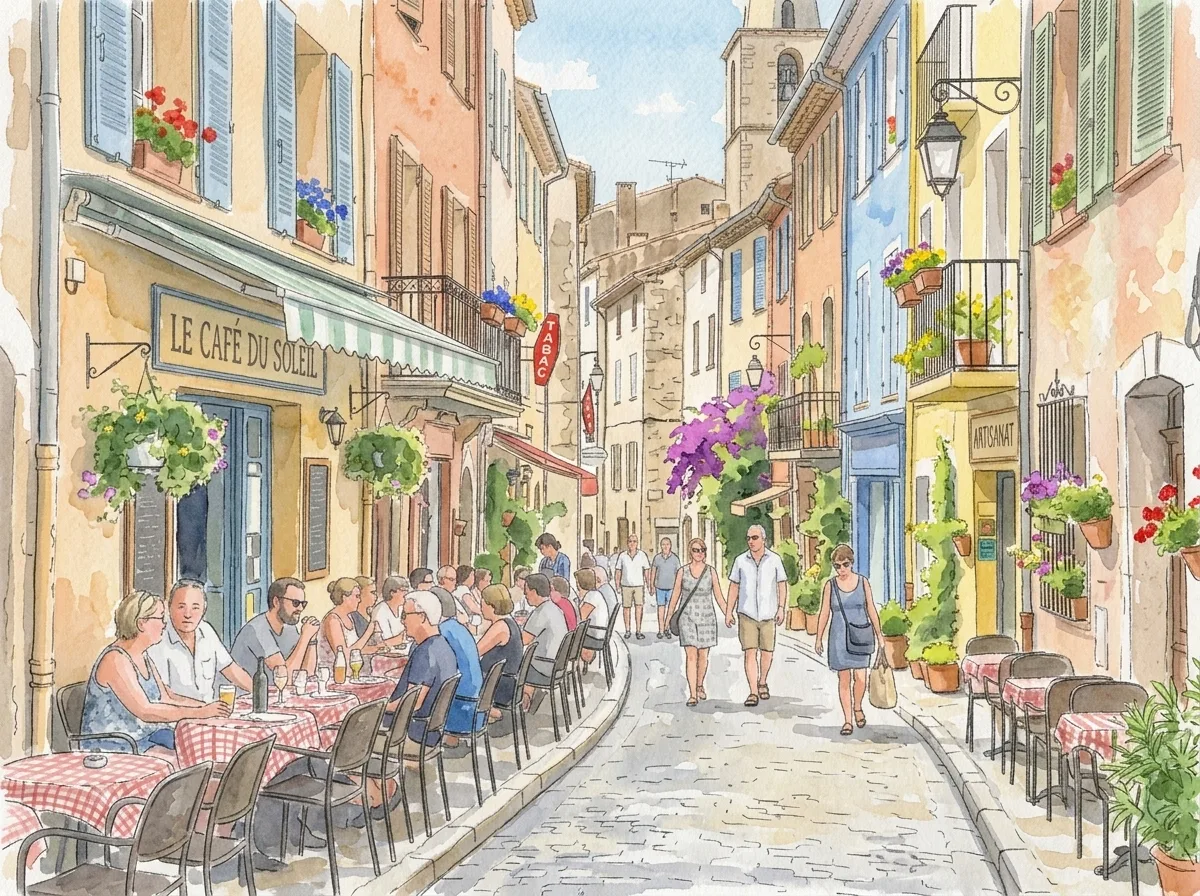
Photo to Watercolor Illustration
Photo to 3D Clay Character
Sketch to Product Render
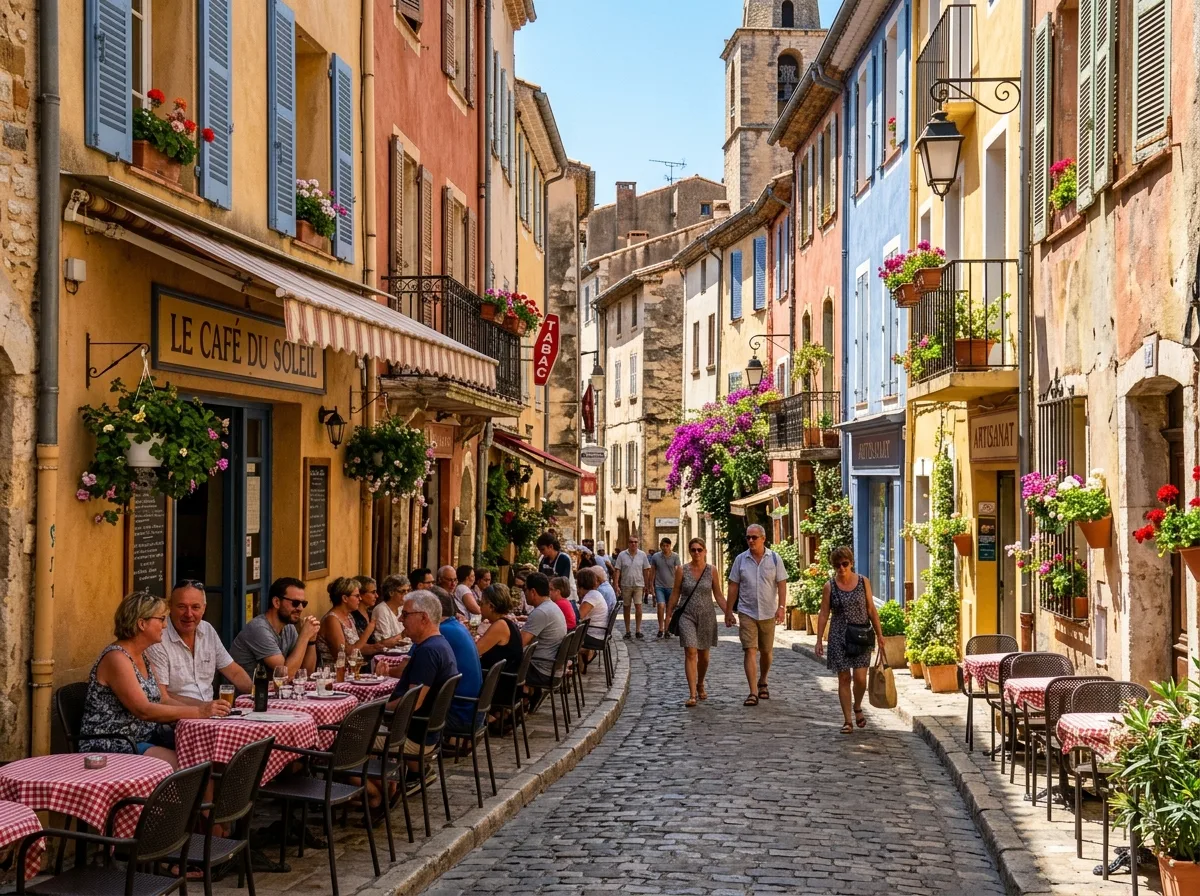
Borrow the Style of a Reference Image







Frequently asked questions
What is MiniMax H3-Image?
An open-weight image model from MiniMax, released on November 10, 2026. It makes images from text and edits photos with up to 16 reference images, and outputs up to about 20 megapixels. The weights are on Hugging Face under a community license; you can also use it through MiniMax's API, the Hailuo AI app and fal.ai.
Is MiniMax H3-Image better than Nano Banana 2.1?
Not overall in our 48 tests. Most results were close and H3-Image cost about half as much, but it changed faces in two portrait edits and miscolored a label, where Nano Banana 2.1 did not. For product scenes it is a cheaper option; for photos of people we would use Nano Banana 2.1.
How much does a MiniMax H3-Image edit cost?
On fal.ai, which bills MiniMax's token prices, our 2K edits cost $0.026 to $0.034 and our 4K edits $0.073 to $0.075 at list price. A 1K edit cost the same as a 2K one, about $0.026. The text side of the automatic prompt rewrite made up 28% to 35% of the cost of a 2K edit. MiniMax ran a 50% launch discount on 4K images until November 17, 2026, which we did not include.
Is it really that fast?
Not in our runs. MiniMax says 4K images take under 10 seconds but doesn't name the hardware. Through fal.ai, 2K edits took 19 to 40 seconds (median 24) and 4K edits 29 to 39 seconds, of which fal counted a median of 23 seconds for generation.
Can I turn off the prompt rewriting?
Not for edits: MiniMax's documentation says image edits always use prompt enhancement. The rewritten prompt comes back with the result (as actual_prompt on fal.ai, revised_prompt on MiniMax's API), so read it when a result looks off. In our test it explained a label printed in the wrong color.
Can I use MiniMax H3-Image commercially?
Through MiniMax's API or fal.ai, the provider's terms apply. If you run the open weights yourself, the community license excludes the EU, the UK, South Korea and the US, and needs written permission above $1 million in annual revenue or to offer it as a service.
Can I use MiniMax H3-Image on YepShot?
No. YepShot's editor runs Nano Banana 2.1, GPT Image 2.6 and GPT Image 2.5; we ran H3-Image through fal.ai for this test only.